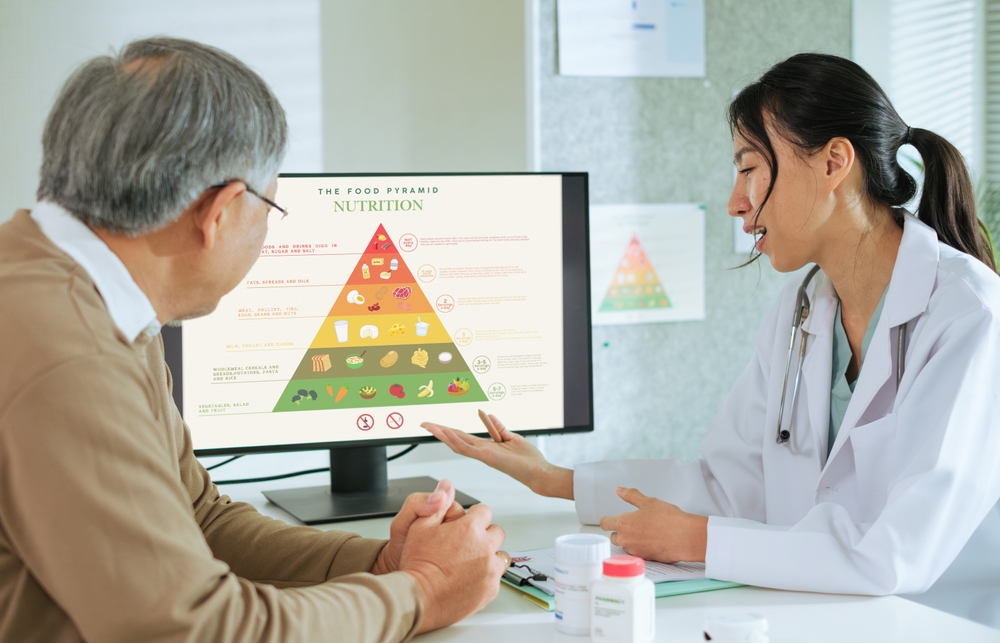
Proper hydration and a balanced breakfast can prevent fainting during vaccination, and antioxidant-rich foods support the immune response after receiving the serum. Several experts have detailed which foods and drinks help you get through the minor side effects of the flu shot.
Annual influenza vaccination is the most effective method of preventing influenza and its associated complications. All international health organizations recommend immunization every fall. However, many people still fear the potential side effects of the serum or are simply anxious about needles.
Why do flu vaccine side effects occur?
Common flu vaccine side effects, such as mild fever, headache, muscle aches, and nausea, are actually signs that the vaccine is working. These reactions are anticipated as the immune system learns to recognize and fight the flu virus, and this process can cause mild and transient inflammatory responses.
For some people, fear of needles or stress about the procedure can trigger fainting during vaccination. Patricia A. Stinchfield, a pediatric nurse specialist in the US, claims that a snack and a glass of water before vaccination reduces the risk of these anxiety-related episodes.
Here are some other strategies to help your body respond better to vaccination.
Hydration, extremely important
For those who fear dizziness or possible lightheadedness during vaccination, proper hydration and a light snack before the procedure can be helpful. Michelle Routhenstein, a nutritionist specializing in preventive cardiology at EntirelyNourished in the US, pointed out that these simple measures stabilize blood circulation and energy levels.
“To prevent dizziness and discomfort, stay well hydrated and eat a light, balanced snack before your flu shot. Water or herbal tea maintains blood volume and reduces the risk of fainting,” said Michelle Routhenstein.
The idea is also supported by the genetic engineer Şebnem Ünlüişler, head of the longevity research department at the London Regenerative Institute in the UK, who points out that dehydration, even in mild forms, can intensify dizziness. An electrolyte drink may be a useful option.
Family doctor Jonathan Yadlosky from the US recommends increasing fluid intake by about half a liter a day starting a few days before the vaccine. Such an adjustment, together with a balanced menu, prepares the body for a more comfortable vaccination experience and reduces discomfort immediately after administration.
The snack before the vaccine
Specialists also insist on the importance of stabilizing blood sugar before vaccination, especially for those prone to dizziness or anxiety.
“A snack that combines protein and complex carbohydrates, such as a banana with peanut butter, keeps blood sugar steady and reduces the risk of weakness or dizziness during and after the vaccine,” detailed nutritionist Michelle Routhenstein.
Şebnem Ünlüişler recommends options such as yogurt with oats or wholemeal bread with a protein source. “From my perspective, the way we eat can influence how the body tolerates vaccination. We don't change the effectiveness of the serum, but choosing the right foods can make common reactions more manageable,” added the geneticist.
Nurse Patricia Stinchfield recommends bringing a snack and a bottle of water to your vaccine appointment to consume right before if you feel it helps.
Anti-inflammatory foods prime the immune system
According to American nutritionist Lauren Manaker, eating foods with anti-inflammatory properties a few days before the vaccination can help the body more easily manage the fatigue or headaches that sometimes occur after the vaccine. A study published in 2022, which analyzed the link between the inflammatory profile of the diet and the frequency or intensity of migraines, confirms this theory.
So, the meals in the days before vaccination can be built simply, using as many natural colors as possible on the plate. A variety of fruits and vegetables contain a concentrated combination of fiber, vitamins and antioxidants, useful elements for regulating inflammation and supporting the immune response. In addition, they have a high water content, helping to maintain hydration, which is important both before and after the vaccine is administered.
What to eat after the flu shot
After the vaccine is administered, the body begins to process the antigens and produce antibodies.
“After influenza vaccination, the immune system initiates an inflammatory response to process the vaccine antigens, followed by the formation of antibodies by B cells to provide protection against the virus. This process involves oxidative stress and inflammation as part of immune activation and the development of memory cells, which are essential for effective immunity, but can temporarily cause an imbalance in the body,” added nutrition specialist Elena Rolt.
Certain categories of nutrients can help the body during this period. Proteins support the production of antibodies and the functioning of immune cells, beta-glucans and fibers participate in the regulation of immune responses, probiotics contribute to the balance of microbiota that influence systemic immunity, and vitamin C limits oxidative damage and supports the activity of cells involved in defense.
The ideal post-vaccine meal
To support the immune processes triggered after vaccination, Elena Rolt proposes a meal that brings some of the previously mentioned nutrients in one plate. The nutrition specialist recommends a chicken soup with easily digestible proteins, supplemented with garlic, onions, carrots or broccoli and mushrooms, a natural source of beta-glucans. To these can be added berry-based drinks, such as cranberry or sea buckthorn tea with manuka honey, which provide vitamin C and polyphenols, compounds that can moderate inflammation and oxidative stress.
“This combination helps support the recovery of the immune system, reduces potential side effects and optimizes the body's response to the flu vaccine,” noted Elena Rolt.
The nutritionist rounds out the list with a few other helpful options, such as turmeric and fatty fish rich in omega-3s, with anti-inflammatory properties without a negative effect on the adaptive response. “A diet with enough protein, such as lean meat, legumes or tofu, also provides the amino acids needed for antibody production,” the specialist said.
Hydration after the vaccine
Hydration is also important after vaccination, not just before. Elena Rolt pointed out that an adequate fluid intake maintains blood circulation at a level that allows the efficient transport of nutrients and immune cells involved in the formation of antibodies.
“Hydration can also reduce the severity of side effects such as headache, fatigue and muscle pain, while helping the body to regulate its temperature. The goal is to maintain a stable internal environment, in which the immune system can work efficiently. Hydration, balanced nutrition and the intake of anti-inflammatory compounds make the vaccination experience easier to tolerate and provide the body with the necessary resources to achieve a protective response,” emphasized Elena Rolt.
Useful foods in case of nausea
Nausea is a rare side effect and, when it occurs after the flu shot, is usually short-lived. Discomfort may occur as a result of immune activation or a slight increase in temperature. Patricia A. Stinchfield, recommends having some bland foods on hand so that the stomach is not overworked in the first hours after the onset of the symptom.
Some people tolerate low-fat foods better during this time. That's why options like mashed potatoes, a thin slice of toast, or a few slices of baked apple can be good options until the nausea subsides. If associated mild dizziness occurs, it is recommended to maintain hydration and avoid exertion for several hours, until the general condition stabilizes.
Probiotics and prebiotics for intestinal flora
Although research is ongoing, Lauren Manaker notes that a diet that supports the gut microbiota could influence the effectiveness of the flu vaccine to some extent.
Constant consumption of fruits, vegetables, whole grains, yogurt, kefir and fermented foods such as kimchi, sauerkraut or kombucha, which encourage the development of beneficial bacteria in the gut, is recommended.