
The father who knows how to choose the “battles” wins the adolescent's respect and a more relaxed relationship. How do you decide what it is worth discussing and what you can ignore

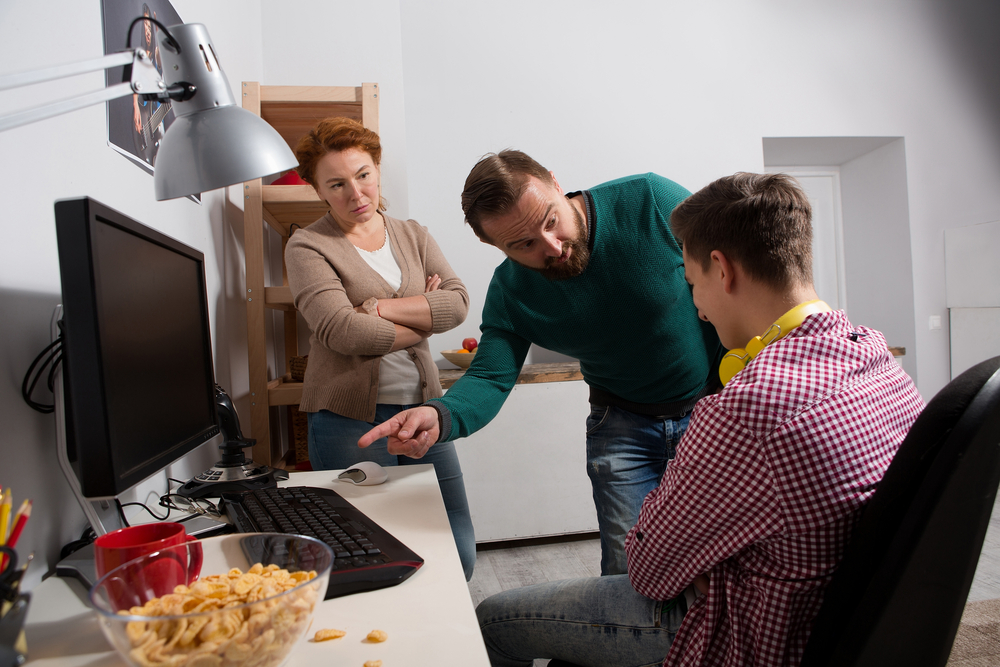
From the messy room, to the music they listen to, from the clothes they go to the door and to the sharp answers they throw you when you ask for something-the struggles we take with the teenagers could turn into wars. When we can ignore and when it is necessary to intervene, experts tell us.
Adolescence is, by definition, a period when they are discovered. Test limits. But we, the parents, often find ourselves in confrontations that seem to start from nothing: clothes, personal objects, themes, friends or the order in the room. Psychologists believe that not all of this is worth transforming into a battle. This is because being a teenager's parent is like a “dance”: sometimes it is appropriate to take the lead, sometimes it is okay to walk only behind them. But what are the battles that are worth worn? Here are some ideas after which we can guide.
Small things we simply let go
When it comes to choosing clothes, hairstyles, accessories or food tastes, experts give a green wave to flexibility. Adolescents express their individuality by the way they look or eat. To transform these preferences into constant conflict topics can harm their relationship and self -esteem. As long as they do not contravene some fundamental values or do not endanger safety, there are aspects that we deserve to look with tolerance.
For example, very wide or very colorful clothes are not a problem themselves, even if they do not match the taste of the parent. The jewelry or accessories can be allowed outside the school, if the regulation imposes certain limits. As for food, it is healthy to constantly provide balanced options, but without turning meals into a battlefield. If the adolescent temporarily prefers only certain dishes, it is more effective to keep a relaxed tone and present them alternatives than to force it.
Psychologists emphasize that these “struggles” for details consume the emotional energy of parents and can reduce the adolescent's availability to cooperate in situations that really matter. In addition, when we accept certain non -essential choices we send them the message that it has control over their own lives, which is vital for the development of autonomy.
Sometimes, letting things pass is and practicing confidence. If the teenager wants to wear white sneakers in the rain or the teenager insists on dying his hair in an intense color, letting them experience, give them the opportunity to assume the natural consequences. Such small experiences prepare the land for more important decisions, when the stake is bigger.
In the long term, the parent who knows how to choose the “battles” earns not only the adolescent's respect, but also a more relaxed relationship, based on mutual trust and real communication.
Truly important topics for which we deserve to fight
There are situations in which to “leave from you” is not an option, and the conflict becomes a necessary step to protect the safety, health and development of the adolescent. Experts emphasize that these moments usually appear when the young man's behaviors or decisions endanger the physical integrity, the educational future or the basic values of the family.
A common example is the choice of entourage. If the teenager spends time with people involved in risky behaviors – alcohol use, drugs, vandalism acts – the father has a duty to intervene, even if this generates tensions. Likewise, antisocial behaviors, bullying or total disrespect to rules must be approached firmly.
School and academic responsibilities also enter the list of topics that cannot be ignored. A constant refusal to go to very weak courses or results, accompanied by the lack of involvement, are not only “passing stages” – they can significantly influence the future. In these cases, it is important to openly discuss consequences and provide concrete support, but also to maintain the standards.
Online safety is another justified fighting land. Uncontrolled access to social networks, sharing personal data or contact with foreigners must be managed with clear rules and explaining the reasons.
Even in these “important battles”, the tone matters. Psychologists recommend that you focus on facts and effects, not personal attacks. For example, instead of “you never see these friends again!”, It is more constructive “I am worried because I have seen behaviors that can endanger you. Let's discuss what alternatives you have.”
In the long term, keeping firmness in essential issues, combined with respect and empathy, tells the adolescent that freedom comes with responsibility – a lesson that will count far beyond high school.
The teenager's room – a personal “empire”
Few topics seem so trivial and yet cause as many disputes in the family as the order in a teenager. For many parents, disorder is a constant source of frustration: scattered clothes, forgotten plates, unpleasant odors. But psychologists warn that here we enter a territory where too much insistence can be counterproductive.
Parenting specialist Dr. Sarah Cassidy, president of the Irish Psychology Society, suggests that we look at the adolescent's room as a space of autonomy. As long as the rest of the house remains clean and tidy, and disorder does not hide more serious problems (food scraps that attract pests, dangerous objects, signs of depression), it is healthier to detach ourselves. His recommendation: “Open the air window, close the door and move on.”
This approach does not mean complete renunciation of rules. You can set “minimal thresholds” – for example, dirty clothes are regularly washed or long -term food in the room. Instead of imposing daily order, it transforms this responsibility into an exercise in managing your own space. If the adolescent remains without clean clothes because he did not bring them to wash, he will learn from a consequence.
In addition to practical autonomy, this attitude transmits an important message: you respect its territory and the right to privacy. For a teenager, the room is often the only place to feel completely in control. If the parent enters constantly and “corrects” everything, the feeling that he does not have the freedom to organize his life according to his own rules is created.
Therefore, instead of turning the disorder into a battlefield, it is more effective to keep the energy for truly important issues. The order can be negotiated, but the confidence relationship built by respecting the personal space is priceless.


