State Archive of the Jewish Autonomous Region
Photo: State Archive of the Jewish Autonomous Region
May 25, 1935
Based on the decision of the Presidium of the Dalkray Executive Committee, the Birobidzhan district was abolished. Birofeldsky, Valdgeimsky, Golovinsky, Karl-Libknechtsky, Kazansky, Mikhailo-Arkhangelsky, Nadezhdinsky, Pronkinsky, Razdolnensky and Stepanovsky village councils are subordinate to the Birobidzhan city district.
May 25, 1940
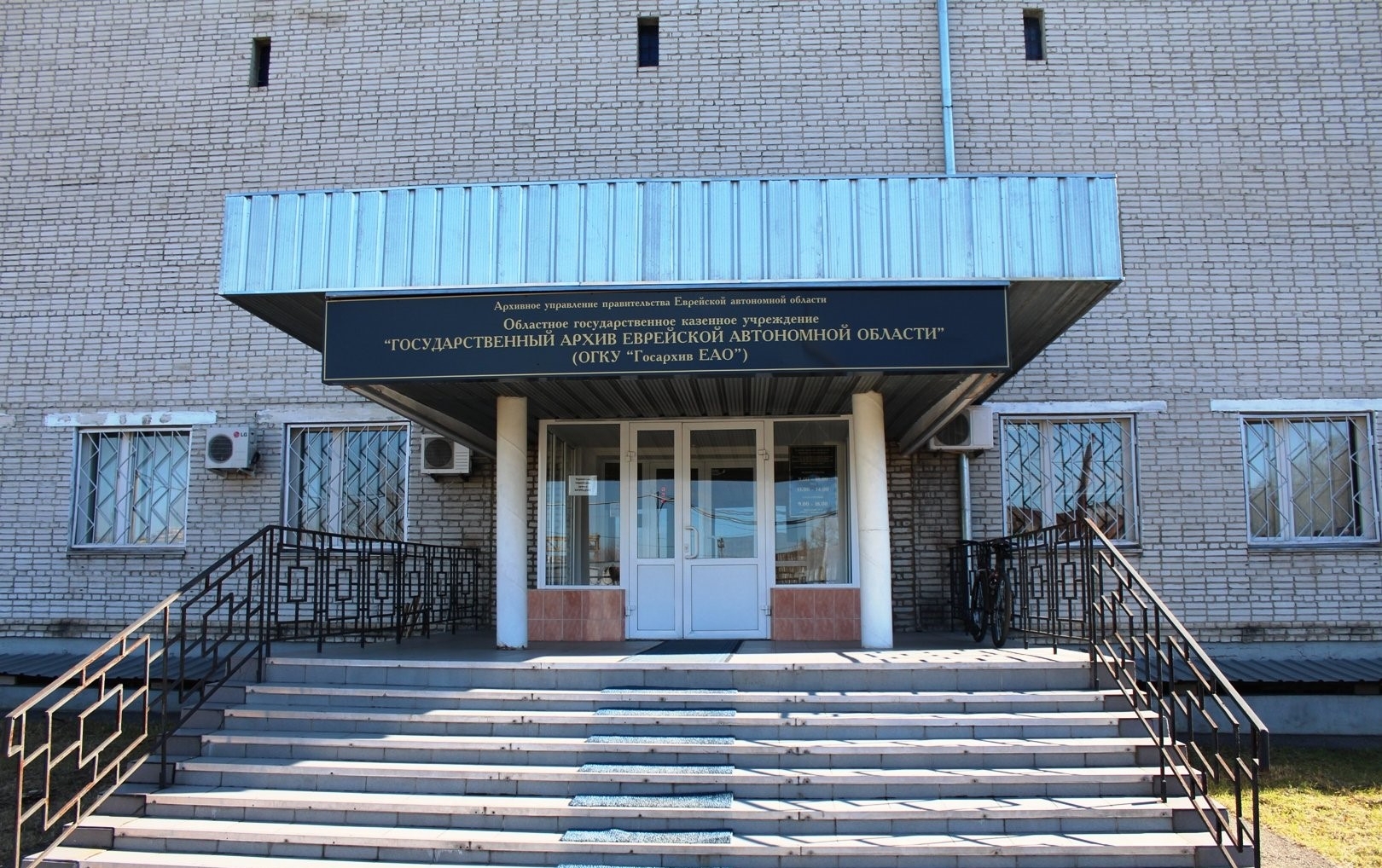
On this day, the state archive of the Jewish Autonomous Region was formed (now the regional state budgetary institution “State Archives of the Jewish Autonomous Region”). In order to preserve archival documents of the Jewish Autonomous Region, back in 1935, the executive committee of the regional council instructed the scientific commission for the study of Jewish culture to begin the formation of a regional archive. From that moment on, many administrative documents were adopted, but they were not implemented for several years, until, on the eve of the war, archival institutions were transferred to the jurisdiction of the internal affairs bodies.
By decision of the regional executive committee of the Jewish Autonomous Region dated May 25, 1940 No. 234 “On approval of the estimate and staffing schedule of the regional archival department,” the first staffing schedule of the archival department and the regional national archive was approved.
Timofey Pavlovich Borisov, inspector of the archive department, was appointed director of the regional archive. The staff of the archive department and the state archive consisted of five people: the head of the archive department, two inspectors, the director of the archive and a temporary technical worker. Archival materials received by the archives of the Jewish Autonomous Region, in addition to secret military ones, contained information about construction, mineral deposits, and the study of water basins and forests in the region. In total, 69 funds were formed in the amount of 18,106 storage units.
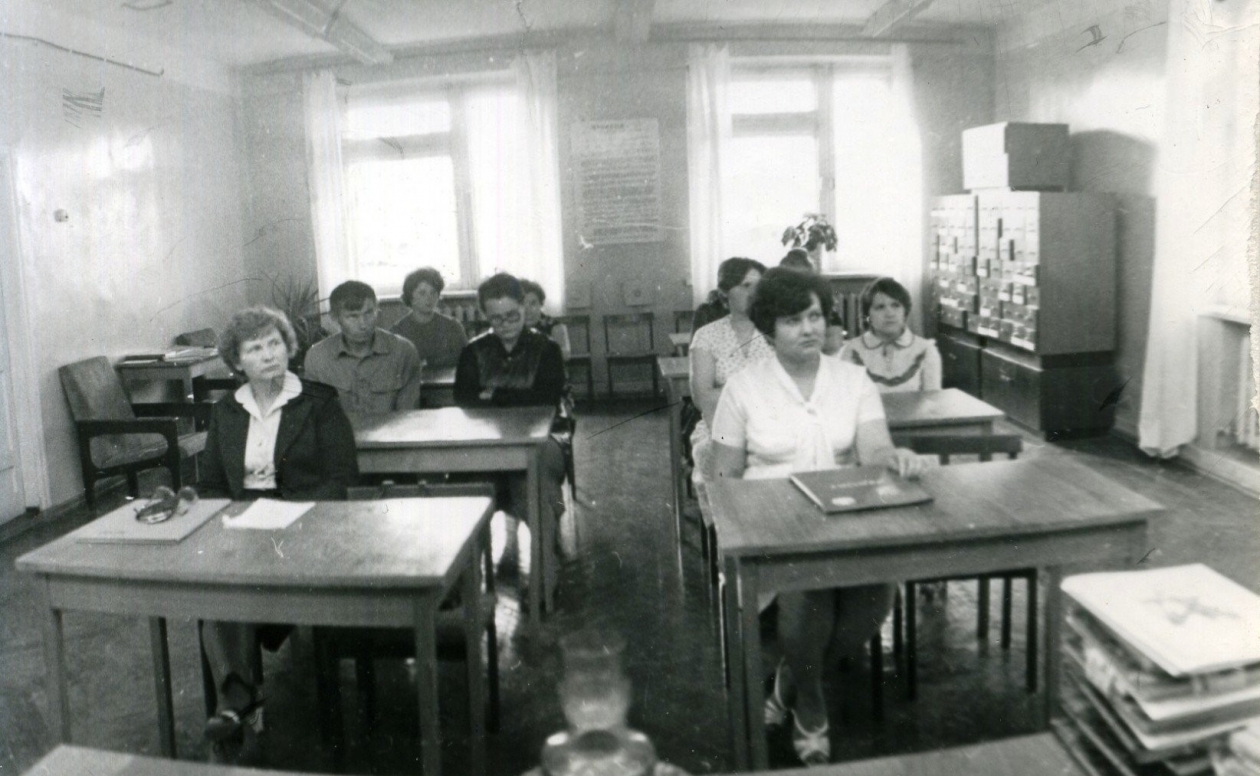
In the early 1950s, the state archive was located in the building of the regional executive committee of the Jewish Autonomous Region. Photo: Photo: State Archive of the Jewish Autonomous Region
In the early 1950s, the state archive was located in the basement of the regional executive committee of the Jewish Autonomous Region. Room size 40 sq. meters, had only one small window, and was equipped with shelving. Archive staff also worked here and received visitors.
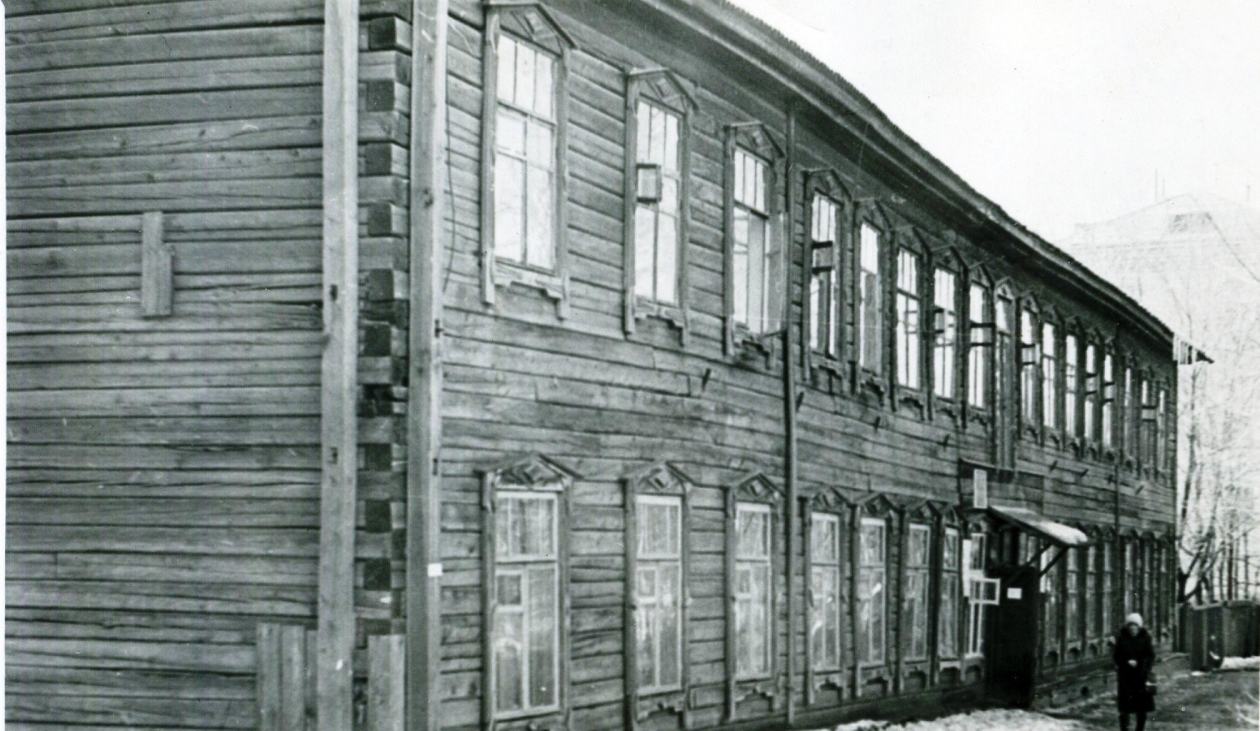
Since 1965, the regional archive was located in the building on Lenin Street, 1. Photo: Photo: State Archive of the Jewish Autonomous Region
Since 1965, the regional archive was located in an old, wooden two-story building on Lenin Street, 1. In addition to the archive, other organizations were located in the building. At that time, the archive had about 40 thousand storage units in storage.
In 1978, a standard regional state archive building with a capacity of 400 thousand files was put into operation.
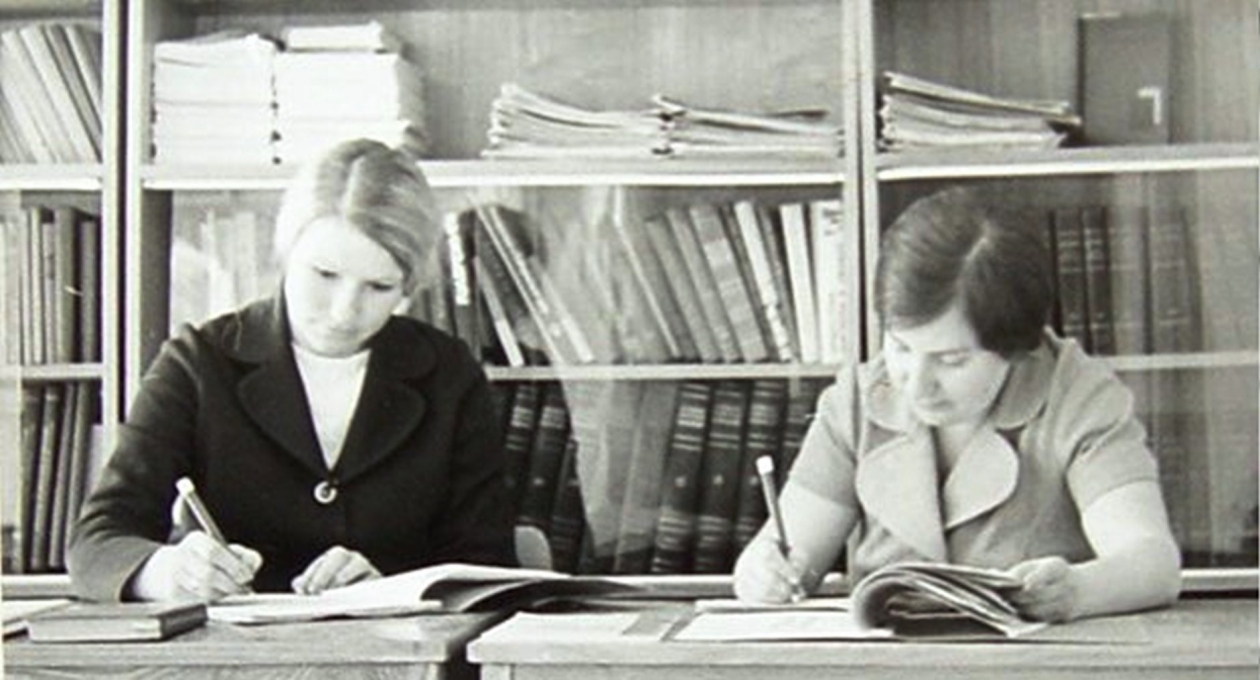
In 1991, the state archive of the Jewish Autonomous Region included documents from the party archive of the regional committee of the Communist Party of the RSFSR, formed in 1942 (56 thousand units for 1920-1991) and the liquidated party structures of the Jewish Autonomous Region.
Today, the State Archives of the Jewish Autonomous Region is a modern institution that effectively uses information retrieval systems and automated archival technologies. Automated accounting databases have been created and are constantly updated: “Archival Fund”, “Photo Catalog”, “Partrical Books”, “Registration of Appeals of Citizens and Organizations”, “Decisions of Executive Committees”. In 2009, the archive website was developed.
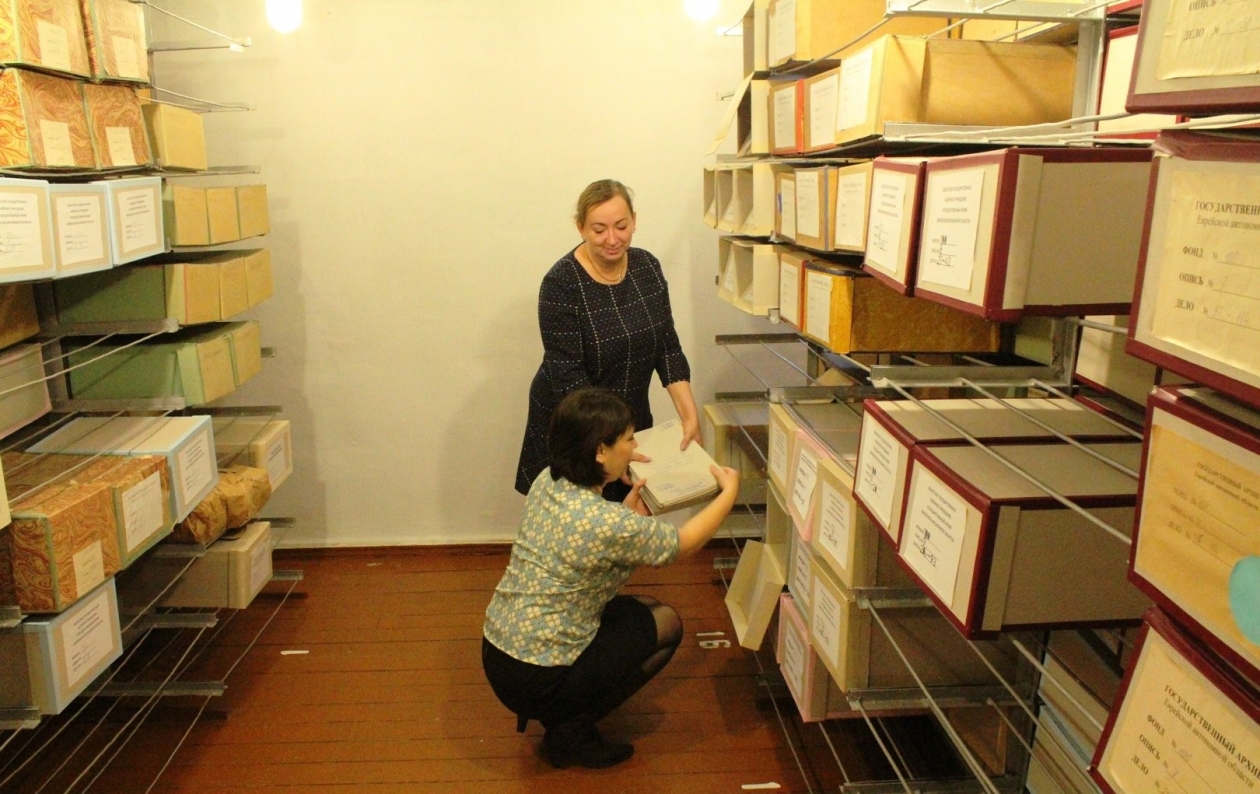
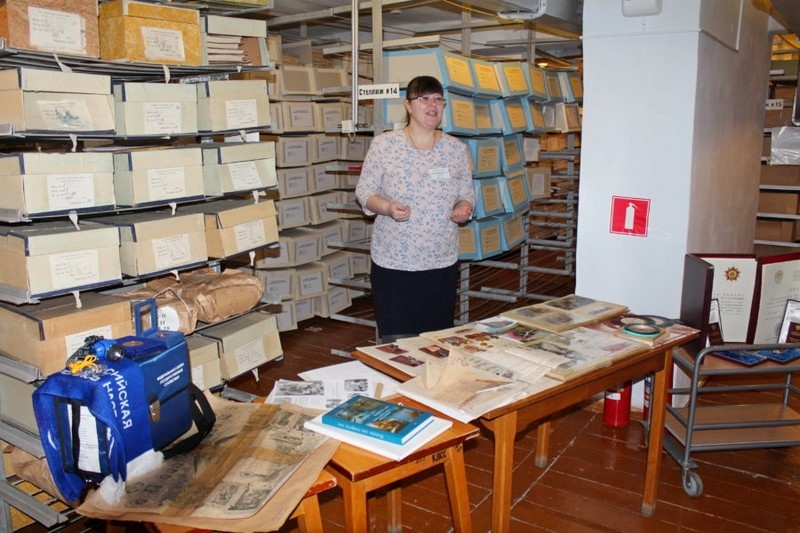
The archive becomes a truly research institution. The documents stored here are the source base for studying the history, economy and cultures of the region for more than 100 years.
The archive building is located at Remontny Lane, 9. Three archive storage facilities house more than 300 thousand storage units containing documents on various media dating back to 1864. The state archive is headed by Alena Borisovna Ionina.
Archivists, with the financial support of the government of the autonomy, prepared and published reference and information publications “Administrative-territorial structure of the Jewish Autonomous Region 1858 – 2003” (0+) and “Streets of the City of Birobidzhan” (0+).
May 25, 1945
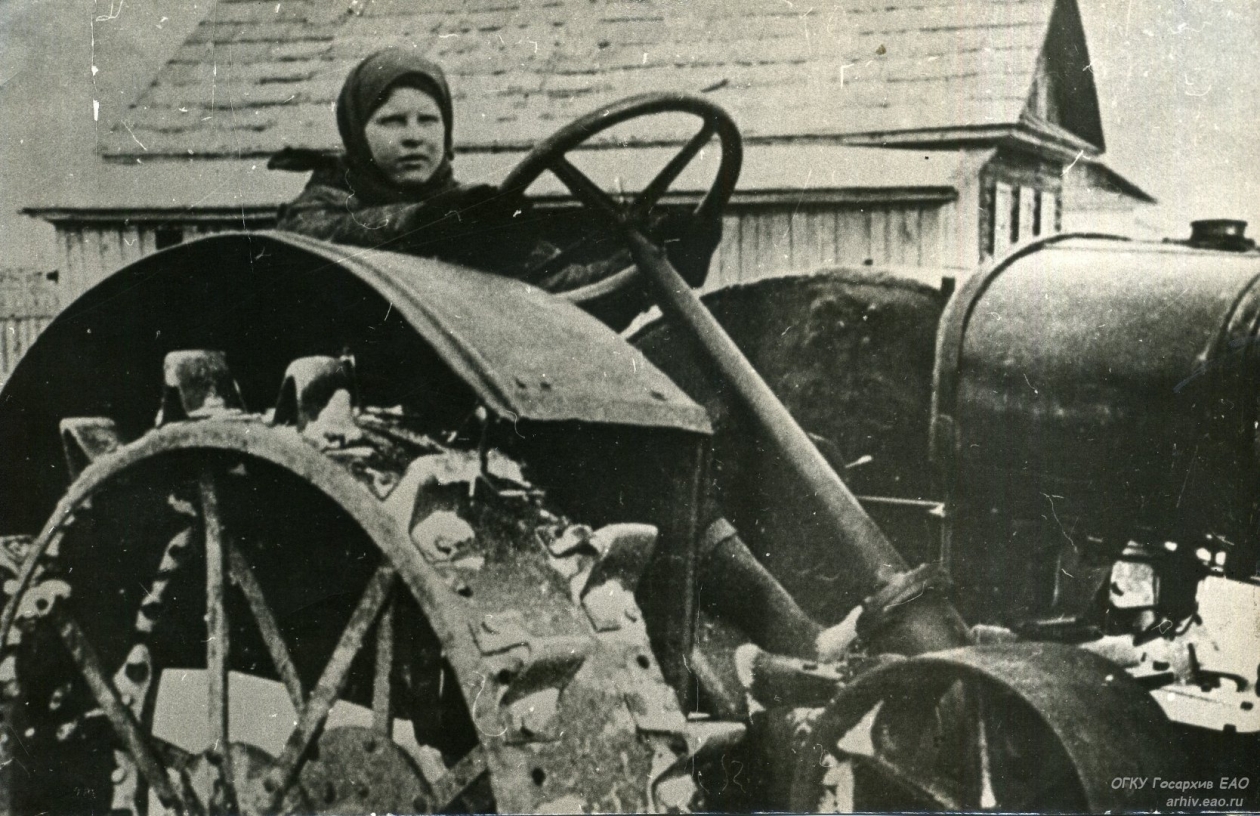
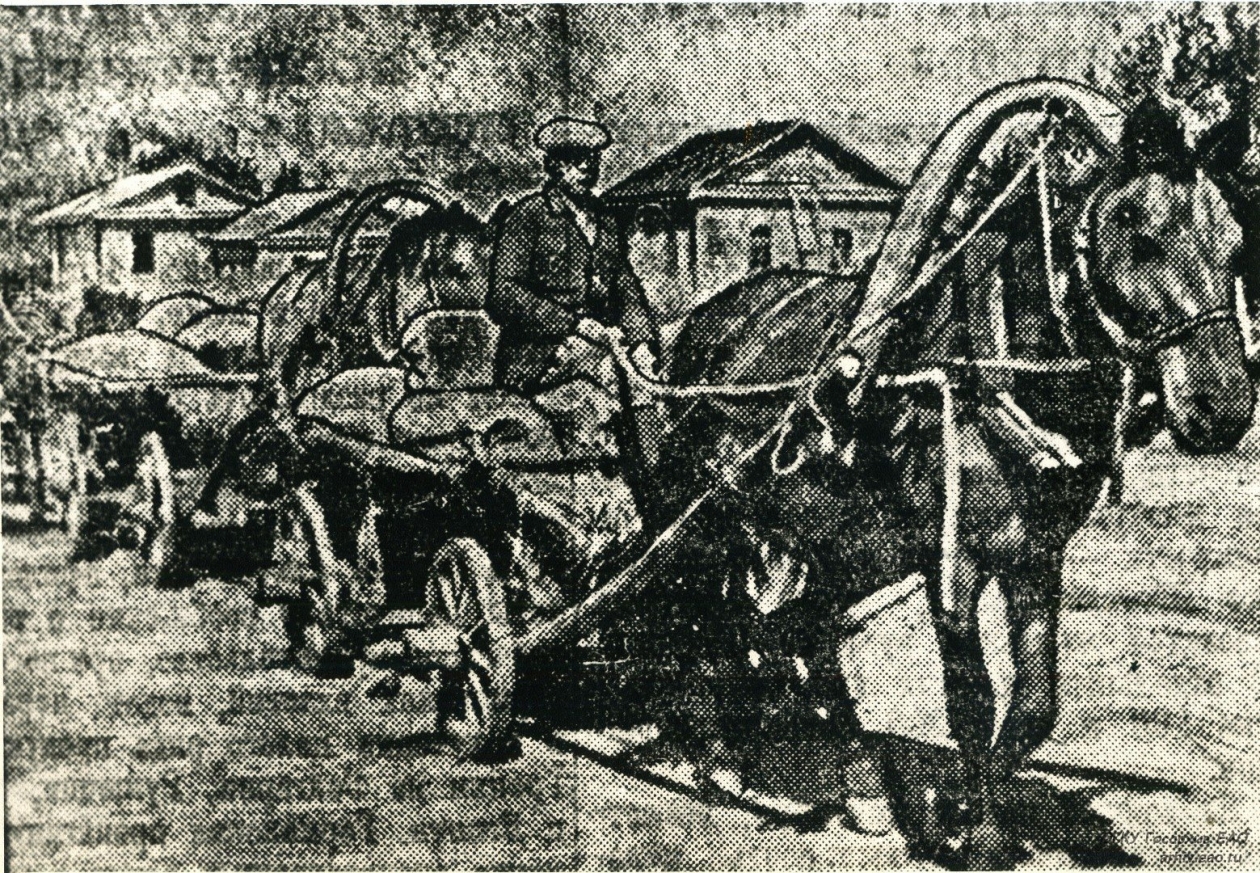
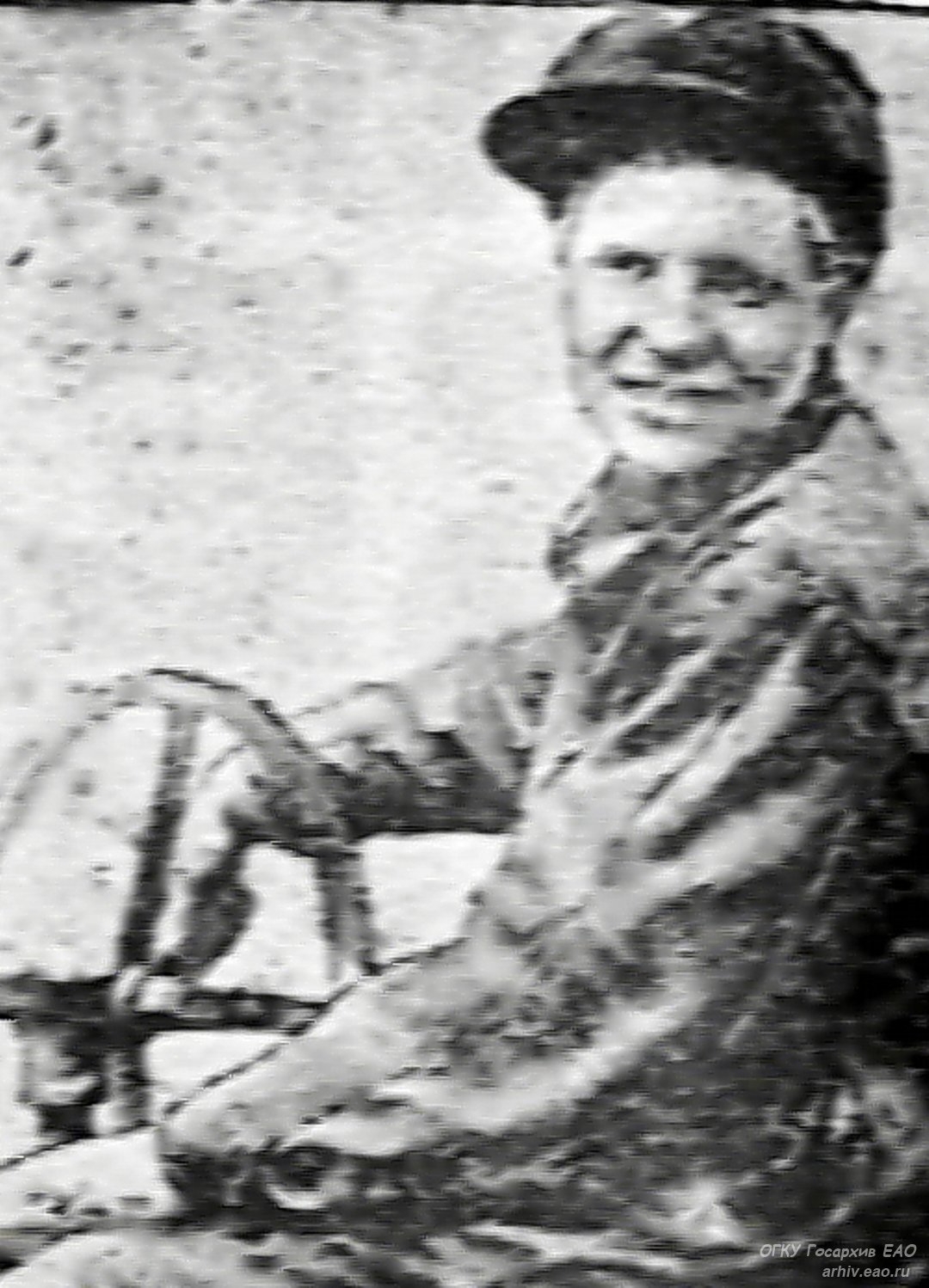
The Bureau of the Regional Committee of the All-Union Communist Party (Bolsheviks) discussed the issue of implementing its resolution of April 28, 1944 “On the progress of sowing early grain grain on collective farms of the Leninsky region.” Attention is drawn to the need to improve party-political work among machine operators, disseminate the working methods of advanced tractor drivers, and improve the quality of field work.
May 25, 1978
The bureau of the regional committee of the CPSU heard a report on the work of the party committee of the Polevsky state farm on the communist education of workers. The resolution noted that the ongoing ideological and educational work contributes to the implementation of plans and socialist obligations. The state farm exceeded the 1977 plan for selling grain, milk, and meat to the state. The Bureau obliged the party committee to steadily improve the forms and methods of ideological work, to make wider use of the capabilities of the system of political and economic education for the consistent and in-depth study by communists and non-party members of the theory of Marxism-Leninism and the materials of the 25th Congress of the CPSU.
The Secretariat of the Regional Committee of the CPSU approved the work experience of agitators A. N. Rusakov, a mechanic at the Birobidzhan passenger motor transport enterprise, and A. I. Kachur, a link collective farm “Trudovaya Niva” Leninsky district. He recommended that the Birobidzhan City Committee, district committees of the CPSU, and primary party organizations widely use this experience in mass political work among the working people.