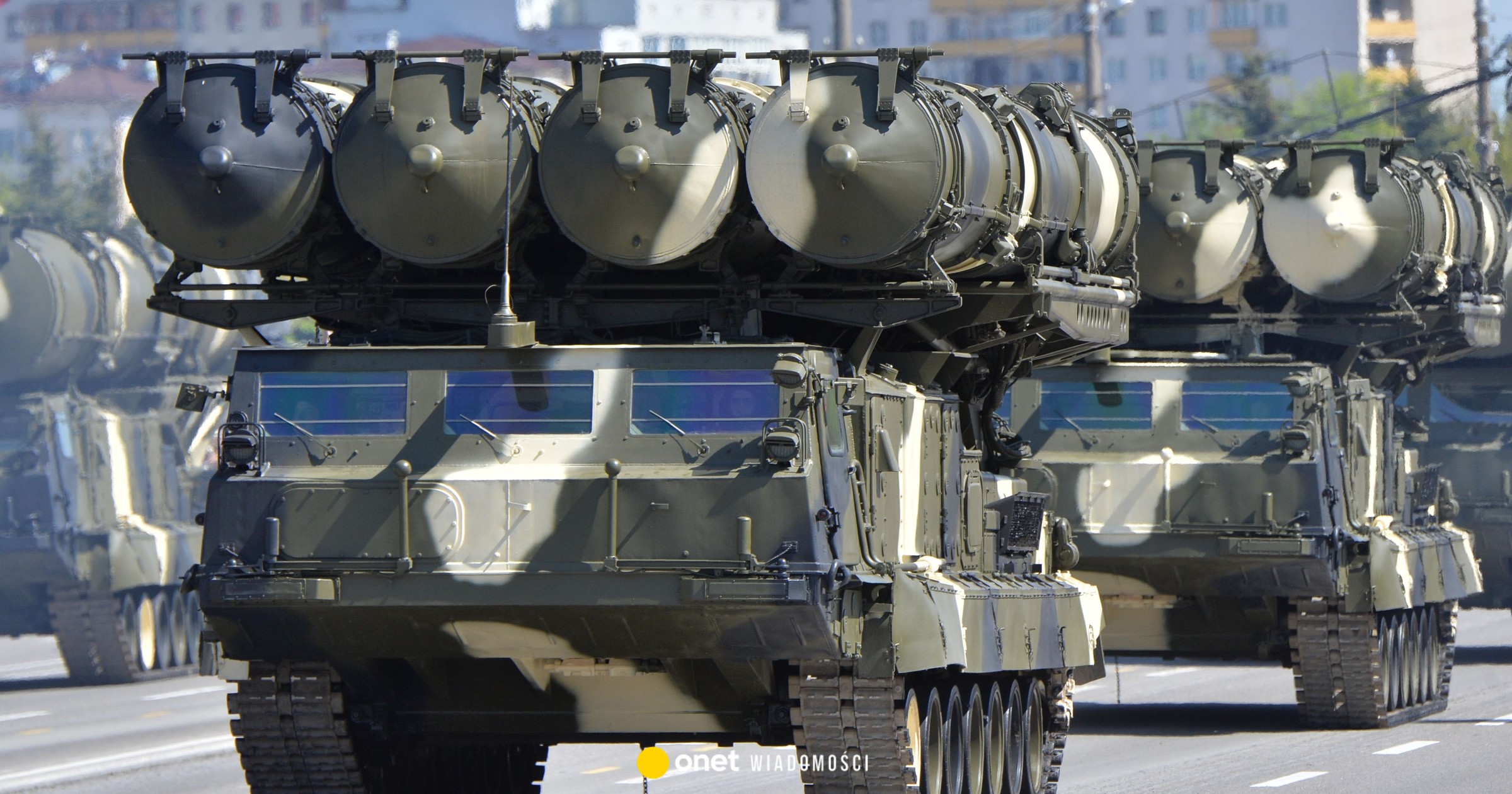
Ukraine is accelerating the development of its own anti-missile shield, amid a shortage of Patriot systems

Ukraine is stepping up its efforts to develop its own anti-missile defense system as stocks of US interceptors, used to shoot down Russian ballistic missiles, are becoming increasingly scarce.
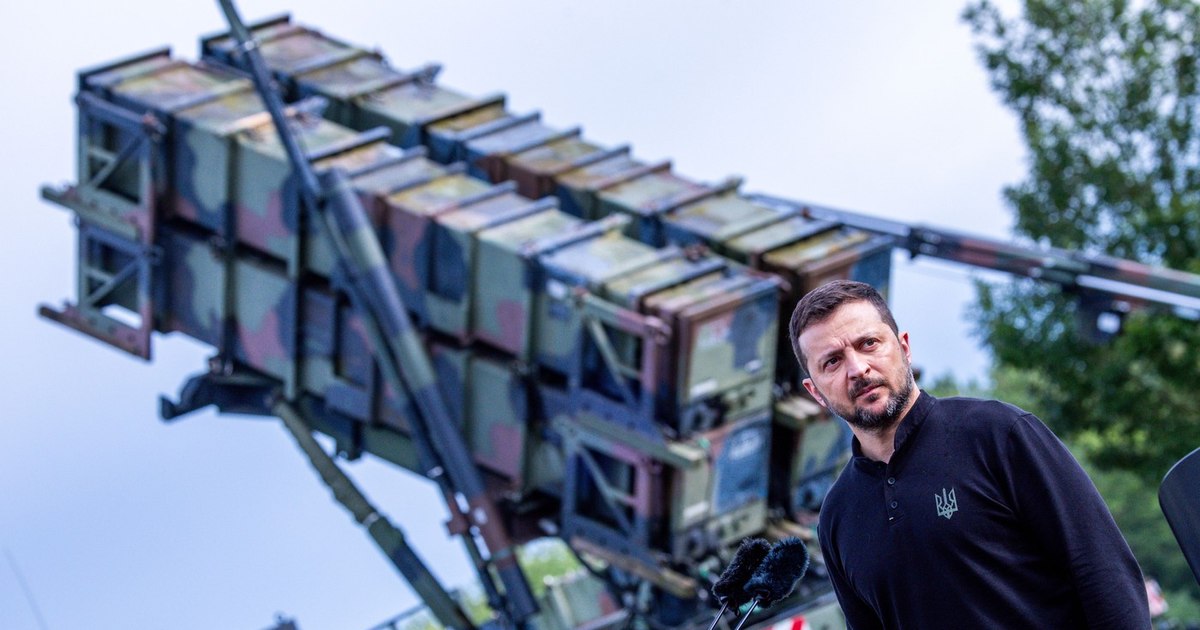
Volodymyr Zelensky next to a Patriot system/PHOTO:Profimedia
President Volodymyr Zelenskiy said at a summit of the European Political Community that Europe should be able to produce all the necessary means to defend itself against threats, including ballistic attacks.
“I think Europe must be able to produce everything it needs to defend itself”he said.
Dependence on American systems
Ukraine currently relies heavily on the Patriot missile system and PAC-3 interceptors to counter Russian attacks. But the intensive use of these systems, including in other regions, has led to a decrease in availability.
At the same time, European alternatives, such as IRIS-T or SAMP-T, are not produced in sufficient quantities to cover Ukraine's needs.
This context led Kiev to seek internal solutions, in parallel with procurement efforts through NATO mechanisms.
A project with European ambitions
Ukrainian defense companies are already working on alternatives. Among them is the “Freya” initiative, developed by the Fire Point company, which proposes an integrated anti-aircraft system at the European level.
The concept involves combining a Ukrainian launcher with FP-7 interceptor missiles and Western technologies, including guidance systems provided by Diehl Defense.
According to the developers, the FP-7 missile could reach speeds of about 1,500 meters per second and could be adapted for both ground strikes and ballistic missile interception.
The project aims to integrate components from several European states, including radars and command systems, into a common architecture.
Technological and logistical challenges
However, developing a system capable of intercepting ballistic missiles is complex. High-performance radars are needed for early detection of targets, as well as advanced guidance systems for interceptors.
Ukraine does not yet produce all of these components, forcing it to depend on external partners for critical items.
At the same time, Ukrainian authorities and companies are using the ongoing conflict to test new technologies in real conditions, thus accelerating the development process.
Bureaucratic and political obstacles
Another major obstacle is represented by the decision-making processes in Europe. Analysts warn that bureaucracy and competition between European states could slow down or even block such initiatives.
Chatham House points out that although Ukraine has become an important center of expertise in defense against missile and drone attacks, the rapid implementation of joint projects remains difficult within the European framework.
Although Ukraine has set out to develop its own anti-missile system within about a year, experts believe that achieving this goal depends largely on external support and the speed of international cooperation.
In the context of a protracted conflict and uncertainties over arms supplies, domestic development efforts could become a key element of Ukraine's defense strategy and, potentially, of European security as a whole.