
7 frozen vegetables holding blood sugar and diabetes under control better than fresh, recommended by nutritionists

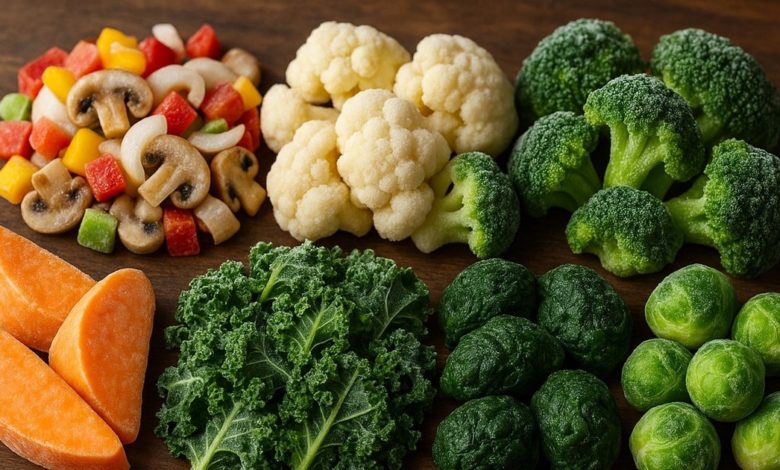
Did you know that some frozen vegetables can be even more nutritious than fresh? For people who monitor their blood sugar or live with diabetes, the correct choice can make the difference. Discover how frozen vegetables can become a valuable health ally – and which are the most recommended by nutritionists.
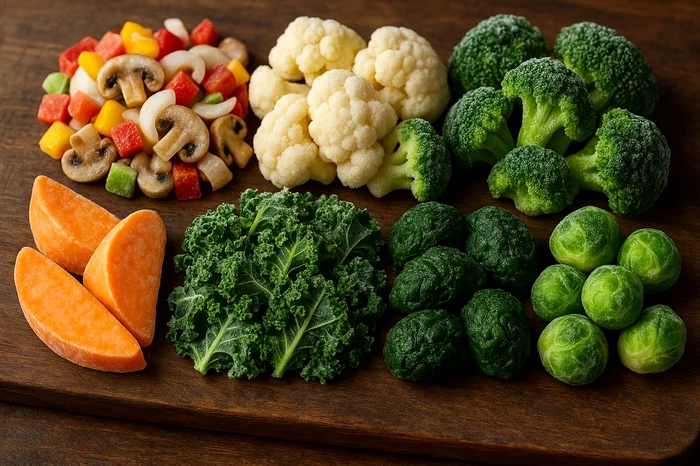
Best 7 frozen vegetables for blood glucose and DMS diabetes control
Many fresh vegetables spend too much time forgotten in the refrigerator drawer, losing vitamins and minerals. If frozen vegetables are therefore a healthy choice, some of them can be particularly beneficial for people who monitor their blood sugar. What are these?
The answer comes from three nutritionists, and their conclusion is clear: maintaining a stable level of blood sugar depends on the control of the amount of carbohydrates and the fiber intake of the vegetables consumed.
“Vegetables generally have a low carbohydrate content, which means a smaller impact on blood sugar. When carbohydrates come from fiber, they help prevent over -dimension and support weight control.”explains Annette Snyder, American dietitian at Top Nutrition Coaching.
Specialists recommend choosing vegetables that offer at least 3 grams of fiber per portion.
I have gathered for you seven delicious frozen vegetables and approved by nutritionists, which you are always worth in the freezer – safe sources of friendly nutrients with your blood sugar.
The best 7 frozen vegetables for better blood sugar and diabetes control
Now, let's find out what are these frozen vegetables with maximum potential for maintaining blood sugar, explained in turn, with useful tips for each.
1.
You recognize them at a glance: colored combinations of mushrooms, onions, peppers and other carefully chosen vegetables. These frozen mixes are not only an ally in the kitchen, but also in maintaining blood sugar in healthy parameters, and implicitly diabetes – contain few carbohydrates and are high in fiber, explains Canadian dietitian Lenora Vatamanuck.
The secret? It turns the vegetable bag for fries into a lunch or a complete dinner, adding chickens, shrimp, weak beef or any other source of quality protein. Quick, tasty and friendly with the blood sugar level.
2. Frozen cauliflower – fiber superfiniment and low glycemic balance
The frozen cauliflower is the sleeve ace of any healthy kitchen. Whether you find it in the form of a fragile bouquets or transformed into “rice” Finally, this versatile vegetable can replace the classic rice from numerous preparations.
For those sensitive to the sudden blood glucose increases, cauliflower is a reliable ally: a cup contains only 5 grams of carbohydrates and 3 grams of fiber-a friendly combination with the silhouette and balance of blood sugar.
Try it as a substitute in classic dishes like a creamy casserole with spinach, artichoke, chicken and “rice” of cauliflower. The result? A rich taste, without compromises.
3. frozen broccoli and sulforafan: natural support for insulin sensitivity
Broccoli: Either you love him, or you have not yet discovered his true culinary potential. With the right method of preparation and well -chosen flavors, this cruciferous vegetable can become a revelation on the plate.
“Broccoli, rich in fiber, contains sulforafan – a compound released when the plant is cut or chewed. Studies show that sulforafan can improve insulin sensitivity and contribute to lower blood sugar.”explains the nutritionist Snyder.
And the good news is that it does not have to be complicated: a simple bag of frozen broccoli can be the starting point for countless tasty dishes. Dozens of recipes demonstrate that broccoli can be, in good, irresistible.
4..
Spinach never fails – and Popeye knew this since ancient times. Only a frozen spinach cup offers almost 7 grams of carbohydrates, of which 4.5 grams are fiber, a real nutritional boost without changing the taste of your favorite dishes.
Whether you add it to soups, stews or casseroles, the spinach instantly raises your nutritional value. We challenge you to try a creamy dip (sauce) and tasty spinach with artichoke, slow cooked to release all natural flavors, or a consistent stew with spinach – perfect combinations for a balanced and flavored diet.
5. Kale cabbage frozen – rich in essential nutrients for healthy metabolism
Kale cabbage continues to shine on the stage of healthy eating – and rightly so. The American Association for Diabetes recommends it warmly due to the low calorie and carbohydrate content, but also its nutritional richness: iron, calcium, potassium, folate and vitamins A, C and K.
A single cup of frozen kale cabbage, chopped, contains less than 1 gram of carbohydrates, being practically a pure source of fiber – a real superfood.
For an explosion of taste and color, try a autumn salad with Kale – a preparation that will convince you that health can be delicious.
6
You may have never been a fan of the Brussels cabbage, but it is worth giving it a chance. These mini-laws are real nutritional bombs, superfoods, and Dietitian Snyder recommends them for their generous fiber. A cup of frozen Brussels cabbage, cooked, offers no less than 6 grams of fiber and an important dose of vitamin C.
The secret? Gently fry them in a little olive oil with a pinch of salt until they become crispy and gold-a simple method that turns them into the delight of your table. It is time to discover how tasty these small nutritional treasures can be.
7. Coastal sweet potatoes – important magnesium intake and fiber for a balanced metabolism
Although they have a slightly higher glycemic index than the other vegetables in this top, sweet potatoes remain a valuable nutritional choice. Dietitian Snyder draws attention to their high fiber content – more than 3 grams/200 grams of frozen sweet potatoes – and magnesium, an essential mineral that supports a healthy glucose metabolism.
The American Association for Diabetes recommends the inclusion of high magnesium foods, given that its deficiencies are common.
For a preparation that combines taste with health benefits, try an anti -inflammatory salad with sweet potatoes and Kale cabbage – a combination that brings two of the superiments of this list.
How to choose frozen vegetables to keep your blood sugar and diabetes under control
Choosing frozen vegetables is not as simple as it seems at first sight. “Frozen vegetables can have as many nutrients as fresh variants, but sometimes they hide unwanted additions – sugars, fats or excess salt.”warns Lena Bakovic, Canadian dietitian at Top Nutrition Coaching.
The secret? Read the labels carefully: check the list of ingredients and nutrition information to make sure that only the vegetable you are looking for, without useless additives or preservatives. “Ideally, the only ingredient is the vegetable itself.”completes the expert Lenora Vatamanuck.
Thus, you will make a smart choice that will support your blood sugar balance without compromises.
Frozen vegetables: simple blood glucose control and a healthy lifestyle
Frozen vegetables are a valuable source of essential nutrients, without compromises, for any lifestyle. For people who monitor their blood sugar level or live with diabetes, they can quickly become reliable allies in the kitchen. Therefore, they can be an excellent choice for better blood sugar control, especially when choosing simple, without hidden additions. The key is to read carefully the list of ingredients, explore new varieties and take advantage of the nutritional richness that each frozen vegetable brings to your plate. Keep them into the freezer and transform each meal into a simple step towards balance, glycemic control and sustainable health.


