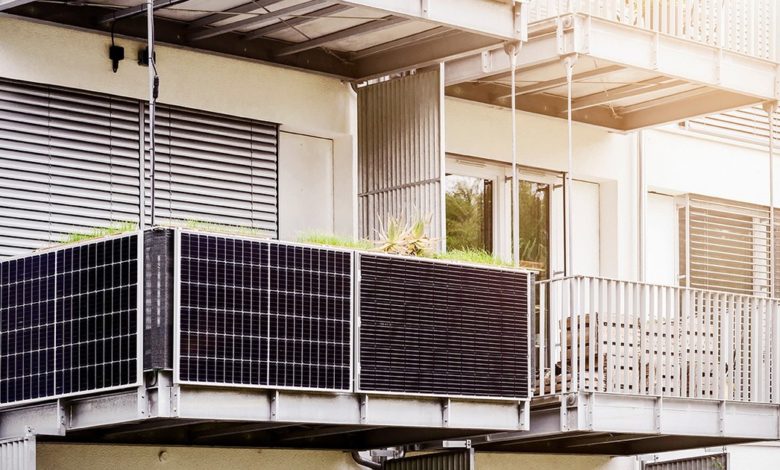
The owners' associations will receive funding for the installation of photovoltaic panel systems with a minimum power of 10 kWp and for the purchase of electricity storage installations from renewable sources, according to an ordinance project.
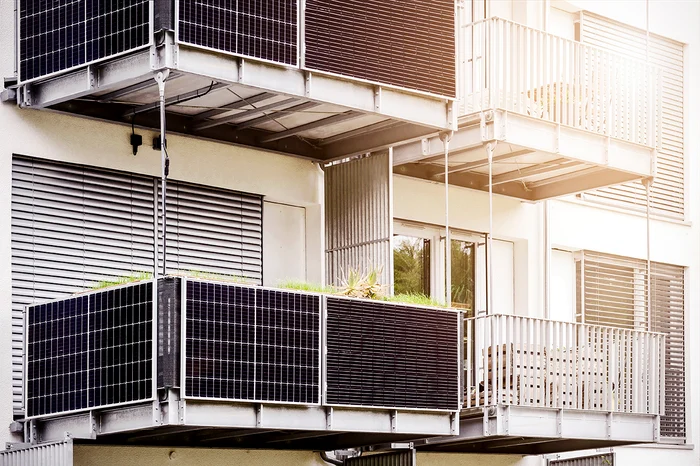
Financing for photovoltaic. Photo: Shutterstock
The owners' associations will receive funding for the installation of photovoltaic panel systems with a minimum power of 10 kWp, for the production of electricity, as well as for the purchase of electricity storage produced from renewable sources, with a capacity of at least 50% of the installed power of the photovoltaic panel system.
The draft normative act contains the urban-up financing program and was restored to the debate, by the Ministry of Energy, in a modified form. If it is adopted by the Government, the associations of owners or tenants, but also the mayors, for the social blocks they have, will benefit from financial support for the purchase and installation of photovoltaic panels and electricity storage installations.
The amount required to implement the “Urban Up” program is at least 100 million lei and maximum 158 million lei, within the limits of commitment credits approved in the budget of the Ministry of Energy, it is shown in the note of foundation of the draft normative act.
For the application of this program, the Ministry of Energy will develop a financing guide, which will include all types of categories of eligible works and expenses that are financed within each category of investments, technical conditions and eligibility criteria.
In support of the utter approval of the draft normative act, the Ministry of Energy invoked the fact that, at the end of June, the measures of capping the electricity prices expire
“On June 30, 2025, the price ceiling for electricity consumption and on March 31, 2026 for natural gas, established by the provisions of the Emergency Ordinance no. 6/2025 regarding the measures applicable to the final customers in the electricity market between April 1, 2025-30, 2025, respectively, the measures applicable to the final market, 2025, 2026, and for the modification and completion of some normative acts in the field of energy.
The opportunity to finance the proper consumption of the condominium associations in Romania, of the social housing in the administration of territorial administrative units (UAT) and the energy communities of the citizens of Romania in order to install the photovoltaic panel systems with the production of an installed power of at least 10 kWP, as well as for the electricity of the electricity, as well as for the electricity of the electricity. renewable, with a capacity of at least 50% of the installed power of the photovoltaic panel system ”is shown in the quoted document.
How do other countries succeed in bringing solar energy on block roofs
Germany It is one of the best examples. Here there is the concept of “Miecerstrom” (“electricity for tenants”), a model by which the owners of blocks install photovoltaic panels and sell the energy of tenants at a lower price than the market. The state offers subsidies for such projects, and the contracts are clearly regulated. Thus, the tenants benefit from green energy without investing directly in equipment.
France It supports the energy cooperatives, in which the inhabitants of a block or a neighborhood can finance a photovoltaic system together and share their energy. These cooperatives can sell the surplus into the network and divide the earnings between members. The French law recognizes the “energy communities” and offers them access to regulated networks and rates.
Netherlands It has implemented the concept of “shared solar area”, in which several urban blocks or housing contributes financially to a common solar installation – for example, on a deposit or on a free land. Each participant receives a percentage of the energy produced, thus decreasing its monthly invoice.
Italy It offers a clear framework for “solar condominiums”. Here, the owners' associations can access non -reimbursable funds for the installation of photovoltaic panels on blocks and can distribute the energy between apartments based on the participation quotas. These initiatives are encouraged by tax deductions of up to 110% of the investment (Superbonus 110).