
Taliban reopens Afghanistan for tourists. Between exotic attraction and reality of a repressive regime

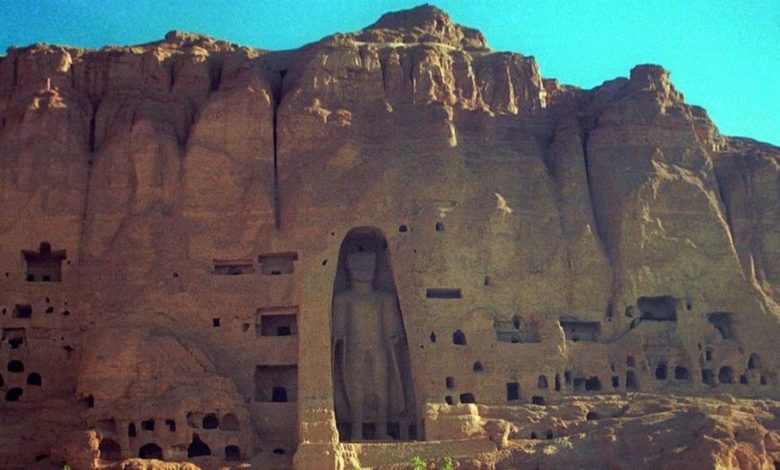
After decades of conflict and international isolation, Afghanistan tries to reinvent himself as a tourist destination. In a context in which most Western states maintain firm travel warnings, the Taliban regime relies on tourism as a form of “opening” and source of essential income for an economy in collapse.
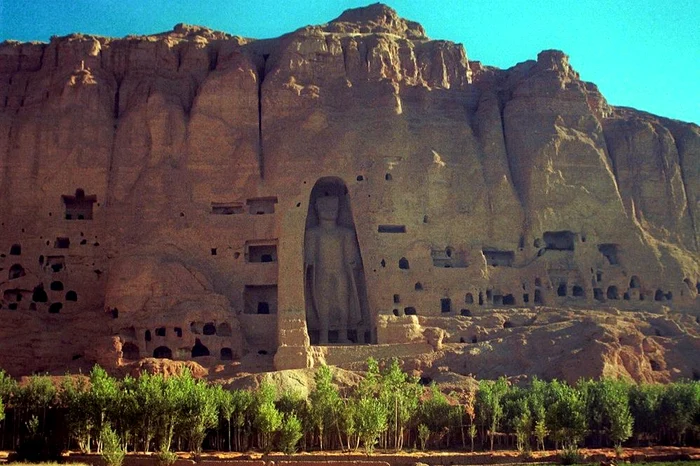
Bamiyan – one of the main tourist destinations, famous for the statues of Buddha/Photo: X
Visitors, who come by plane, motorcycle, caravan or even bicycle, are still few, but present. In 2023, almost 9,000 foreigners crossed the borders of Afghanistan, and the local authorities say that the trend is increasing. Taliban officials talk about the “warmth of Afghan” and the people's desire to interact with foreign tourists, but carefully avoid any reference to the drastic conditions imposed on the female population.
Tourism as an economic “restart”, in the absence of external investments
In an interview with the Associated Press agency, Qudratullah Jamal, Deputy Minister of Tourism, states that Afghanistan sees a key sector for economic relaunch in tourism. “It is a source of income that reaches more social categories than other industries. We are optimistic that this sector will evolve into a major economic branch.”
But the data in the field contradicts the official optimism: the level of poverty is extreme, the opportunities for external investments remain minimal, and the international image of the Taliban regime is defined primarily by brutal suppression of women's rights and the total lack of international legitimacy.
A relative recovery of security but the risks persist
Undoubtedly, the level of violence has decreased compared to the period of international occupation and civil war. The suicide attacks and battles in the big cities have been rarefied. But groups like the Islamic State (Khorasan Branch) remain active. In May 2024, an armed attack in Bamiyan – one of the main tourist destinations, famous for the gigantic statues of the Buddha destroyed in 2001 – made six victims, including three Spanish tourists.
The Taliban government insists that “there is complete security throughout the country” and that Afghanistan has surpassed the era of violence, inviting tourists to “discover the traditions and authentic life of the Afghan people.”
Moral Dilemma: Tourism in a religious dictatorship
In parallel with the enthusiastic promotion of Afghan hospitality, the internal reality remains deeply restrictive: women have forbidden access to secondary education, are excluded from most professions, cannot attend parks, sports halls or beauty salons and are obliged, by decree, to cover their face in the public.
While Taliban officials refuse to comment on the subject, some of the tourists admit that they had ethical restraint before visiting the country. A couple consisting of a Frenchwoman and a British says they discussed “for a year” whether it is moral or not to cross Afghanistan on their way to Japan. “Some things did not seem morally correct,” admits the woman. However, the personal experience was positive: friendly people, spectacular landscapes and the feeling that the money spent reach the population, not the regime.
Different rules for tourists and locals
In a cynical but revealing note, foreign women are treated with more permissive than Afghace: they can visit some public places and, although they are asked to wear a scarf, they are not forced to cover their face. This double measure does not seem to disturb the officials, who only emphasize that “visitors must respect the laws and traditions of the country.”
Deputy Minister Jamal states that tourism can also be a cultural diplomacy channel. “When foreigners come here, bridges are created. They learn about us, but we are about them. The distance between the peoples is reduced.”
The real question remains whether this tourist opening is an authentic form of reconnection with the world or just an economic facade meant to attract currency in an isolated and authoritarian regime. Without international recognition and without clear signs of internal reform, the Taliban regime tries to provide the image of a fragile normalty – one in which visitors are welcome, but half of their own population remains closed in houses.


