Poland is waiting for the green light from Brussels on the atom. Decision by the end of the year

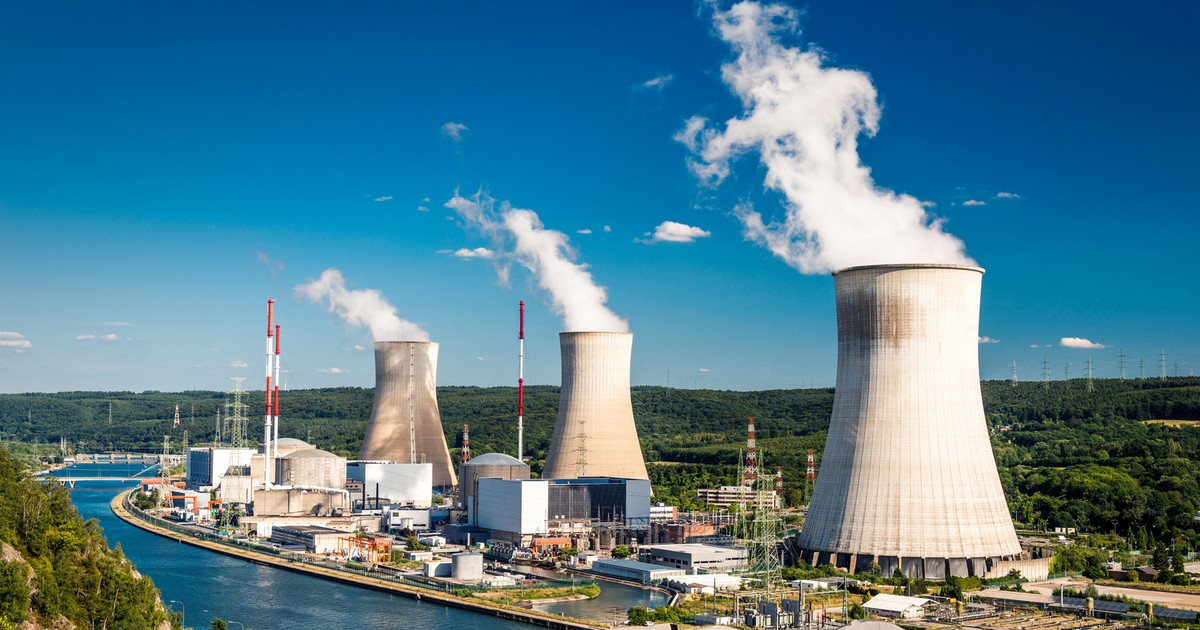
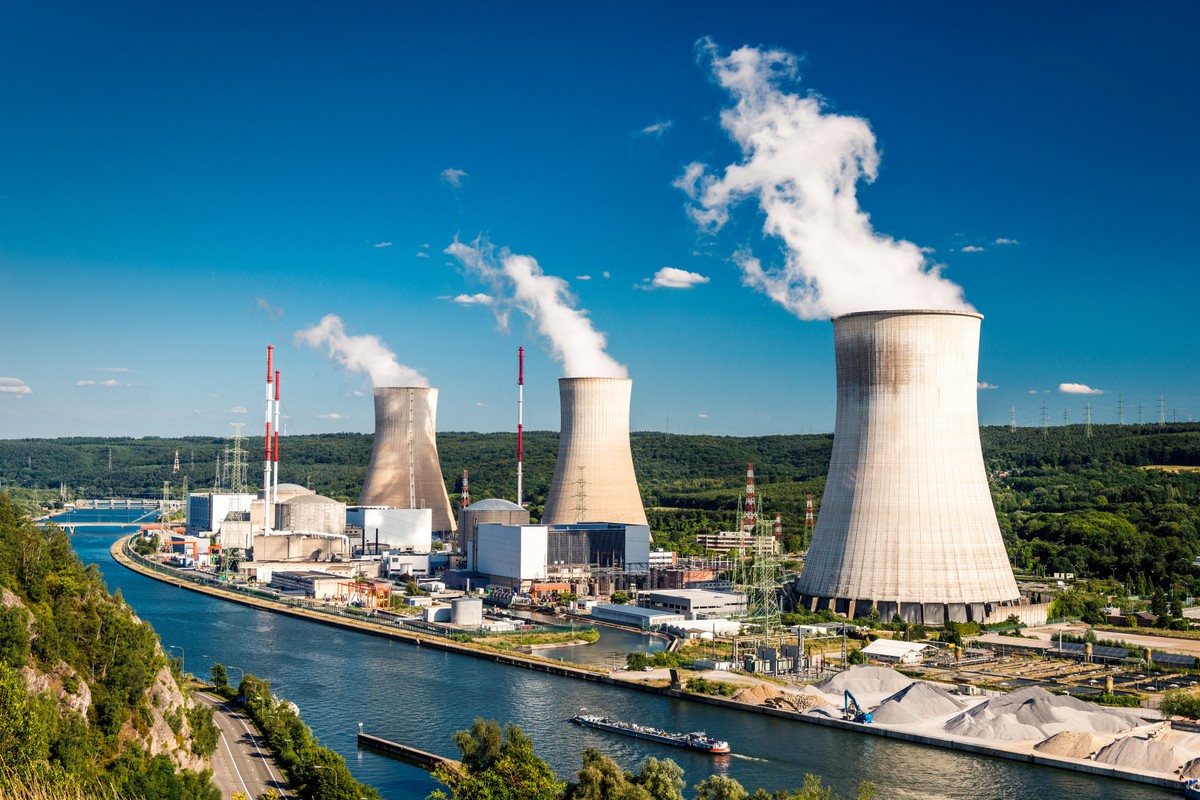
The Polish government is seeking the consent of Brussels to support the recapitalization of Pej from the state budget, a differential contract for 60 years and guarantees of the State Treasury for all debt financing. Woszczyk explains that the approval of these forms of support will enable the start of further important stages of the project, such as negotiations with banks or financial institutions that have previously expressed interest in cooperation.
“Brussels's decision will allow us to start the company's recapitalization process for PLN 60.2 billion, which is provided for in the nuclear species. At the same time, we will be able to use already owned declarations and letters of intent to detailed conversations about financial contracts,” says Woszczyk.
The undertaking in Pomerania is largely financed by debt. According to President Pej, preliminary declarations have already been secured from 11 export credit agencies, including from the USA, Canada, France and Asian countries. The largest share is to be ensured by the American exim bank, which declared the equivalent of about PLN 70 billion. Meanwhile, the company is preparing for negotiations on the remaining part of financing.
“Within a month, we intend to start talks on the commercial financial market, including with domestic and foreign banks, to determine the final shape of the project financing structure. The key element of repayment of this debt will be a differential contract, the details of which will be decided by the European Commission” – explains Woszczyk.
The support of international lenders will include the most important parts of the construction, such as the so -called Nuclear Island and conventional island with turbines. As President of Pej points out, Poland does not produce turbines with sufficient power, so it will be necessary to bring them from abroad. This is not the only challenge for Polish enterprises involved in the implementation of the investment.
Already six Polish companies, including Famak, Mostostal Kraków, ZKS Ferrum and Mostostal Kielce, participate in the adaptation process to global standards of the nuclear industry. Woszczyk emphasizes that these activities are to open Polish entities not only the door to the project in Pomerania, but also to future Westinghouse. “We do everything to ensure that the largest part of the value of our investment goes into the hands of native companies,” he emphasizes.
Nuclear energy returns to salons in Europe, where it begins to be seen as a future pillar of the energy system next to renewable sources. Gas and war crises in Ukraine have visited the risks that carry depending on the imported fuels. Woszczyk explains that the atom not only supports climatic goals, but also provides competitive price energy for the development of the European Union.
“The atom was included in the EU taxonomy as a source supporting energy transformation – this is a signal that the Commission understands the need for its place in the energy mix,” says the head of Pej, adding that Poland has ambitious plans in this technology, like many other countries of the region.
The planned nuclear power plant in Lubiatowo-Kopalin in Pomerania will consist of three blocks in AP1000 technology developed by Westinghouse. The Westinghouse-Bechtel consortium will take care of the construction, and the first work on the nuclear part is to start in 2028. Commercial launch of the first block is planned for 2036.