Trump threatens to seize control of Iranian oil and Kharg Island. Tehran says it will hit SpaceX infrastructure

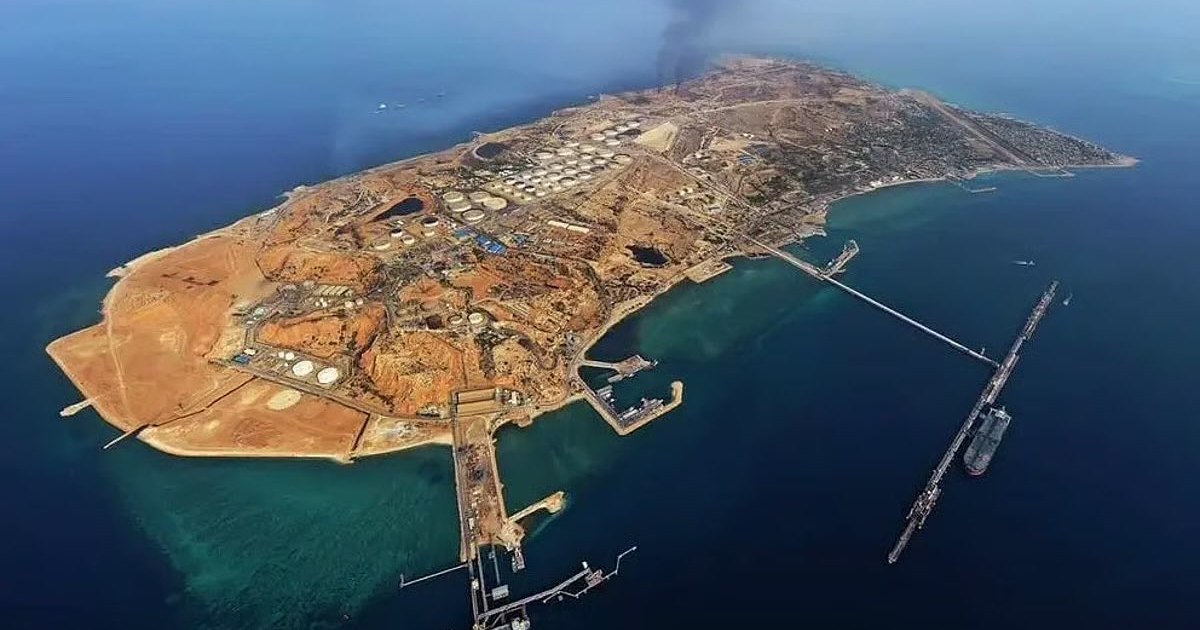
The United States and Iran are facing a major escalation in the Middle East. US President Donald Trump has issued a series of stern warnings to Tehran, directly threatening to seize control of the country's energy infrastructure, particularly Kharg Island, the Iranian regime's main oil export hub.
Kharg Island/PHOTO:X
The statements come in the context in which the US military has already carried out two consecutive nights of massive airstrikes on military targets in Iran, in response to Tehran's actions considered aggressive.
The “Venezuelan” strategy and new threats of disproportionate strikes
Through a post on the Truth Social platform, Donald Trump suggested that Washington could apply in Iran a model similar to the one used in relation to Venezuela's hydrocarbon reserves. “In the not too distant future, we will take control of Kharg Island and other strategic oil infrastructure points, assuming total control of their oil and gas markets,” the White House leader said.
Although the US Central Command (CENTCOM) confirmed that the wave of attacks had temporarily stopped during Thursday morning, Trump warned, in an intervention on Fox News, that the bombings will be resumed with increased intensity if Tehran refuses to sign a new diplomatic agreement. According to US officials, 49 Tomahawk missiles were launched in the first phase, targeting air defense systems, radars and drone command centers, including within just 40 miles of the capital Tehran.
Tehran threatens SpaceX infrastructure
Iran's reaction was not long in coming. Tehran's state media, including the Fars news agency, announced that the SpaceX and Starlink facilities in the Middle East, controlled by Elon Musk, would now be considered “military targets”. The regime accuses these technologies of supporting US and Israeli military logistics.
Tehran also claimed to have temporarily blocked the Strait of Hormuz and launched retaliatory attacks on US bases in Jordan, Kuwait and Bahrain. In Bahrain, the interior ministry reported the injury of a minor and property damage following the interception of Iranian drones.
Iranian Foreign Minister Abbas Araghchi strongly condemned the US attacks and warned Gulf states hosting US bases that they risk being seen as complicit in the aggression. For his part, President Masoud Pezeshkian described the threats to civil and water infrastructure as “a sign of desperation” on the part of Washington.
Negotiations under the pressure of bombs
Despite the highly aggressive rhetoric and tit-for-tat attacks, diplomatic channels do not appear to be completely blocked. Qatari mediators rushed to Tehran in an attempt to save the ceasefire agreement.
US Secretary of War Pete Hegseth summed up the administration's current approach in Washington in a stark message to the troops: The United States is willing to “negotiate through bombs” if Tehran delays a final response. However, Donald Trump later played down the situation, saying on social media that a peace deal remains a viable option, with the two sides being, in his view, “very close” to a compromise.