High voltages. Donald Trump, harsh reproaches and trivial language in a telephone conversation with Benjamin Netanyahu. The stake, the peace agreement with Iran

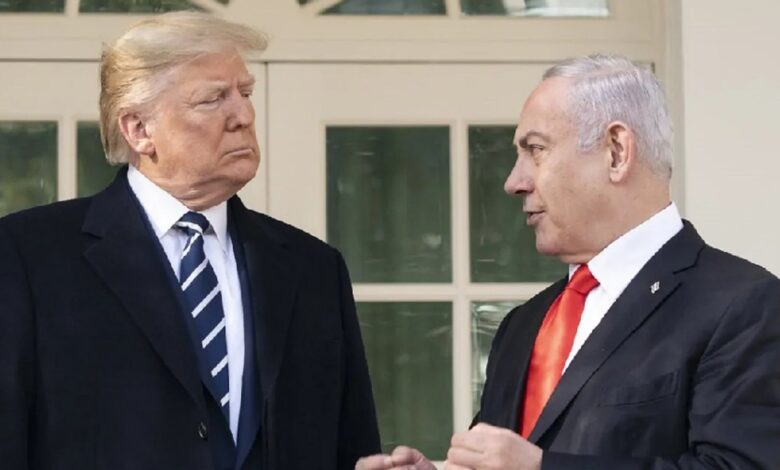
Relations between Washington and Tel Aviv are going through a moment of extreme tension. Recently released details reveal a tense telephone conversation marked by extremely harsh language between US President Donald Trump and Israeli Prime Minister Benjamin Netanyahu. The exchange of words took place just before the White House leader's announcement of an attempted cease-fire between Israel and the Hezbollah group.
Donald Trump and Benjamin Netanyahu/PHOTO: EPA/EFE
Trump's reproaches: “I saved you from prison”
According to sources cited by the Axios publication, Donald Trump reacted vehemently to Israel's military strategy in Lebanon. During the call, the US president allegedly asked Netanyahu directly: “What the hell are you doing?”, later accusing him of ingratitude.
According to diplomatic sources, the American leader resorted to blunt language, conveying to the Israeli prime minister that without his political support he would have risked prison and that Tel Aviv's current actions attract the antipathy of the international community. Washington's anger would have been triggered by the belief that the massive attacks on Beirut jeopardize the White House's efforts to broker a far-reaching peace agreement with Iran, writes the Daily Mail.
Later, via the platform Truth Social, Trump nuanced the situation, stating that the Israeli prime minister had withdrawn his troops from a planned major operation in Lebanon and that both sides had agreed to a ceasefire. However, the US president expressed reserved skepticism: “Let's see how long it lasts – hopefully forever!”
Netanyahu shades deal, Tehran blocks dialogue
On the other hand, Benjamin Netanyahu issued an official statement that leaves room for interpretation and seems to partially contradict Washington's optimism. The Israeli prime minister emphasized that he conveyed directly to Trump that Israeli forces will continue to strike terrorist targets in Beirut if Hezbollah does not stop attacks on Israeli towns and citizens.
All the while, the regional equation is becoming even more complex. Iran's official Tasnim news agency reported that negotiators in Tehran had stopped any exchange of messages with the US, previously carried out through Pakistani intermediaries. Iran conditions the resumption of dialogue on Israel's complete withdrawal from Lebanon and the cessation of operations in the Gaza Strip.
Moreover, regime officials in Tehran have issued stern warnings, threatening to block the Strait of Hormuz altogether and activate other fronts through Houthi rebels in the Strait of Bab al-Mandeb.
Ambivalent signals from the White House
Although American diplomacy is making intense efforts to stabilize the region, Donald Trump's public statements remain wavering. In an interview with CNBC before his upbeat posts, Trump had said he “doesn't care” if talks with Iran fail, calling them “boring”. He later returned, telling NBC that a period of diplomatic silence might be beneficial, before finally claiming that negotiations with the Islamic Republic were moving forward “at a rapid pace.”
On the ground, the situation remains critical. Israeli forces recently marked the deepest military incursion into Lebanese territory in 26 years, seizing control of the medieval Beaufort Castle, a strategic position in southern Lebanon that Israel had not occupied since 2000. This escalation comes in the context of the joint offensive launched by the United States and Israel against Iranian targets earlier this year.