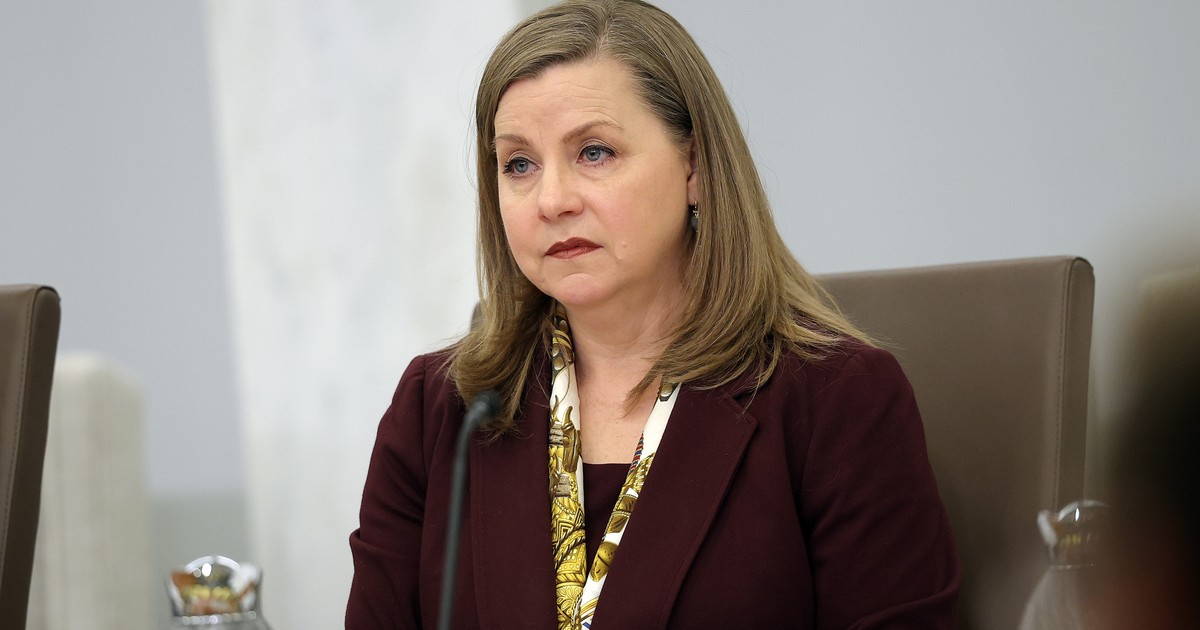
Fed Vice Chair for Supervision Michelle Bowman, known for her cautious approach, noted during a conference in Iceland that conflict in the region may influence its decisions on interest rates. She stressed that if energy supply disruptions persist in the second half of the year, she may reassess inflation risks. According to Bowman, “it will become more likely that I will consider changing my approach to assessing the balance of risks.”
Many Fed officials fear that the current energy shock is not a temporary phenomenon. Inflation in the US has remained above the 2% target for years.which prompts policymakers to consider further tightening of monetary policy. Minneapolis Fed President Neel Kashkari admitted that although there is no certainty yet about the need to raise rates, the current situation requires special attention. “This makes me look even more closely at the risk of further increases in inflation and disruption of inflation expectations,” Kashkari said.
Read also: The US war with Iran is draining wallets. A bill for Americans from Donald Trump
Financial markets predict that The Fed may raise the reference rate from the current range of 3.50-3.75%. before the end of the year. Previously, central bank members had considered cutting rates, but the war in the Middle East and the resulting disruptions in supply chains changed the perspective.
Fed policy in the face of uncertainty
The president of the Philadelphia Fed, Anna Paulson, assessed during a meeting with entrepreneurs in New Jersey that the current monetary policy is “adequately adjusted” to unacceptably high inflation and economic uncertainty. However, she emphasized that the Fed is “ready to act” if the situation requires it. – I think it is good that market participants take into account both scenarios of keeping rates unchanged for a longer period of time and those in which further policy tightening will be necessary – added Paulson.
In turn, the president of the San Francisco Fed, Mary Daly, emphasized in an interview with Fox Business Network that currently sees no urgent need to change interest rates. Daly noted that further decisions would depend on the development of the situation in the Middle East and the impact of the conflict on inflation. “If oil prices start to rise as the conflict continues, then I will change my view on the outlook for the economy in terms of inflation,” Daly said.
See also: Ranking of US states by education. Massachusetts leads the list
Inflation data increases pressure on the Fed
New data released on Friday shows an increase in core inflation in the US. The New York Fed rate increased to 4% in April. from 3.5 percent in March, and prices of goods and services – excluding housing costs – accelerated compared to the previous month. Government data also shows that the consumer spending price index (PCE) rose year-on-year to 3.8 percent in April. from 3.5 percent in March.
Kansas City Fed President Jeffrey Schmid expressed concern during a conference in Iceland high levels of inflation that have long exceeded the central bank's target. He suggested that the Fed should consider using its balance sheet as an additional tool to combat price pressures. “Maybe we should look at the balance sheet again as another tool to tighten policy,” Schmid said.
However, not all Fed members share this approach. Fed Chairman Kevin Warsh expressed skepticism about using the central bank's bond portfolio to support interest rate policy.