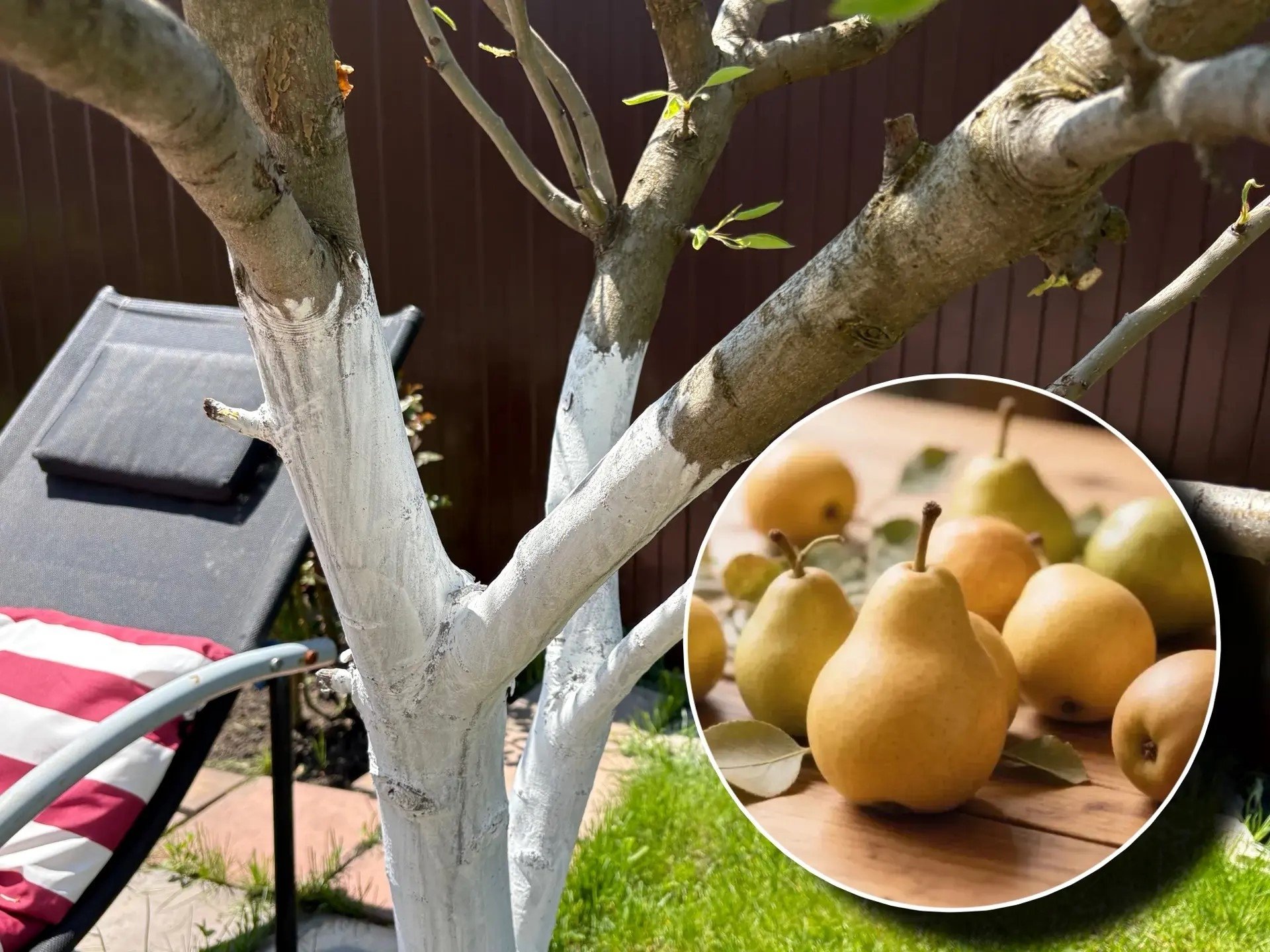
One gardener received only three measly fruits from his pear for eight years in a row. The tree bloomed luxuriantly, but there was no sense. He already wanted to cut it down with a chainsaw out of anger. But then an agronomist came to his plot and explained the reason. Juniper, plums and barberries grew around the pear – real enemies of the fruit tree. The first infects with rust, the second takes away nutrition, the third interferes with pollination and creates shadow.
The gardener decided to give the tree one last chance and replace its neighbors with useful plants.
First the juniper was removed. In its place, raspberries were planted two meters from the trunk. It attracts bees and repels pests. Then they added currants from the north side – its roots are higher than those of the pear, so there is no competition.
By the end of the first season, the harvest had grown from three fruits to twelve. The taste has become sweeter and the fruits are larger.
Five useful neighbors for a pear
- Raspberry – attracts pollinators, suppresses scab.
- Currants – take nutrition from the top layer without interfering with the pear.
- Apple tree is a related crop that improves fruit set.
- Grapes – extracts water and minerals from a two-meter depth.
- Marigolds – repel aphids and codling moths with a pungent odor.
All these plants occupy different soil levels and do not compete with each other.
“In 2018, I harvested the first serious 18 kilograms of pears. The fruits became one and a half times larger, a real honey aroma appeared. The pulp became juicy and sweet. By 2019, the harvest grew to 21 kilograms. Since 2020, I have been consistently harvesting 22-25 kilograms annually, regardless of the vagaries of the weather,” shares the summer resident.
Recommendations
In September, plant raspberries and currants. Remove the juniper and replant the plums further away. In spring, plant an apple tree 5–6 meters from the pear and grapes on the south side. Sow marigolds in a circle around the trunk.
For the first two years, new plants need to be watered separately. And after 4–5 years, as verified by personal experience, pears will be collected in buckets.
Based on materials from the Zen channel “About Fazenda. Country Life” (12+).
Read also how to get rid of dandelions without chemicals or a shovel.