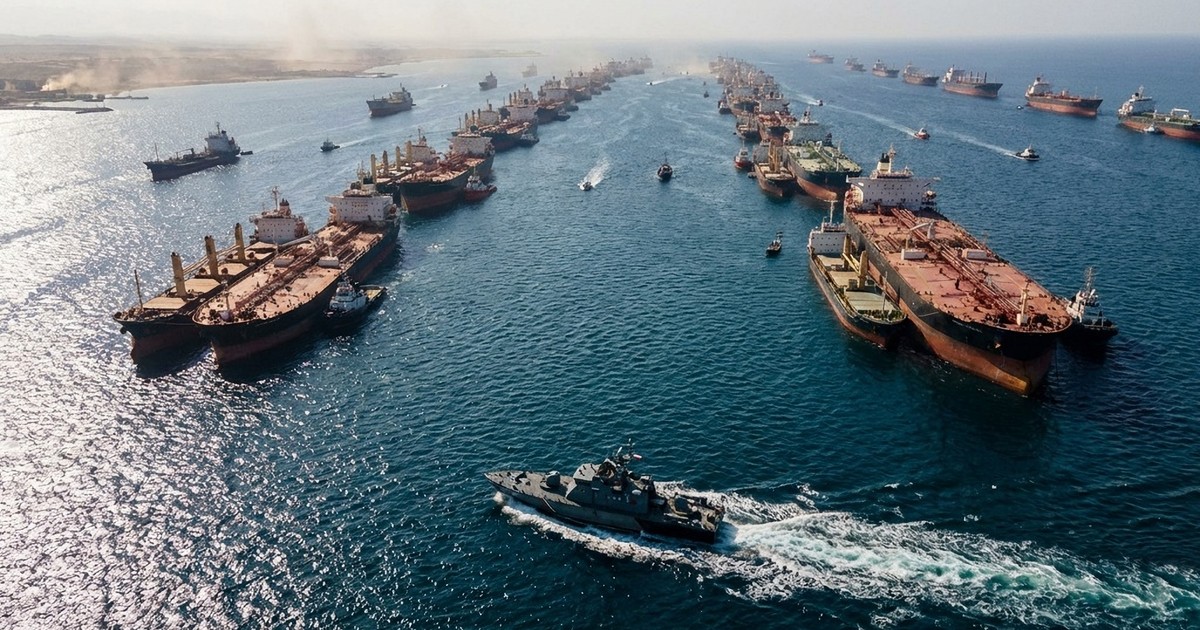
Blockade of the Strait of Hormuz, through which approximately 20% of world supplies of raw materials, was introduced by Tehran in response to the military actions of Israel and the USA that began on February 28.
Read also: A must-have for savers: how to invest money wisely in May 2026?
The effects of this step were felt all over the world – fuel prices increased dramatically, and in some Asian countries it was necessary to introduce sales rationing.
Oil supplies are running out
Amin Nasser, head of Saudi Aramco, emphasized in an interview for Reuters that the current situation is the result not only of recent conflicts, but also of many years of neglect.
“Reopening the routes is not the same as normalizing the market, which has been deprived of approximately 1 billion barrels of oil. Years of underinvestment have added to the strain on already low global stocks” – said the executive director of the Saudi giant.
Despite enormous stresses in the system, Saudi Aramco managed to maintain operational continuity, which translated into excellent financial results. In the first quarter of 2026, the company recorded a 25% increase in net profit. “Our goal is simple: to keep energy flowing, even if the system is under load,” Nasser declared.
Read also: Germany is negotiating the purchase of Tomahawk missiles. There will be a mission in the USA
Saudi 'emergency pipeline'. An uncertain truce and the specter of new control
The key to bypassing the Hormuz blockade turned out to be Saudi Arabia's land infrastructure. The company used the East-West pipeline, transporting oil directly to ports on the Red Sea. Nasser described the route as a “key source of salvation” in the face of a global supply crisis.
Currently, there is a truce between the US and Iran, which is intended to allow for the development of conditions for unblocking maritime transport. However, the situation remains tense. As reported by Iran's Tasnim news agency, The parliament in Tehran is preparing a bill to formalize Iranian control over the Strait of Hormuz.
The new regulations may permanently change the rules of navigation in this region. The project includes, among others: introduction of a passage ban for ships belonging to “enemy countries”, which may mean that despite the end of open fighting, the energy market will have to face the permanent destabilization of one of the most important trade routes in the world.