
Income from Pokemon? I found an alternative to the stock exchange

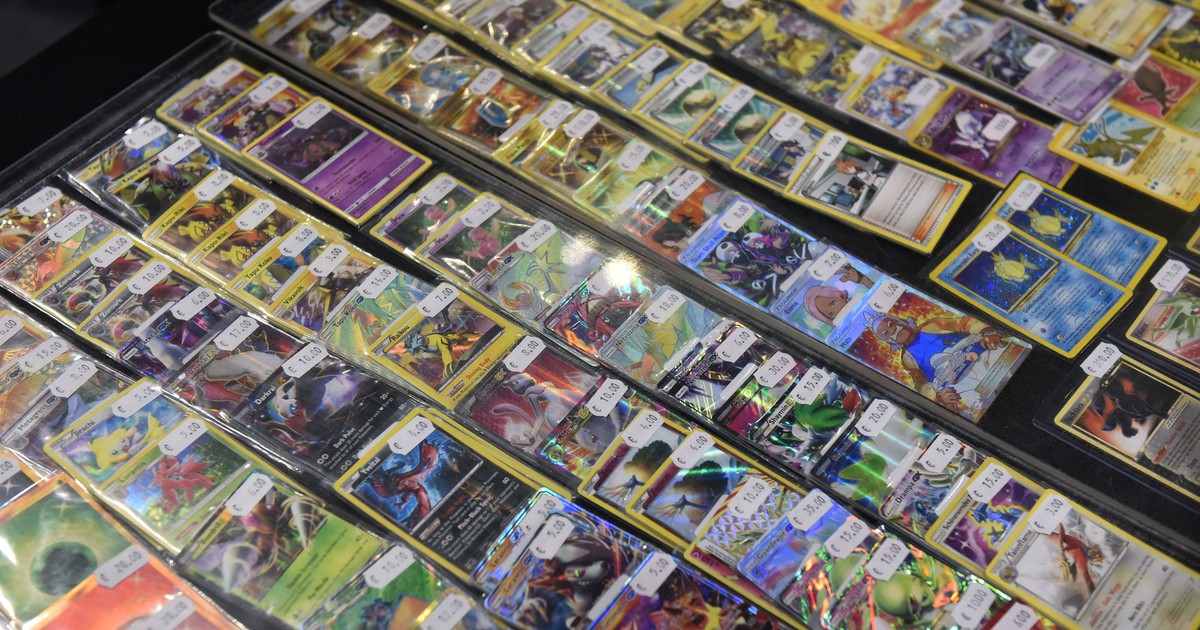
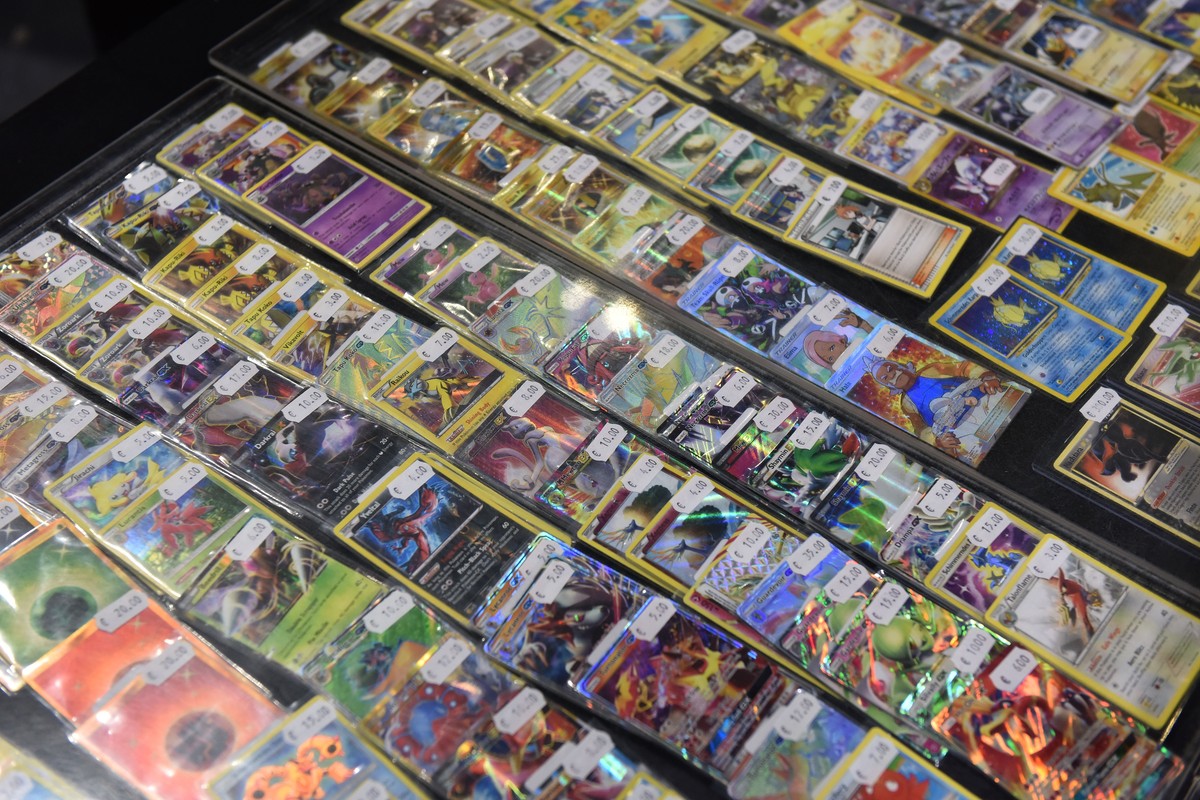
I'm not a financial advisor, but I am a lawyer who has spent enough time around the markets to know how unpredictable they can be.
I recently had some extra cash and wanted to invest it in something special. I didn't want to put my money into the volatile stock market, bonds, cryptocurrencies or even real estate. When I ran out of ideas, I turned to an unexpected guide for help and found an even more unexpected answer.
Read also in BUSINESS INSIDER
I turned to AI to help me invest
AI has been serving me well lately—helping me plan trips, organize my work, and even write better—so I wanted to see what it could do when it came to finances. I entered ChatGPT with a simple request: “Give me something creative to invest in that most people wouldn't think of.
He began his response with a disclaimer: “This is in no way financial advice.”
After some thought, the AI confidently advised me to buy trading cards – Pokémon cards, specifically.
At first I laughed. It sounded like the beginning of a bad meme: AI giving you advice that a ten-year-old could come up with. But the more I talked to the bot, the more serious this plan sounded.
ChatGPT listed reasons such as rarity, cultural value, nostalgia-driven demand, and even the durability of intellectual property. He also cited data showing that the cards can match the returns of the S&P 500 index.
In short: AI offered me a hedge fund made of cardboard and childhood.
See also: Companies paying the highest monthly dividend. Build a wallet that pays every 30 days [GOTOWE PORTFOLIO]
I fell down the Pokémon investing rabbit hole
The world of Pokémon cards turned out to be much more complex than I expected. There are first editions from the late 1990s, Japanese exclusives, holographic “shadowless” variants, and reissues that only collectors can tell the difference. The market operates based on rarity and condition – the slightest scratch or shifted print can reduce the value of the card by half.
Professional grading companies, such as PSA, Beckett or CGC, examine every detail and award grades from 1 to 10. A perfect “Gem Mint 10” graded card can cost thousands, sometimes tens of thousands of dollars. Even new releases are rated, bought and resold within days – a kind of nostalgia-fueled day trading.
Sealed “booster packs” and sealed starter kits have become a separate asset class. Collectors buy them for their potential alone – with the hope that there's a rare card hidden inside. Prices rise as sealed boxes become harder to find.
Online tools today track card prices and indexes in sealed sets that look like stock charts — tracking Charizard's growth like Apple stock. I felt less like a kid collecting cards and more like an investor on a miniature Wall Street, fueled by nostalgia instead of earnings reports.
I found my old cards and hunted for new ones
I had to start with something that wasn't too expensive. Since I was going to follow ChatGPT's investing advice, it made sense to start with as low a risk as possible – so that I wouldn't regret trusting the chatbot with my money.
First I called my mother in Mexico. I was sure there was a shoebox full of Pokémon cards somewhere under my old bed – one that every millennial secretly hopes has survived. She found them, still taped over, and sent me the photos.
Most of the cards were in poor condition, but one stood out: Eon Ticketa promotional card from the Ruby & Sapphire era that collectors trade among themselves for a pretty penny. I listed it on eBay for $300. (over PLN 1,000).
Then I started looking for new cards myself. I thought it would be easy, like twenty years ago when they were sold in every store. It wasn't. After visiting several stores in London, I finally found two starter kits – both of the latest editions and among the most common ones.
I decided the best way to test the ChatGPT idea would be to not open them, just leave them sealed and see if they gain value over time.
AI may not understand markets, but it understands us
At some point I realized that The AI didn't give me a wrong answer at all. It just reflected us like in a mirror – our obsession with nostalgia, collecting and owning little pieces of the past.
AI may not understand markets the way we do, but it does understand patterns – how emotions drive value, how stories become currency, and how scarcity turns sentiment into profit.
He probably didn't tell me to buy Pokémon cards because it's the new bitcoin. This told me because they symbolize the same thing that every market is based on: faith.
I'm not saying you should invest in Pokémon cards (though if you find an Eon Ticket somewhere, it might be worth a look on eBay). But sometimes even the smartest algorithm in the room leads you back to something surprisingly human.
Note: the information contained in the text is for informational purposes only and does not constitute an investment recommendation, information recommending or suggesting an investment strategy within the meaning of applicable regulations, or any other form of advice regarding the purchase or sale of financial products.
The above text is a translation from American edition of Business Insider


