He launches his retaliatory campaign in Indiana on Tuesday, trying to unseat eight Republican state legislators who blocked his redistricting plan.
Then he moves to Louisiana and Kentucky, where he supports the competitors of two of his long-time opponents – Senator Bill Cassidy and Congressman Thomas Massie, whom he has wanted to remove from politics for years. Trump also named his favorites in the crowded Republican primaries for Senate in Alabama and for governor of Georgia.
The results will show how effective the president's political machine is in mobilizing Republican voters when his name is not on the ballot, and how much MAGA supporters are willing to support his next campaign of revenge.
Former Republican congressman Adam Kinzinger, a frequent target of Trump's attacks who left Congress after backlash over his vote to impeach the president in 2021, put it this way: In his view, Trump has already reached the maximum of his political power and is now seeing the beginning of its decline. He also added that “This may be the last election cycle in which Trump will have a real impact on his own future, and his voters are starting to think more and more about what will happen next..
Trump has a long history of successfully eliminating his opponents in Congress, supporting his critics' rivals in the primaries and using social media and his position to create such a hostile political environment that many of his opponents simply gave up on their careers.
Republican candidates have been courting — and still almost tripping over each other — for years just to avoid getting on the wrong side of his wrath.
White House spokesman Davis Ingle emphasizes that Trump's support is the most influential support in the history of American politics and that its effectiveness speaks for itself.
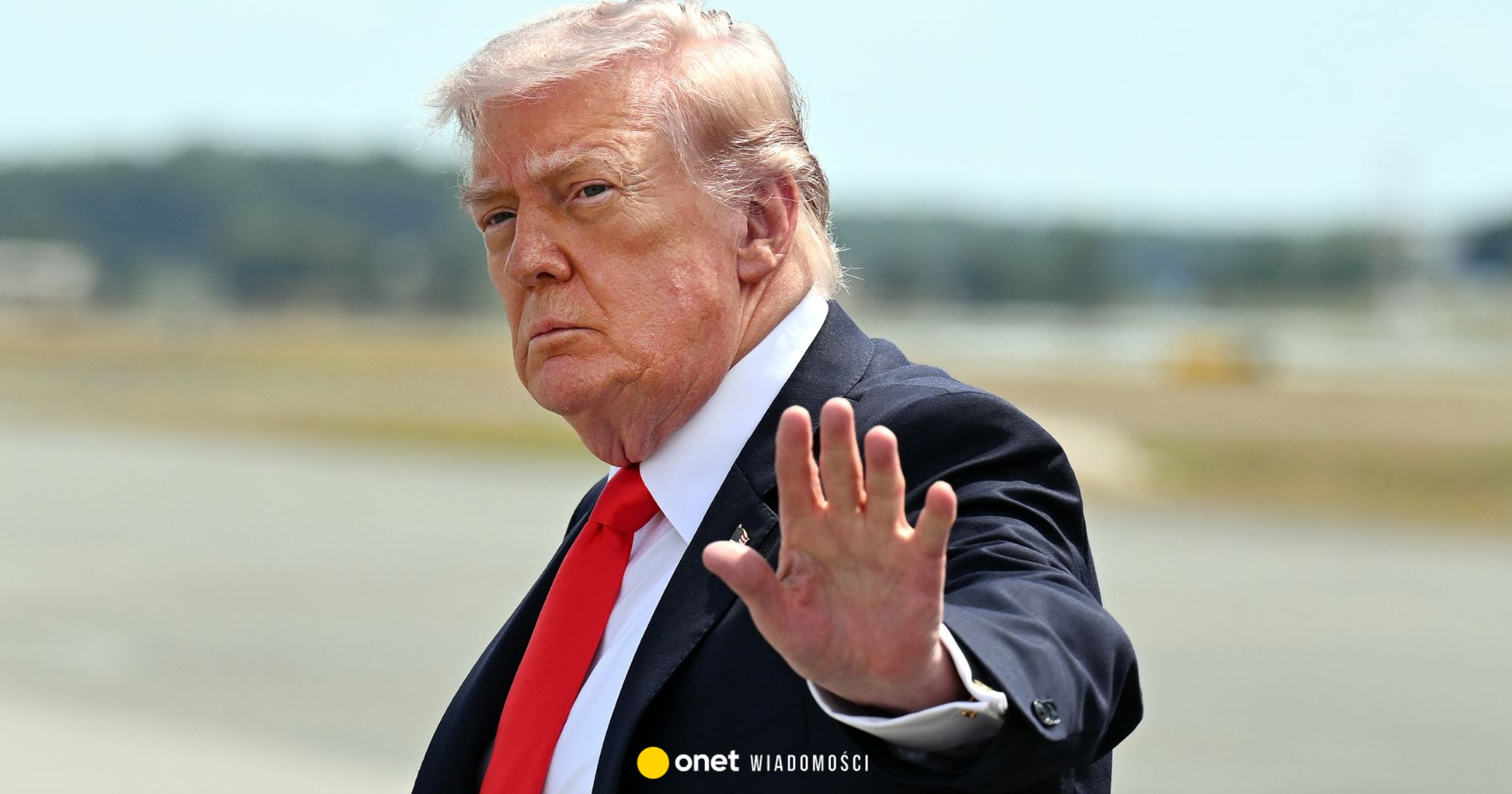
Donald TrumpRoberto Schmidt / Stringer / Getty Images
Despite this, his record in close races is very uneven. His candidates defeated some of his biggest opponents in the Republican primary, including former congresswoman Liz Cheney and other politicians who supported his impeachment during his first term.
On the other hand, Trump also suffered several high-profile defeats – he failed to remove Georgia Governor Brian Kemp, and some of his candidates lost congressional elections, such as Senator Luther Strange in Alabama or scandal-embroiled Congressman Madison Cawthorn in North Carolina.
Success will be even more difficult in this cycle.
The May elections come as Trump wages an unpopular war in Iran that is hurting voters' pockets at the gas pump, as dissatisfaction with his economic and migration policies grows and his approval ratings continue to decline.
One of the Republican strategists working on the Senate race in Alabama admitted anonymously that Trump's support simply stops convincing voters. He pointed out that when someone supports more than 800 people within 10 years, his influence naturally weakens.
May 5: Indiana
In the face of growing disputes over the division of electoral districts, Tuesday's elections will show whether the president still maintains control over the Republican coalition.
Although the White House and its allies launched a full political machine against eight Indiana legislators — spending a total of almost $10 million. (approx. PLN 40 million) — expectations of complete success are increasingly lowered. Critics say the strategy is chaotic and lacking discipline.
How many incumbent politicians retain their positions will be an important signal for the rest of May.
May 16: Louisiana
Trump-backed congresswoman Julia Letlow is having difficulty gaining a clear advantage in the primaries against Cassidy, who offended MAGA supporters by voting to convict Trump in the 2021 impeachment trial. The latest polls show a very close race for the three candidates.
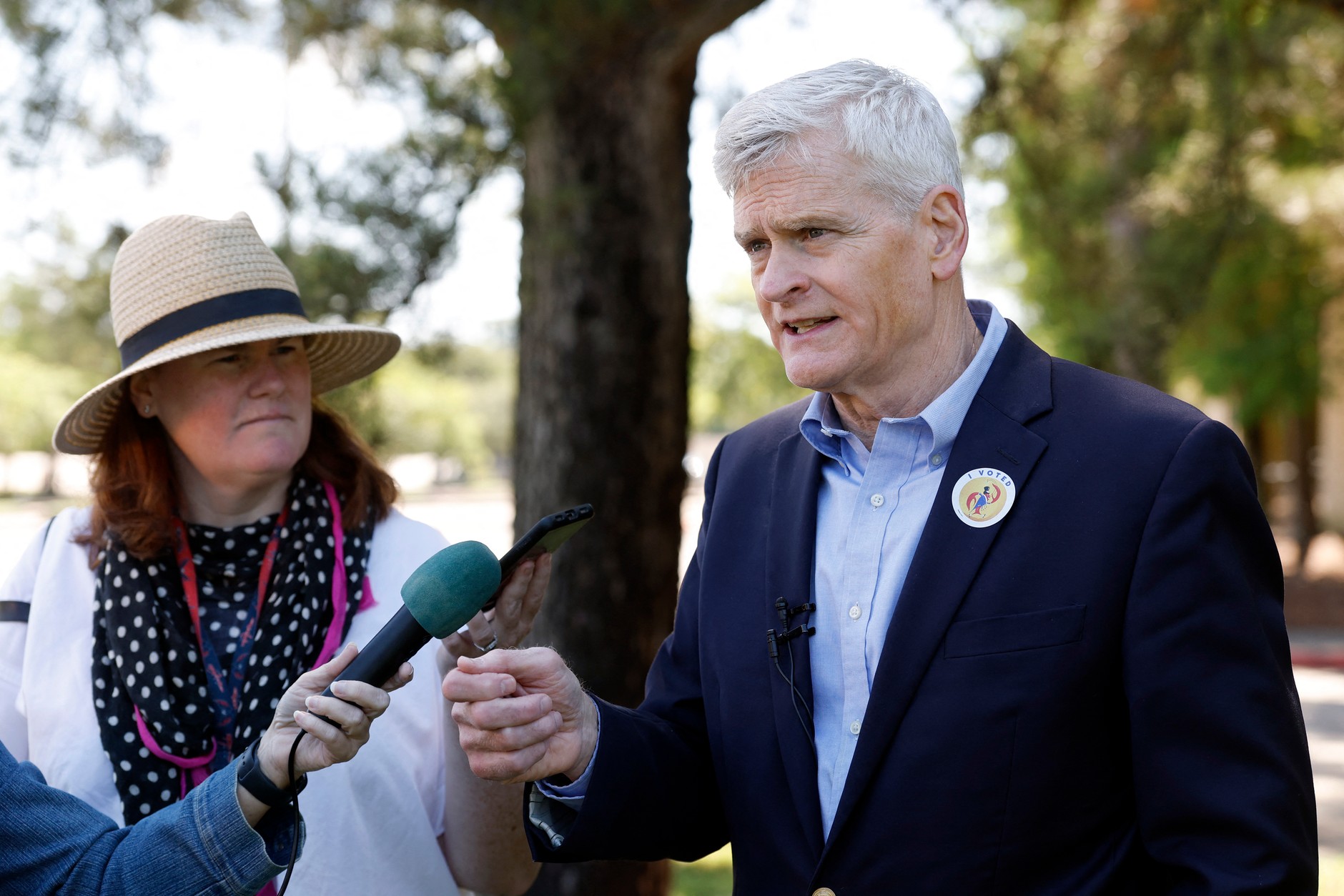
Senator Bill CassidyTyler Kaufman / GETTY IMAGES NORTH AMERICA / Getty Images via AFP / AFP
Letlow ran at Trump's clear encouragement and has the support of Louisiana Governor Jeff Landry and national organizations that have promised financial support — about $1 million. (approx. PLN 4 million).
Still, Trump himself did not commit fully to her campaign — he did not commit his own resources or appear in person in the state to support her.
May 19: Kentucky, Alabama and Georgia
In Kentucky, Trump faces two different challenges: supporting Andy Barr to succeed retiring Sen. Mitch McConnell, while also trying to oust his longtime critic Thomas Massie from the political scene.
Although Trump and his allies have spent over $10 million (about PLN 40 million) on the campaign against Massie, he has so far successfully defended himself and is leading in the polls.
Congressman Thomas Massie poses for a portrait in his office on Capitol Hill, February 12, 2026.Francis Chung / Politico
In Alabama, the situation is less about personal vendetta, but there too, Trump's candidate Barry Moore is struggling to break through in a crowded race.
In Georgia, Trump's support for Burt Jones is also a clear criticism of Secretary of State Brad Raffensperger. But even here, his support has had limited effectiveness — Jones isn't dominating the polls.
May 26: Texas runoff
After the March primaries, Republicans in Washington were waiting for Trump's support for one of the candidates. Ultimately, they didn't get it.
In one of the clearest signs that the MAGA movement is starting to make decisions on its own, Texas Republicans have rallied around Ken Paxton despite his controversies. Polls indicate that even Trump's possible support for his rival would not significantly change the balance of power.
One Republican consultant summed it up succinctly: Trump's support still matters, but less and less every day.