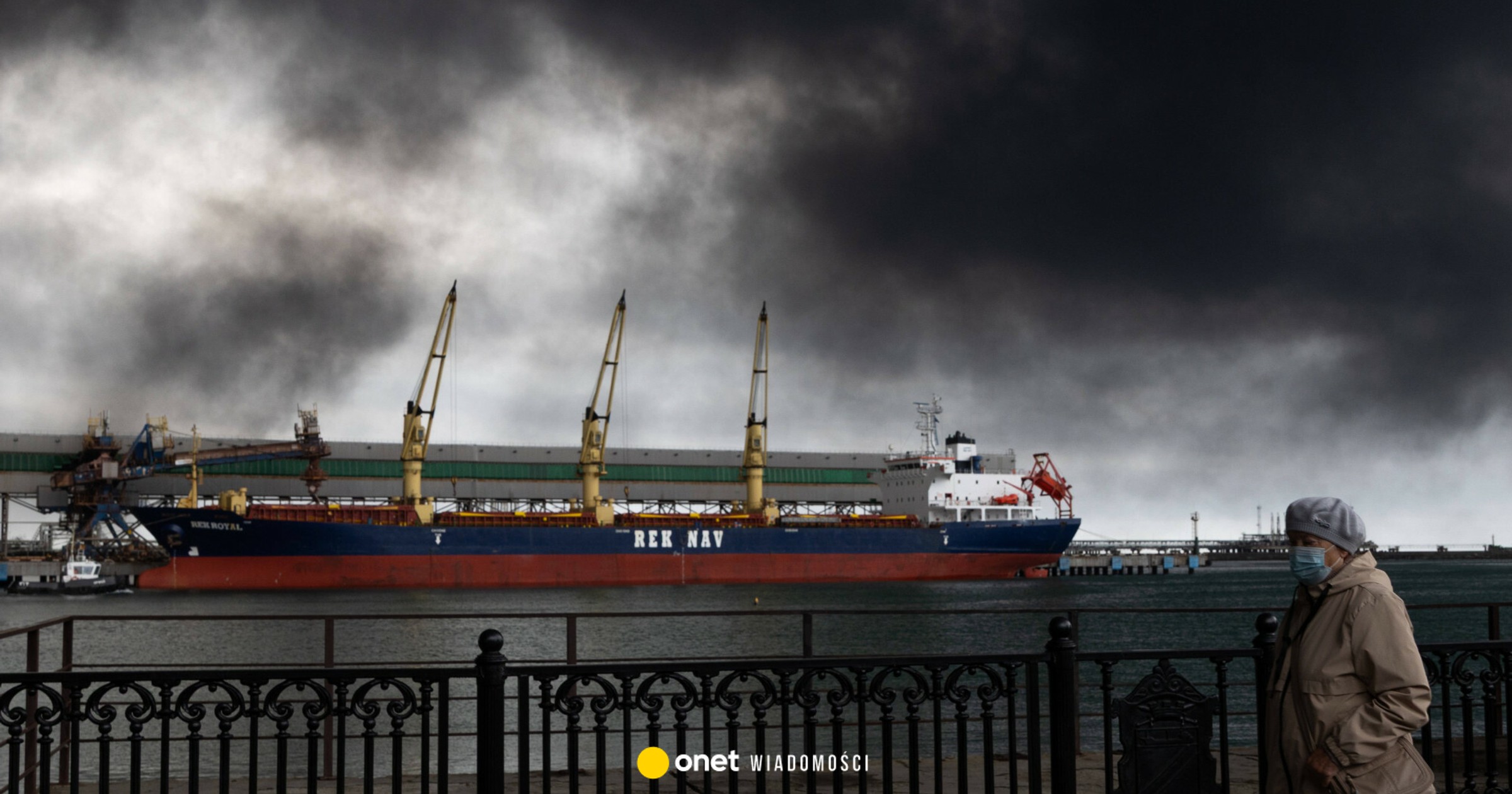
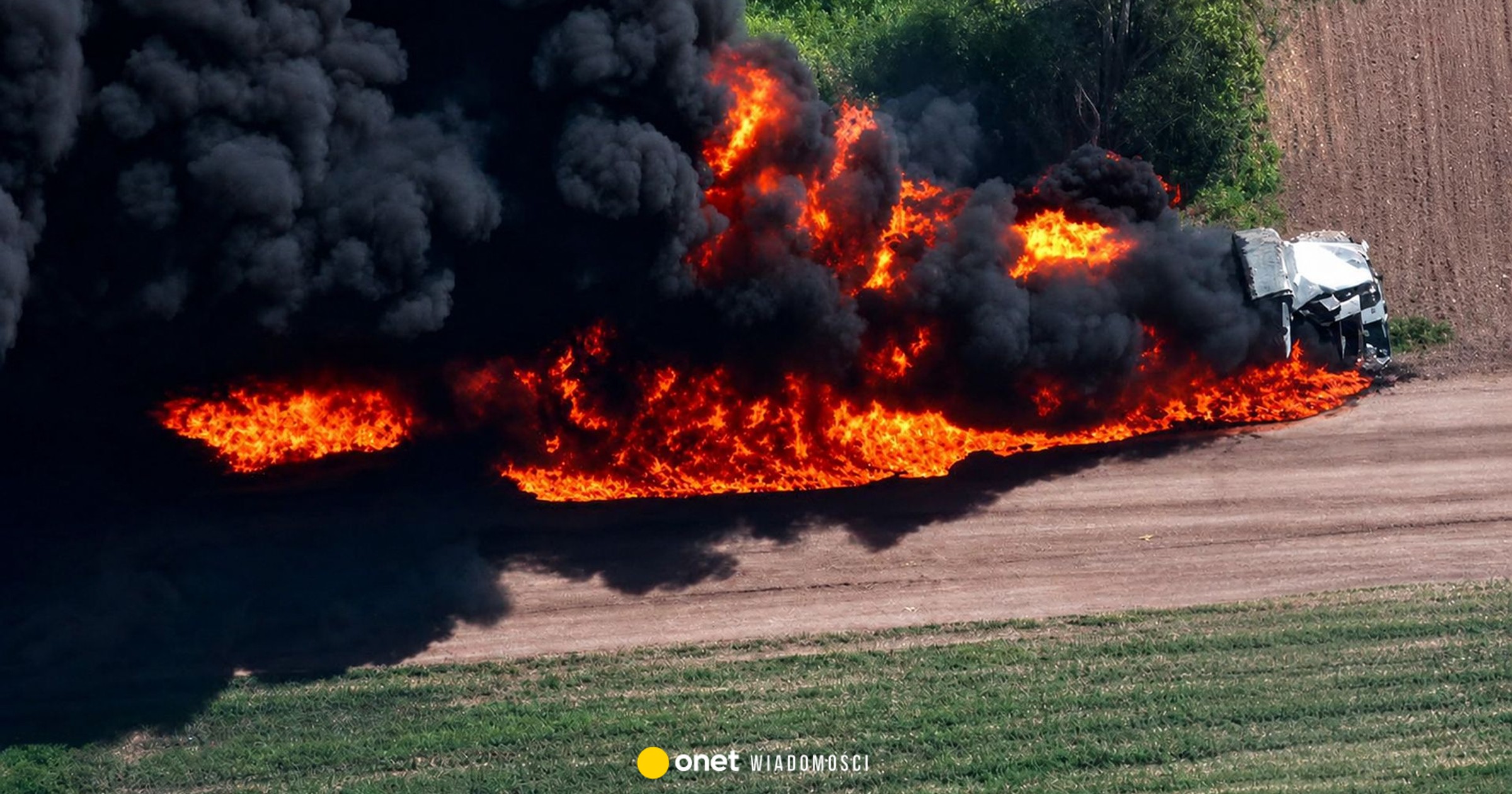
Since the end of March, after bombing by Ukrainian forces, activities have been completely or partially suspended eight Russian plants. Processing was suspended at the plants in Tuapse and Novokujbyshevsk (Rosneft), as well as at the refinery in Kirisha (Surgutneftegaz) and at the Gazprom gas plant in Astrakhan (producing small amounts of gasoline).
The Rosneft plant in Syzran, the joint plant of Rosneft and Gazpromneft in Yaroslavl, the Perm refinery of Lukoil and the Novatek processing complex in Ust-Luga were partially damaged. However, the latter operates only for export and does not produce gasoline.
Nowa Gazeta's analysis shows that approximately 23% of the facilities were taken out of service. crude oil processing capacity in Russia, which accounts for approximately 16%. gasoline production.
— This looks serious and disturbing for the market. The bets are going down, and not just like that! — the co-owner of a regional chain of gas stations tells Novaya Gazeta.
He reminds that the surplus of gasoline production in Russia is no more than 9%. (this is the amount that usually goes to export, which has been banned by the authorities since April to saturate the internal market). This means that the current bombings may lead to full-fledged crisis.
– Plants are regularly bombarded, throughput is falling, the season has started, demand is high – confirms another large trader. He adds that currently, AI-95 deliveries are particularly problematic. About the fact that it is starting to appear on the market fuel shortagethe Kommersant daily also wrote this week, citing analysts and traders.
Fuel deficit
The co-owner of a regional chain of gas stations explains the causes of the upcoming crisis.
It is becoming more and more difficult for chains that do not belong to large oil companies (which account for about 40 percent of fuel sales in Russia) to buy fuel on the International Commodity and Raw Materials Exchange in St. Petersburg. – There is a huge deficit of all types of fuels on the stock exchange – admits the interlocutor.
The shortage is due to the fact that large companies first supply fuel to their own networks of gas stations in the regions where they operate. — Destroyed plants and areas will not be deprived of fuel at the expense of our supplies. This is traditionally the case. Oil companies will ensure supplies, and we will as much as possible, adds the source.
Given that most of the processing capacity is located in the European part of Russia, problems may arise in western Siberia, where there is only one large refinery – Gazpromneft's refinery in Omsk.
— Attacks on refineries and export infrastructure have now moved from a local disruption category to a local disruption category pressure on the system felt on a macroeconomic scale – Tatiana Mitrova, an expert at the Center for Global Energy Policy at Columbia University, tells Novaya Gazeta.
She points to statistics from the International Energy Agency (IEA), which confirm that the bombing of ports and plants limits the sales opportunities of companies that have nowhere to send some of their raw materials. This has already caused oil production in Russia to drop by a noticeable 5%, or 460,000, in April 2026 (compared to April 2025). barrels per day.
The article continues below the video
Scenarios for Russia
He suffered even more export of petroleum products — according to IEA statistics, it fell to a historic low of 2.15 million barrels per day, after averaging 2.5 million barrels per day in 2025.
Despite all these problems, it is still premature to talk about a fuel deficit across the country. – But the risk of significant tensions is already quite real – says Mitrowa. Currently, “the scenario of local disturbances, pressure on wholesale prices and deterioration of the situation of independent players is more likely than a nationwide deficit,” says the expert.
— The main threat to the domestic market is not currently empty gas stations across the country, but the functioning of the system with a sharply reduced safety margin. In the case of AI-95 gasoline, there are already signs of tension in the exchange segment. The state will most likely continue to administratively maintain the domestic market through export restrictions and manual redistribution of flows, he adds.
This is exactly what the authorities are currently doing. First, from April 2 to July 31, the Russian government banned all market participants from exporting gasoline. Such bans traditionally do not apply to diesel oil, of which Russian refineries produce twice as much as the domestic market demand.
Secondly, the doubling of global oil prices has allowed oil companies to win quite a lot from the Ministry of Finance subsidies for oil refining after remaining at an unnoticeable level for several months. Within four months of 2026, they amounted to 563 billion rubles (approx. PLN 28 billion at the current exchange rate). This is the total amount of the payment under the stabilization mechanism, reverse excise duty and investment allowance. The government pays subsidies to oil companies to keep prices of petroleum products low in the domestic market.
I’m Ashley Davis as an editor, I’m committed to upholding the highest standards of integrity and accuracy in every piece we publish. My work is driven by curiosity, a passion for truth, and a belief that journalism plays a crucial role in shaping public discourse. I strive to tell stories that not only inform but also inspire action and conversation.