2026-03-10 20:18, updated 2026-03-10 20:32
publication
2026-03-10 20:18
update
2026-03-10 20:32
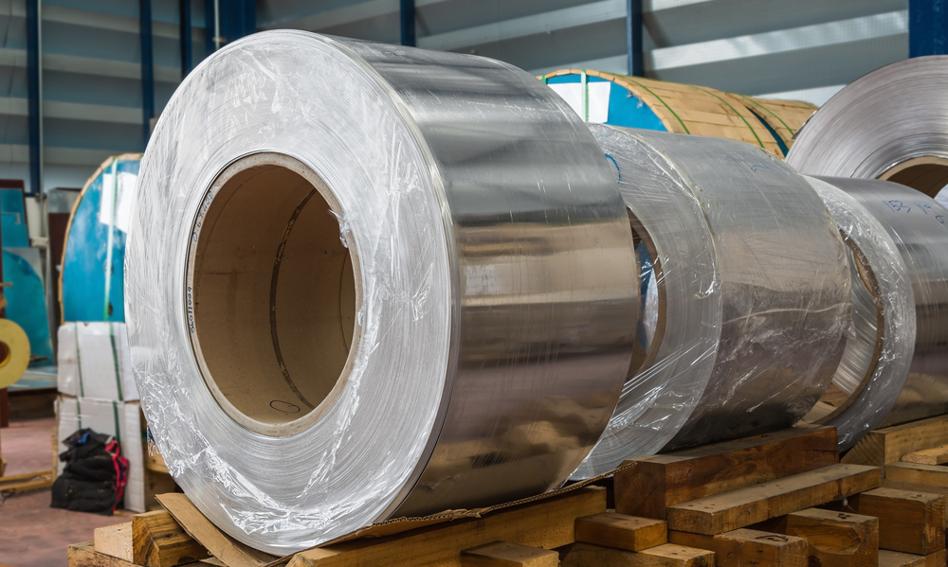
Aluminum prices on world markets exceeded PLN 3.5 thousand. dollars per tonne, this is the highest level in four years – indicated the authors of the report from the Analysis Center of PKO Bank Polski. One of the reasons for the increase was the sudden increase in oil prices caused by the situation in the Middle East.
PKO BP experts pointed out that aluminum prices on the London Metal Exchange (LME) increased to $3,544 per tonnethe highest level in almost 4 years. The increase since the beginning of March was 13% and 18% since the beginning of the year, and one of the reasons for such a large appreciation is the jump in oil prices.
“For comparison: 'doctor copper', under negative pressure from a stronger dollar and the risk of economic deterioration, has lost 3% this month and costs less than USD 13,000 per tonne,” noted the authors of the report.
On Monday, Brent crude oil prices rose by a record 29%. and at its peak it cost almost $120 per barrel, the highest since June 2022.
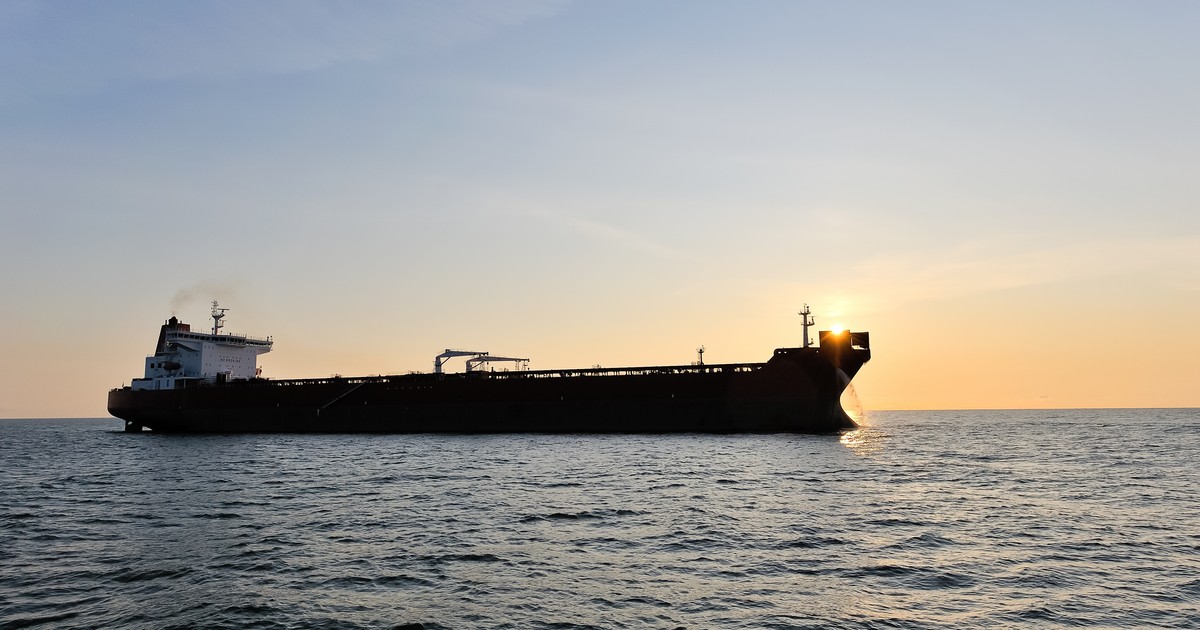
“The market reacted dynamically to the prospect of a prolonged conflict in the Middle East, resulting in, among other things, the blocking of the Strait of Hormuz – a supply route for approximately 20 percent of the world's supply of oil and fuels. Aluminum, on the other hand, is sometimes called “energy in solid form”, because about 40 percent production costs of the so-called primary aluminum is electricity” – indicated in the report.
Paralysis of supplies from the Middle East
Economists pointed out that the second reason for the increase in aluminum prices is the disruption of the supply of the metal in the Middle East. On March 3, Qatar's Qatalum steelworks suspended production due to QatarEnergy stopping gas supplies following an Iranian drone attack. This plant produced almost 650,000. tons of aluminum per year. Aluminum Bahrain also suspended deliveries, which produced over 1.6 million tons of raw material in 2025. Iran and members of the Council of Persian Gulf Countries are responsible for approximately 9 percent in total. world supply of this metal, and if China is not included in it – for approximately 20%. In turn, the global production of primary aluminum in 2025 amounted to almost 74 million tons.
The report also shows that last year the share of producers from the Middle East in European imports of aluminum and its alloys was 21 percent, and in the case of the American market – 22 percent.
“The raw material in LME warehouses is the lowest since July last year. In a Reuters poll from the end of January 2026, the price consensus for this and next year was less than USD 3,000 per tonne. Some Wall Street players already in February revised upwards their aluminum price forecasts for 2026-2027 due to, among others, China reaching the internal production limit of the metal – 45 million tonnes. In addition, the Icelandic steelworks Grundartangi, which produces over 300,000 tons of metal per year, was affected by the failure, the Mozal steelworks with a capacity of approximately 560,000 tons per year is being closed in Mozambique, while Indonesian production is growing slowly,” the bank's experts said.
The specter of a global deficit
The expected global aluminum deficit is estimated by experts at approximately PLN 430,000. tons in 2026 and over 600 thousand tons in 2027.
“A long-term conflict in the Middle East may tighten the raw material market balance and contribute to the appreciation of aluminum. There are bullish forecasts of an increase in the LME benchmark quotations to USD 3.6-3.7 thousand per tonne, and temporarily even above USD 4,000,” PKO BP economists said.
Since February 28, Israel and the US have been conducting airstrikes on Iran. Iran is shelling Israel and other Middle Eastern countries, hitting American military bases in the region as well as civilian infrastructure. The war in the Middle East has practically resulted in the closure of the Strait of Hormuz for sea traffic from the Persian Gulf, mainly supplies from Iran are allowed through. The almost complete stoppage of traffic caused export congestion. (PAP)
gkc/ mick/