2026-04-28 08:25
publication
2026-04-28 08:25
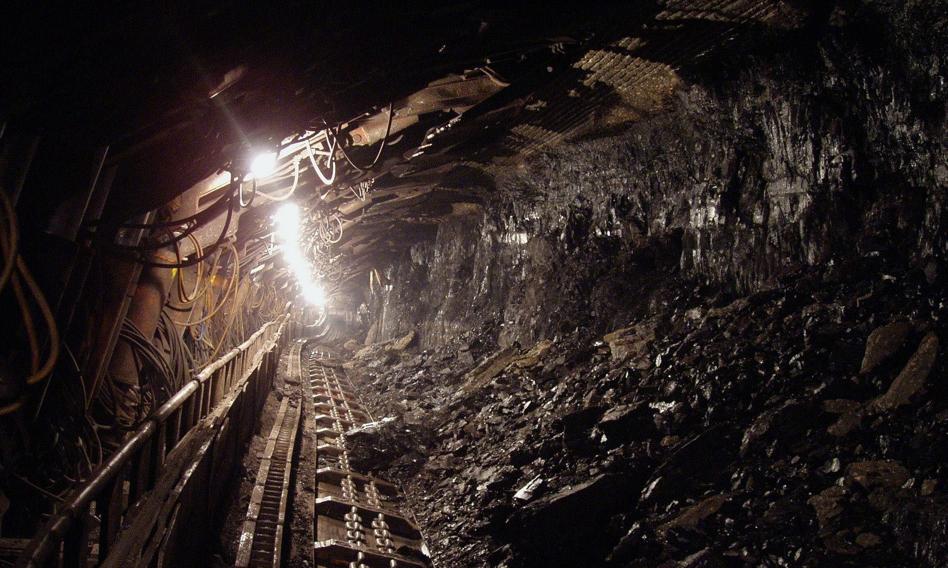
In the spring of 2026, the occupied Luhansk Oblast is facing a massive economic and social crisis. About 1,200 miners were left without work overnight after the closure of three key mines in March: “Czerwony Partyzant”, “Dołżańska-Kapitalna” and the mine. JM Sverdlov. This situation sheds light on a much broader problem of the Russian coal sector and the failure of attempts to resuscitate the economy in the occupied territories.
Financial disaster of “Donskie Węgli”
The catalyst for the current crisis is the collapse of the Rostov company Donskie Ugli (Dońskie Węgle), to which as many as ten Luhansk mines were leased in 2024. This experiment quickly turned out to be an economic failure. Already in 2025, the company returned seven out of ten plants to the local authorities due to the complete unprofitability of mining.
The numbers reflecting the company's condition are devastating. In 2025 alone, Donskie Węgle generated a net loss of 11.2 billion rubles, and the company's total debt increased dramatically, exceeding 25.7 billion rubles. This amount includes, among others: 13.6 billion rubles of short-term loans and 5.7 billion rubles of liabilities to creditors.
In addition, the company is over 99 million rubles in taxes and is facing dozens of lawsuits, including a demand for payment of over 1.14 billion rubles from the General Board for Mine Restructuring (GURSh). Due to the suspension of financing by banks, on February 25, 2026, the company filed for bankruptcy. As a result, local authorities decided to terminate the lease agreements for the last three mines managed by this operator.
People were simply thrown onto the street. Neither our local leader nor the ministry explains anything – says one of the miners from the “Czerwony Partyzant” mine.
Macroeconomics is merciless for Donbas
However, investor problems are only the tip of the iceberg. The situation of the Luhansk mines reflects huge macroeconomic barriers. The chairman of the Independent Trade Union of Coal Industry Workers of Russia (Rosugleprof), Ivan Mokhnachuk, points out that almost all mines in this region are simply permanently unprofitable.
Why is this happening? The answer lies in production costs and the global economic situation:
- predominance of open-pit mines – deep coal mining in Donbas involves huge costs of maintaining ventilation, degassing and safety, while the raw material obtained by open pit mining in Russia's Kuzbas or Siberia is many times cheaper. In Russia, only 20% of coal is currently mined underground;
- collapse of sales markets – Russia is struggling with a significant coal oversupply profile. Due to sanctions, the European market has been closed and the redirection of exports to Asia (mainly China and India) from the western and southern regions is economically unjustified due to the drastically increasing costs of transport logistics;
- drop in raw material prices – coal prices on international markets are falling regularly – in 2025 they decreased by 10% in Europe and 20% in Asia, which additionally affects the profitability of the industry.
Social costs of economic experiments
The economic collapse also has consequences for residents. Miners from the three mines mentioned have not received a single kopeck of remuneration since December 2025. Although on paper they were accrued severance pay and compensation ranging from 250,000 to even 500,000 rubles (from approximately PLN 12,000 to approximately PLN 24,000), no one saw this money physically. The company declared that it would repay debts to employees only “when the funds are transferred to the company's accounts” from the sale of coal reserves from eastern warehouses, which, however, does not cover all liabilities.
Laid-off workers who rejected the offer to go to still operating mines in the Rostov Oblast (Russia) register at labor offices, where they are offered positions with a salary of 30,000 rubles a month (approx. PLN 1,450). The situation is particularly dramatic in the case of women previously working in the mining sector, for whom there are currently no vacancies on the local labor market.
The Donskie Ugli company was registered in Rostov-on-Don in 2020. The owners of the company are Vitaly Donchenko (5%) and Oleg Knyazev (95%). Before the creation of the Northern Military District, the company traded coal in southern Russia. Last November, the company asked Moscow for 40 billion rubles (approx. PLN 1.9 billion) in aid from the National Welfare Fund to prevent the closure of the mines.
ed.