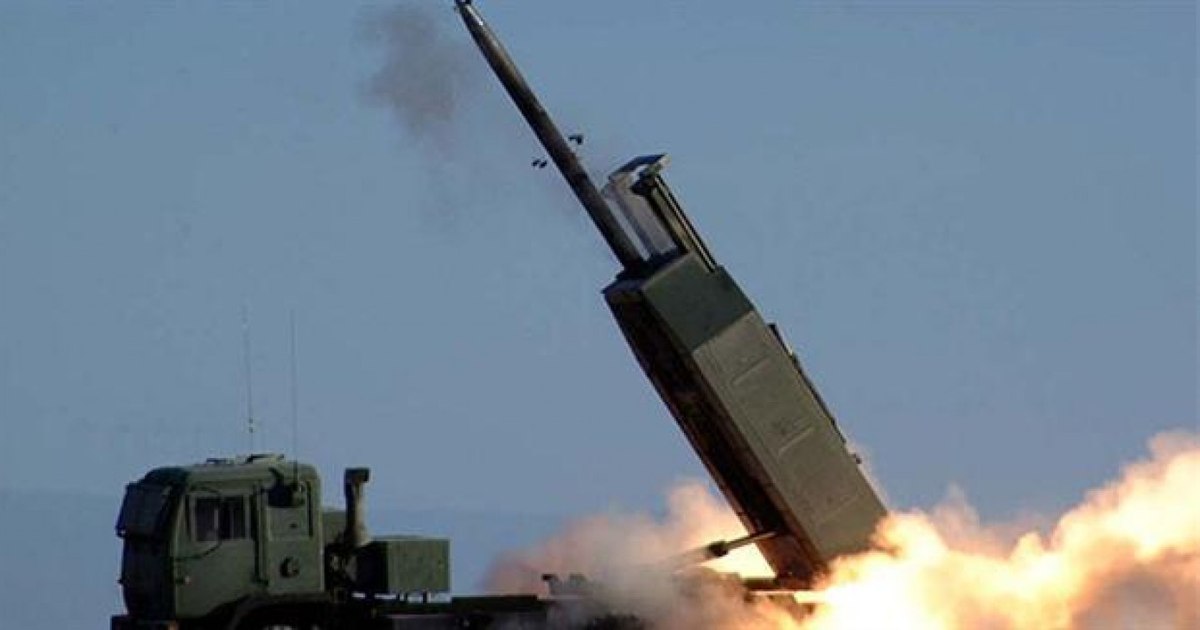
The United States military is testing a change in approach to the use of HIMARS missile systems, a decision that raises questions about the effectiveness and vulnerability of these platforms on the battlefield.
HIMARS/FOTOX system
The experience of the war in Ukraine confirmed one of the main advantages of these systems: the “hit and go” tactic, based on high mobility and rapid reloading through the complete replacement of ammunition containers. Typically, launchers such as HIMARS or the M270 MLRS are powered by preloaded modules—either six GMLRS missiles, two PrSMs, or one ATACMS missile—which significantly reduces the time spent in exposed positions.
However, the Pentagon is experimenting with an alternative method: manually loading, rocket by rocket, new 120 mm ammunition developed under the Direct Support Fires Technology program. The tests took place at the Fort Sill military base, where personnel practiced this unconventional procedure.
The idea is to reduce logistical pressure
According to analysts at Defense Express, the idea is to reduce logistical pressure — shipping smaller, more compact missiles could be simpler than shipping complete modules from the factory. However, the approach is reminiscent of Soviet systems such as the BM-21 Grad, where manual loading was the norm.
However, experts warn of clear risks. First, the reload time would be greatly increased, which would force the launchers to stay in the same position longer—making them easier targets to detect and hit. Second, the new 120 mm rockets have a shorter range, estimated at 30–40 kilometers, which could force them closer to the front line. In addition, the original concept of modular loading was designed precisely to limit the need for personnel and equipment in exposed areas.
There are, however, scenarios where this method could be useful. Experts suggest that manual loading could be used in areas behind the front as a logistical solution or as an alternative in the event of automated systems failing. Also, the small size of these missiles makes it possible to handle them individually — unlike larger munitions, where manual intervention is not realistic.
The bottom line is a balanced one: while it might offer flexibility and a backup option, manual loading reduces reaction speed, impairs automation, and can increase operational risks for the crews involved.
In a broader context, former Ukrainian military commander Valerii Zalujnyi, now ambassador in London, said that the lack of access to satellite information limited Ukraine's full use of HIMARS-type systems.