
Philip Morris Romania accelerates the transition towards water circularity, in line with the global strategy of Philip Morris International

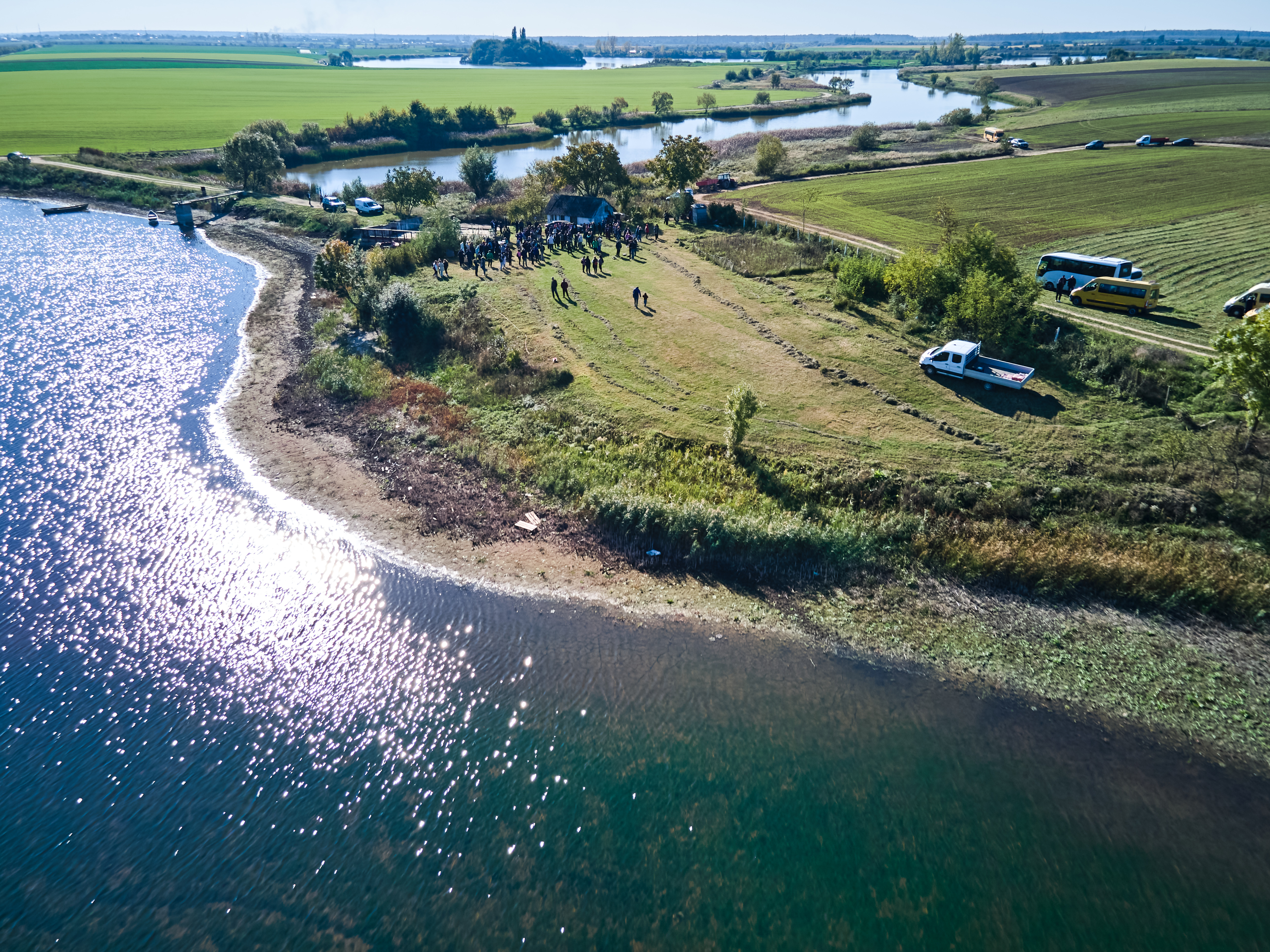
In a world where water is becoming increasingly precious, there are initiatives that show that caring for resources actually means caring for people. And when you discover how technology, responsibility and collaboration can turn every drop into a resource that flows back into the community, you understand that the future of water depends on the choices we make today.
An ambitious global objective and its implementation in Romania
On International Water Day, Philip Morris Romania brings to the fore an essential theme for the industry: transforming the way water resources are managed and used sustainably. At Philip Morris International (PMI), achieving 100% water circularity by 2033 represents a strategic commitment to move from a linear consumption model to a circular system, where water is used responsibly, losses are minimized, and wastewater is treated, reused and reintroduced into internal processes or ecosystems, generating measurable benefits for communities and the environment.
In Romania, the company transposes this vision by implementing the principles of the Alliance for Water Stewardship (AWS), an internationally recognized framework that promotes the sustainable use of water, maintaining its quality and responsible collaboration with local actors. The adoption of the AWS policy is not just a formality, but an integrated element in the factory's operational decisions: optimizing consumption, protecting resources and developing joint projects in areas where water management is critical.
The role of Philip Morris Romania becomes even more important in the context of the international pilot carried out by PMI in Romania, Italy, Greece, Turkey and Indonesia, a program that tests advanced solutions, from technological reuse and recovery of treated waters, to hydrological restoration and the transfer of benefits to local communities (water restoration). Through its participation, PMR provides technical data necessary for modeling water flows, for quality assessment and for identifying concrete opportunities for reuse. These contributions form the basis of defining the minimum requirements that will be applied to all PMI factories, thus accelerating the transition of the entire group towards a circular industrial model.
Local actions, measurable impact and strategic directions
In day-to-day operations, the Romanian factory is already taking essential actions to reduce pressure on resources. Detailed analyzes on the reuse of treated wastewater, in full alignment with applicable regulations, have been integrated into internal processes, demonstrating the interest in water recovery at site level. In parallel, Philip Morris Romania continuously evaluates the opportunities to eliminate losses and optimize consumption, the results being included in risk assessments and management plans for water and biodiversity. Rigorous monitoring of waste water quality and strict compliance with the rules on treatment and discharge into the public system complete this set of measures, confirming a responsible and predictable approach.
A decisive step in this direction was the water circularity study, carried out, at the end of 2025, for Philip Morris Romania, by the Bucharest Technical University of Construction, the Faculty of Hydroengineering and Water Resources Management, in collaboration with the Green Academy. The document provides a complete x-ray of how the resource is used, treated and reintroduced into operational flows and simultaneously analyzes the state of water bodies in the catchment and the associated risks, such as pollution, periods of drought, episodes of flooding or limitations of local infrastructure. The study also identifies the real potential for reuse of treated waters, from technological uses to filling domestic needs, and at the same time evaluates the risks and technical measures required for a safe implementation. The collaborative dimension is not ignored: the degree of stakeholder involvement and potential joint projects are analyzed as key elements for the future evolution of the factory and the local ecosystem.
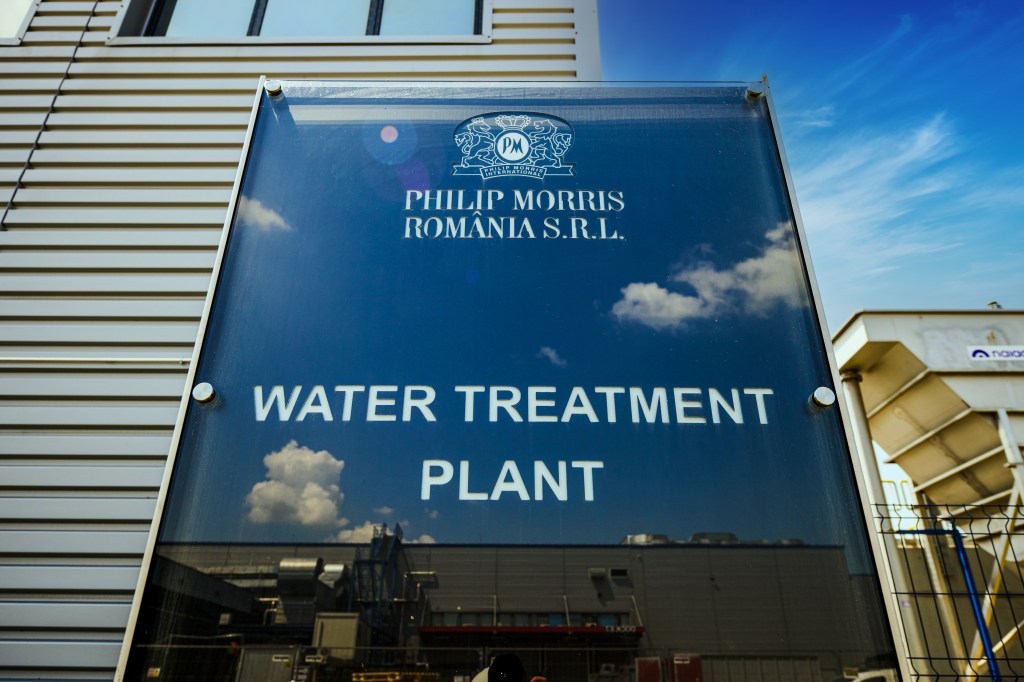
Study results and the role of the concept of “beneficial wastewater”
The conclusions of the study show that Philip Morris Romania can have a significant impact in the area of water quality, reducing consumption and stimulating public-private partnerships. The reuse of treated water becomes a central element in demonstrating the concept of “beneficial wastewater”, an essential criterion in the PMI's circularity architecture and a pillar of the transition to an industrial model that fully exploits the available resources. In essence, water is not just a production input, but a natural capital that must be returned to the environment in a better form than it was taken – one of the major ideas governing the projects underway and planned for the coming years.
Through the assumed directions, PMR strengthens its position as a responsible industrial actor, contributing to shaping a future in which the efficiency of processes will go hand in hand with the protection of water resources. Circularity is not an option, but a necessity, could broadly summarize the company's philosophy. And in the context of accelerating climate change and increasing pressure on natural resources, such initiatives are not only welcome, but become indispensable for the long-term sustainability of communities and industries.
Article supported by Philip Morris Romania


