“When US markets were on the verge of issuing an unequivocally negative view on the Iran war this week, Trump suddenly mentioned a 15-point plan in which he is making progress in talks with Iran,” Patrick Wintour, a journalist from The Guardian, wrote on X. The price of oil has fallen, which may suggest that Trump is manipulating stock markets without necessarily seeking peace.
So what is the real goal of the US president? Thomas Jaeger, professor of international politics and foreign policy at the University of Cologne, suggests two possibilities.
— Or he wants to end the war, because now it is causing him serious losses also in the USA. Or he wants to divert attention from the fact that the US has long ago decided to occupy part of Iran with land forces, Jaeger points out.
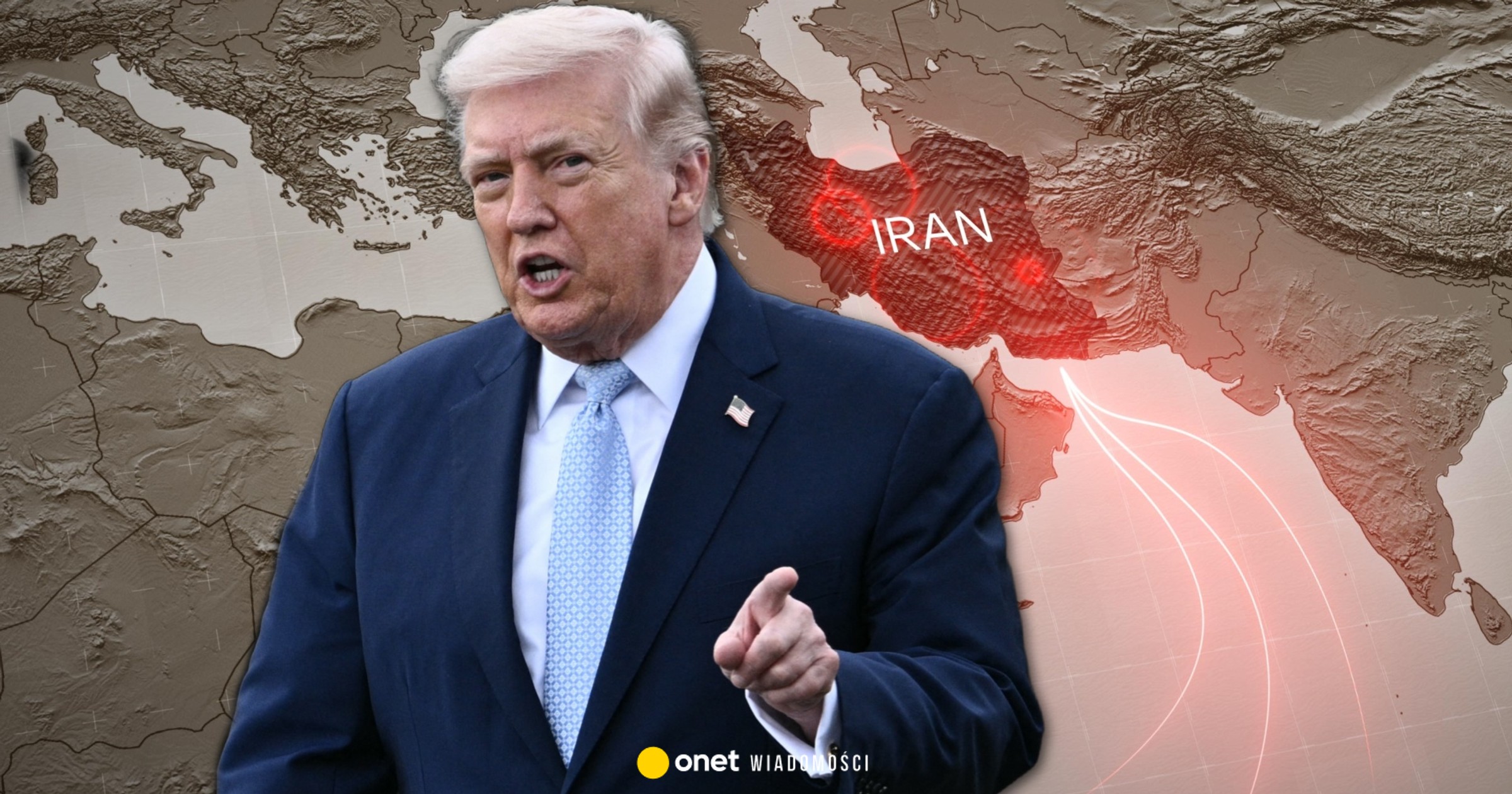
The war in the Middle East has been going on for over three weeks and there is no chance of a diplomatic solution yet. There is currently conflicting information about the talks between the United States and the Iranian regime. It is unclear what the Americans are really trying to achieve in the showdown with Iran, as the US president and members of his administration have talked about various possible scenarios, such as the overthrow of the regime.
Secretary of State Marco Rubio, in turn, said that the reason for Operation Epic Fury was the need to launch a pre-emptive strike to prevent an attack on Israeli forces.
The article continues below the video
Senior representatives of the Pakistani government confirmed on Wednesday, March 25, that they had forwarded the American peace proposal to Iran. Pakistan, like Türkiye, is expected to act as a mediator.
The 15-point peace plan that the US presented to Iran includes specific demands, such as Tehran handing over its accumulated uranium stockpiles, destroying its own nuclear facilities and opening the Strait of Hormuz.
— Iran's consent to the 15-point plan in this form seems rather unlikely to me. If threats [USA] are perceived as a bluff, it may quickly turn into a real escalation, says Reinhard Schulze, a well-known expert on the Middle East, in an interview with Bild.
Strait of Hormuz (illustrative photo)BEST-BACKGROUNDS / Shutterstock
There are also media reports that the US is seeking a one-month ceasefire in order to conduct negotiations.
“Neither Trump nor Iran are credible”
Jochen Stanzl, Consorsbank's chief market analyst and its first CEO, sees the contradiction in the signals the Americans are sending. He points out that although the US is talking about peace, the Pentagon is also demanding $200 billion from Congress. (over PLN 741 billion at the current exchange rate). This amount would finance the war with Iran if it were to be extended for the next months.
Sending American ground forces to the region raises further questions. — The United States is open to a diplomatic solution, but at the same time it is probably preparing for the ultimatum to expire without any concessions from Iran, the expert points out.
First of all, one fundamental issue remains unresolved. While the Americans talk about negotiations and claim that Iran is interested in an “agreement”, the Iranian side strongly denies this.
— Did Trump invent talks with Iran, did they really take place, were they held directly or through an intermediary, and who on the Iranian side was involved in them? There are misleading statements on this topic, says security expert Jaeger in an interview with Bild. As the analyst claims, nothing is certain “because neither Trump nor Iran are credible.”
I’m Ashley Davis as an editor, I’m committed to upholding the highest standards of integrity and accuracy in every piece we publish. My work is driven by curiosity, a passion for truth, and a belief that journalism plays a crucial role in shaping public discourse. I strive to tell stories that not only inform but also inspire action and conversation.