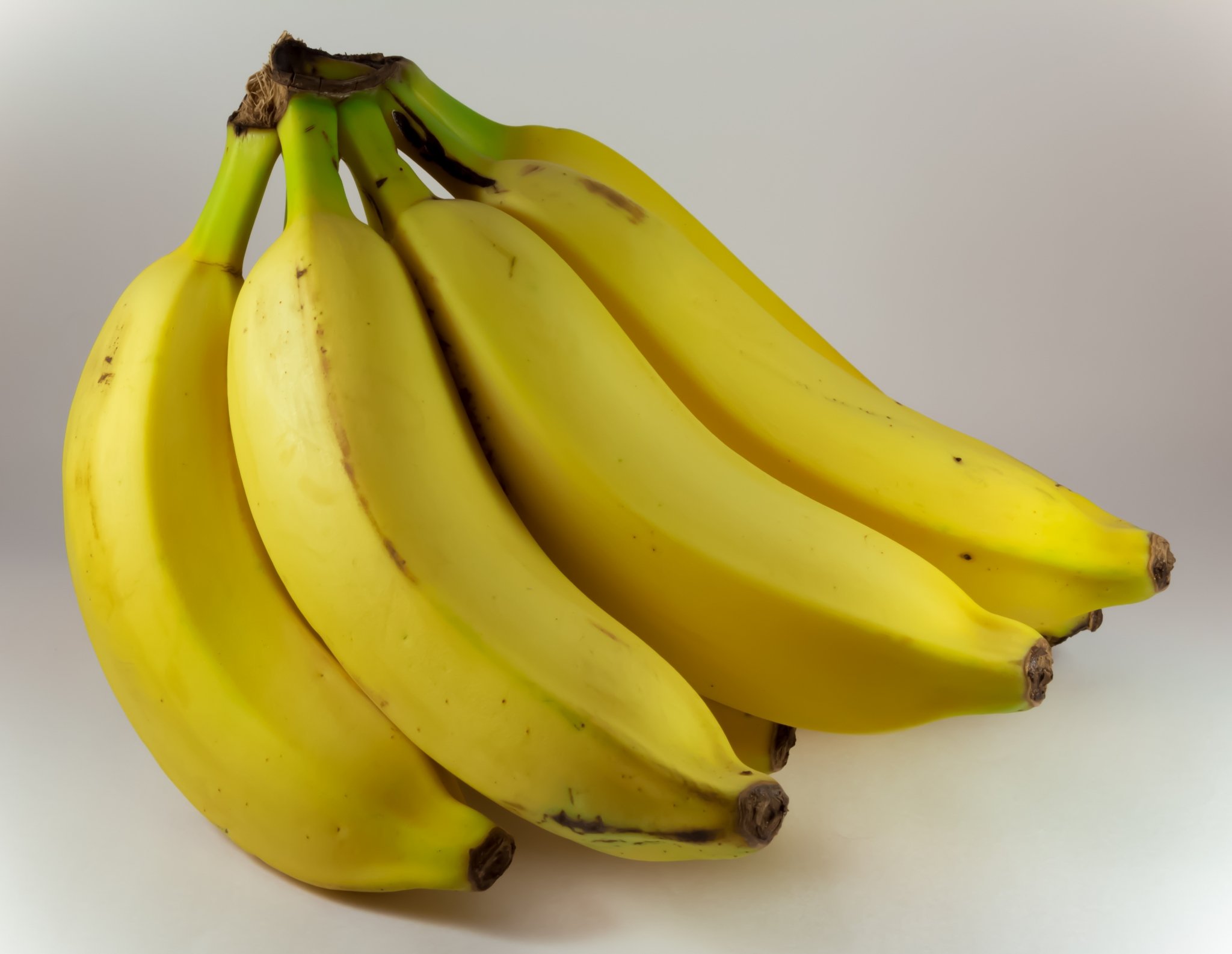
Bananas often turn dark after just a couple of days, especially in a warm room. The pulp becomes soft, a cloying taste appears, and the peel becomes covered with ugly spots. The problem is not with the quality of the fruit, but with ethylene, a gas that is released at the base of the bunch and speeds up ripening.
There is an easy way to slow down this process. It is enough to isolate the place where ethylene is released, and bananas will remain elastic, sweet and beautiful for much longer.
What you will need:
Bunch of bananas
Food foil or plastic film
Scissors
How to do:
- Separate the bananas only if you plan to eat them right away. For storage, leave the bunch whole.
- Find the junction of the fruit with the stem, this is where ethylene is released.
- Wrap the base of the bunch tightly with foil or plastic wrap, creating an airtight barrier.
- Store bananas at room temperature away from direct sunlight.
- If one fruit begins to deteriorate, separate it from the rest so that it does not accelerate the ripening of neighboring ones.
Ethylene is a natural ripening hormone that plants secrete to accelerate ripeness. By blocking its exit at the base, you slow down the process for the entire bunch. As a result, bananas retain their firm texture and balanced sweetness for up to 7 days.
Store bananas separately from apples and tomatoes. These fruits also produce ethylene and can accelerate the browning of nearby fruits.
Question and answer:
Why do bananas turn black faster in the refrigerator?
Low temperatures damage the cell walls of the peel, causing rapid browning. The flesh may remain normal, but the appearance will deteriorate. Store bananas at room temperature.
Can ripe bananas be frozen?
Yes, peel the fruit, cut into slices and freeze on parchment paper. Then put it into a bag. Frozen bananas are ideal for smoothies and baking.