When you learn that a new defense plan is being proposed, instead of the one approved in 2020, the first thought that comes to mind is: “Oh my gosh… a full-scale war has been going on for four years now. This document is probably long outdated, even though it was updated in 2022.”
In my opinion, it's not just that the plan is outdated. The nature of war has changed not only technically but also technologically, which is important. The political environment and security situation in our country have changed. And of course the balance of power and resources has changed. Under such conditions, the previous defense plan is inadequate in every respect. This is a document not at the tactical and operational level, but at the strategic level!
It is understandable why a strategic plan was not addressed during a full-scale invasion. We are in a situation of intense warfare. And the defense plan is determined by the situation at the front, by military operations whose intentions fall within the scope of permanent command of troops. However, when planning long-term contracts for army supplies, when changing the management model (for example, the corps system was introduced and more), you need to have a vision of what you need. It became obvious: the previous vision was no longer valid.
I think that the creation of a new defense plan is related to the fact that we have already started to see the strategic framework against the background of the dynamics of war. A whole series of processes must be carried out in a broader perspective than just the confrontation with Russia here and now.
Both plans, both the one that was and the one that will be, are secret, which is understandable. But in the fall of 2024, President Zelensky presented it publicly, in parliament Ukraine's victory plan. It consisted of five points: geopolitical, military, security, economic and post-war. So should it be understood that the plan for victory is canceled? Are we back to the term “defense” again?
That's a reasonable question. It requires clarification: what is a political document and what is a state document.
The article continues below the video
Is the victory plan a political document?
Yes, it is a political declaration that can take any form and is part of the government's policy. However, the defense plan is a completely formal state document, based on strict rules and is not a product of the political situation. Although of course she influences him. Therefore, the defense plan has no connection with the victory plan and vice versa. These documents function independently of each other.
The defense plan is binding, and the victory plan is a political statement and declaration of power, followed by political responsibility.
“We cannot afford illusions”
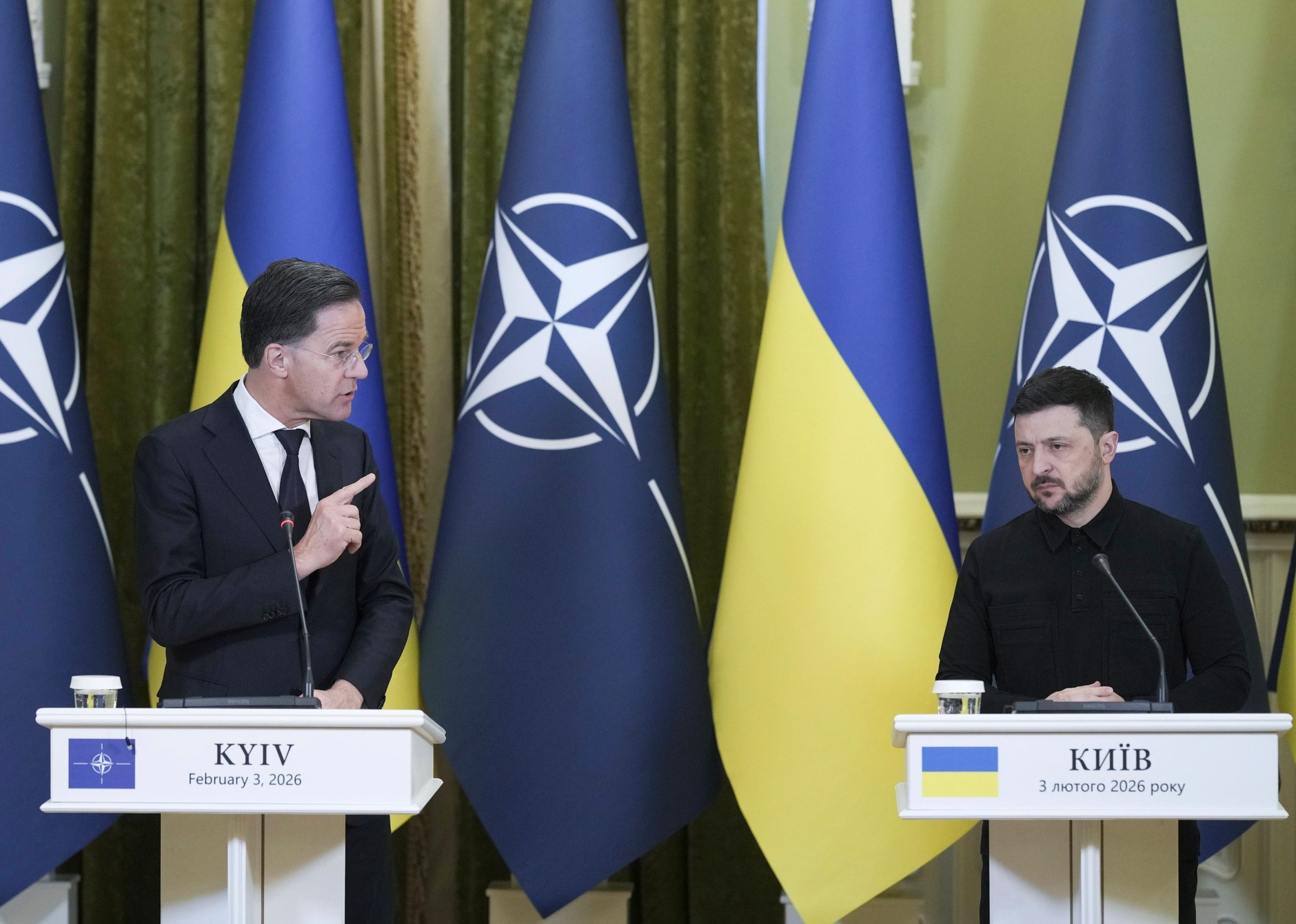
It's hard not to notice and connect the dots: President Zelensky's decree on a new defense plan appeared literally the day before NATO Secretary General Mark Rutte's visit to Kiev and his speeches in the Ukrainian parliament. The speech was significantly ignored by most MPs. Previously, something like this would have been unthinkable! Can what is happening be interpreted as Kiev accepting the bitter reality? Hopes for sufficient weapons from NATO, closing the skies over peaceful cities and finally membership in the alliance in the foreseeable future have not come true – and therefore there is a need to adjust the Ukrainian strategy?
I totally agree. I would say that over the last year in Ukraine there has been complete clarity about the capabilities of the international community. This shouldn't be demotivating. Western countries help us, by their own measures, an incredible amount. Even more than we expected. But in light of the challenges and needs of today, this is not enough. It is understandable that we are partly frustrated by this situation. However, this is a matter of inadequate assessment of the world and its possibilities in matters in which one cannot have such illusions.
It is more appropriate to come out of an unfavorable scenario. Unfortunately, we came out of the scenario “the world will help Ukraine, protect it, stop the aggressor”, each time raising the bar of expectations. And breaking your own expectations with reality. Today, when we talk about the new national defense plan, we do not know what it contains, and we will not find out – the document is confidential. But apparently it should be based not on what we want, but on what we have.
NATO Secretary General Mark Rutte and Ukrainian President Volodymyr Zelensky during a press conference in Kiev, February 3, 2026.EPA/STRINGER / PAP
So let's try to sort it out. According to President Zelensky, a peace agreement on Ukraine will be reached just before the new year it was 90 percent ready. Recently, commentators reported that the only remaining obstacle was the issue related to the Donetsk Oblast. However, we remember that Russia has never withdrawn the thesis about Ukraine's neutral and non-aligned status from its agenda. Can it be assumed that in the new defense plan the course towards NATO will be abandoned as the main painful compromise?
No, he will not be abandoned. But I would be the first to actively criticize a defense plan that portrayed Ukraine's alliance membership as an imminent goal. Our course towards NATO is political, with a civilizational choice behind it. And ultimately, the rules that Ukraine does not change – which side it should be on.
On a practical level, there are serious doubts about NATO's own ability to respond in accordance with its own rules and even treaty documents.
Otherwise, the Baltic countries and others would not be so concerned about the current situation and there would be no discussion about creating a European army.
When it comes to defense, we cannot afford to have any illusions. Instead, what is needed is maximum pragmatism and even pessimism. Of course, if Ukraine is admitted to NATO, this document will have to be rewritten, and not only this one.
I’m Ashley Davis as an editor, I’m committed to upholding the highest standards of integrity and accuracy in every piece we publish. My work is driven by curiosity, a passion for truth, and a belief that journalism plays a crucial role in shaping public discourse. I strive to tell stories that not only inform but also inspire action and conversation.