The Kurds also denied the media reports. “Not a single Kurd from Iraq crossed the border. This is an obvious lie,” wrote a representative of the office of the Prime Minister of Kurdistan Masrour Barzani on X.
Who are the Kurds?
How many people are there in the Kurdish nation?
Where do Kurds have the most autonomy?
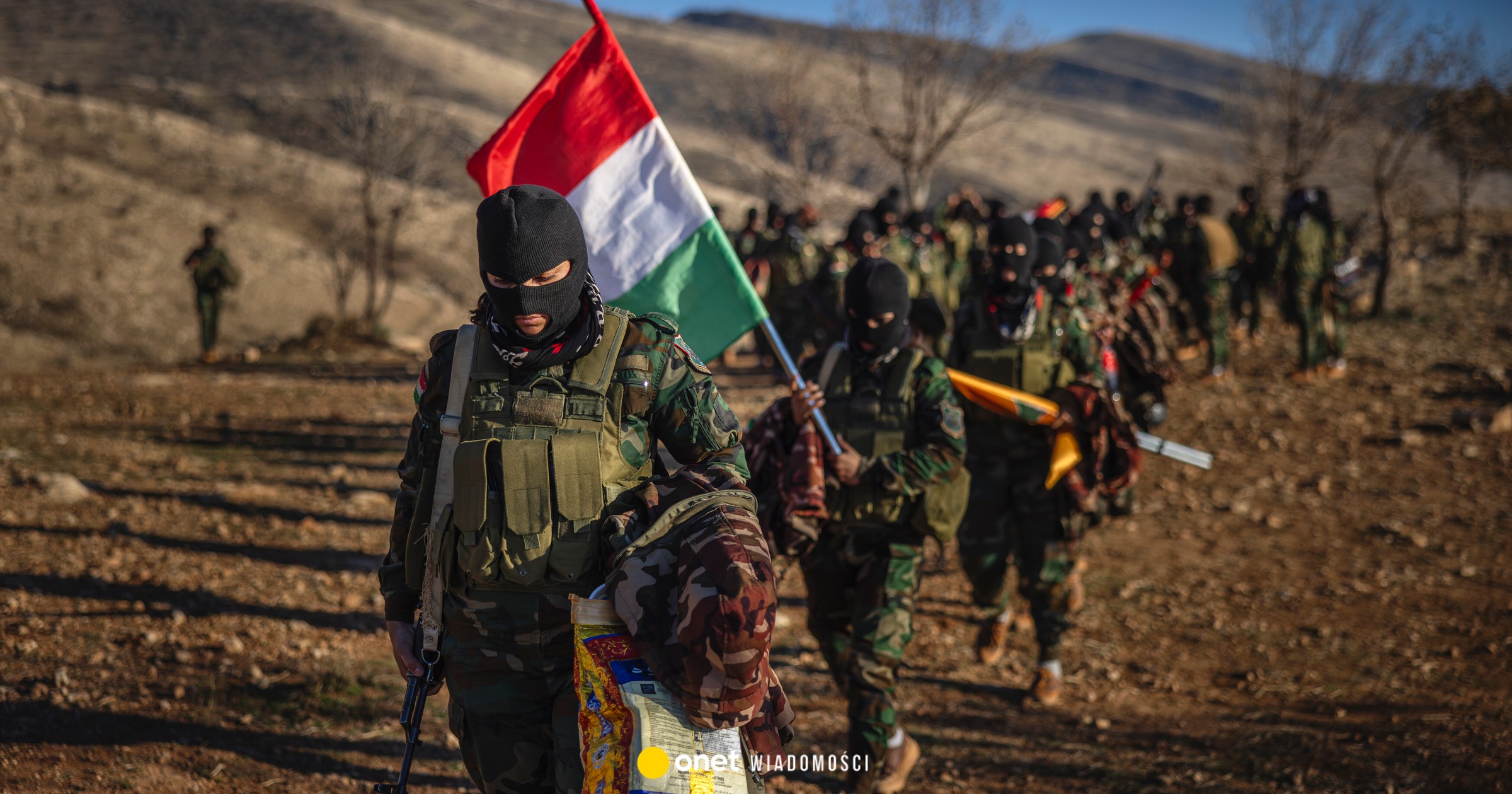
What military forces do the Kurds have?
Kurds. A nation without its own state
The Kurds are one of the largest nations in the world, without their own state, numbering – according to various estimates – approximately 30-40 million. They live in Iran, Iraq, Syria and Turkey, and small groups also live in Sweden and Finland. Their largest concentration – approximately 12 million – is in Turkey. About 4 million Kurds live in Iraq and it is there that they enjoy the greatest rights – they have their own government, army and autonomous region. Despite the cultural community, this minority is characterized by considerable diversity – religious, linguistic and political.
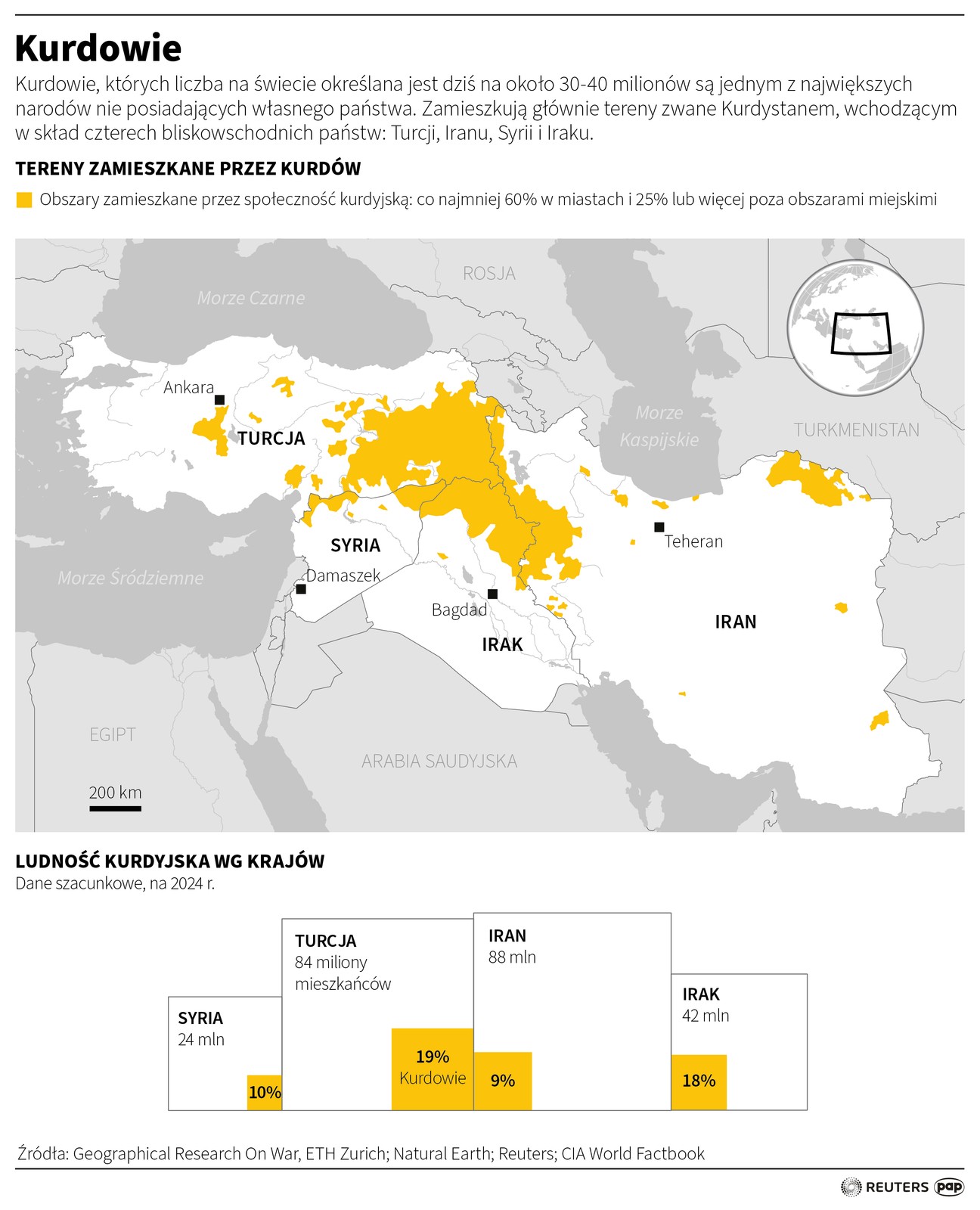
Areas inhabited by KurdsPAP
In the past, “stateless people” have repeatedly joined regional wars, incited uprisings or fought against Islamic terrorists. Although they are considered US allies, their relations with the Americans are different and the Kurds could not always count on their gratitude for help in conflicts. They participated together with the USA, among others. in the so-called the Second Persian Gulf War, which started in 2003, and the last war in Syria. Now they are at a crossroads – according to reports from the New York Times, they are hesitant to cooperate with the Americans because they are afraid of the risk if the operation fails.
As Al Jazeera reminds, ties between the Kurdish minorities of Iran and Iraq have been close for years. Iranian Kurds fighting against the regime in Tehran want to obtain similar rights to those in Iraq.
Expert on the Kurds: they have no military potential
In turn, Barbara Leaf, former deputy secretary of state for the Middle East and distinguished diplomat at the Washington-based Middle East Institute, said in an interview with The Guardian that “if the administration [USA] is seriously considering a combination with the Kurds in Iran, it opens a hornet's nest.” “The leaders of the Persian Gulf countries will probably be very nervous at the thought of such a move from the US,” she added.