2026-02-28 12:00
publication
2026-02-28 12:00
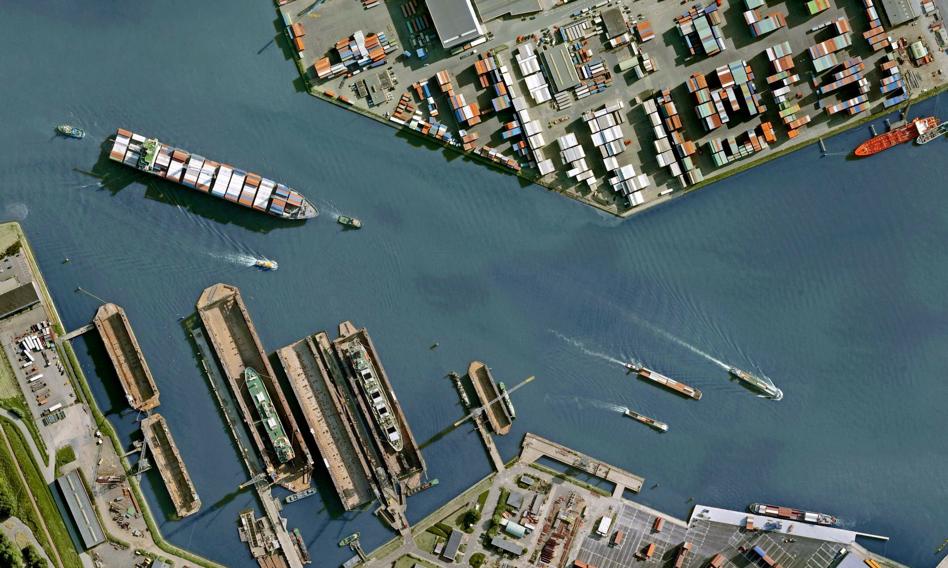
The Port of Rotterdam Authority is preparing for the risk of sabotage and espionage due to the facility's growing military role. President Boudewijn Siemons announced on Thursday that the port reserves space for the military, which may make it a target of hostile actions by third countries.
At the north-western edge of Maasvlakte – an industrial and transhipment area in the Rhine Delta – a 15-hectare terminal for the transshipment of ammunition and military equipment is to be built.
According to Siemons, the port's new function makes it a more likely target for sabotage, espionage and smuggling. Additional vigilance is being raised by reports of unidentified drones appearing over key infrastructure in the Netherlands and other European countries. The head of the port did not reveal whether, as in Antwerp, an air defense system would be installed in Rotterdam, but he assured that the services “know what to do in the event of a threat.”
Siemons also referred to the Chinese presence in the port. About half of the container handling capacity is in the hands of Chinese entities, mainly the Hutchison company from Hong Kong. However, he emphasized that the land and quays remain the property of the port authority.
The president pointed out that Europe's dependence on China goes beyond ownership issues. A quarter of the containers come directly from China, and another 25 percent. may contain Chinese components. Siemons did not confirm the existence of the so-called kill switches, i.e. the possibility of remotely turning off the infrastructure, but he did not rule it out.
In economic terms, the port recorded the fourth consecutive year of decline in transshipment – in 2025 by 1.7%. Less service was provided, among others: petroleum products, iron ore and coal. Exports via Rotterdam dropped by 3.8%, and some containers leave the port empty, which – as Siemons pointed out – may mean a decline in production and employment in Europe.
From Amsterdam Patryk Kulpok (PAP)
pmk/mal/