In Iran, the calm before the storm. US troops on standby. Two event scenarios

Tehran emphasizes that it has no intention of creating a nuclear bomb and treats uranium enrichment as an increase in the country's security. Washington is not convinced by such assurances, and in addition, the Iranians are partially closing the Strait of Hormuz, the most important nodal point for oil trade in the world. This is a crossing of “red lines” for the US. The Middle East is currently a powder keg. All it takes is a spark to trigger a reshuffle in the region, which will have a huge impact on the new puzzle on the geopolitical chessboard.
Later in the text, he explains what the Americans really want, what moves the White House is making and how Iran responds. We also discuss two scenarios that Washington is considering and which may be implemented in the coming days.
In January this year The United States sent significant military forces to the Middle East, many assumed at the time, to launch attacks on Iran to help protesters overthrow the ayatollah regime. However, the protests were suppressed and American attacks did not occur. Instead, the United States and Iran have reopened negotiations on the “nuclear deal.” In mid-February, new reports of a possible attack appeared. American aircraft carriers are located near the coast of Iran.
Why is the situation in the Middle East tense?
Moreover, in recent weeks, the United States has transported hundreds of aircraft, air defense systems and huge amounts of ammunition to the Middle East, including to its bases in Qatar and Bahrain, in the immediate vicinity of Iran.
There is very little official information about the progress of the negotiations – or even what topics are discussed.
So what does the United States expect?
- 1
The US demands that Iran completely abandon uranium enrichment on its territory and hand over all its stocks of enriched uranium. [Rosja jest gotowa je przejąć]
- 2
Limitations on the development of the missile program
- 3
Cease support for Middle Eastern terrorist groups, such as Yemen's Ansar Allah [Huti]Lebanese Hezbollah and Palestinian Hamas.
Iran, for its part, is ready to make concessions regarding its nuclear program, but refuses to even discuss its missile program or support its allies.
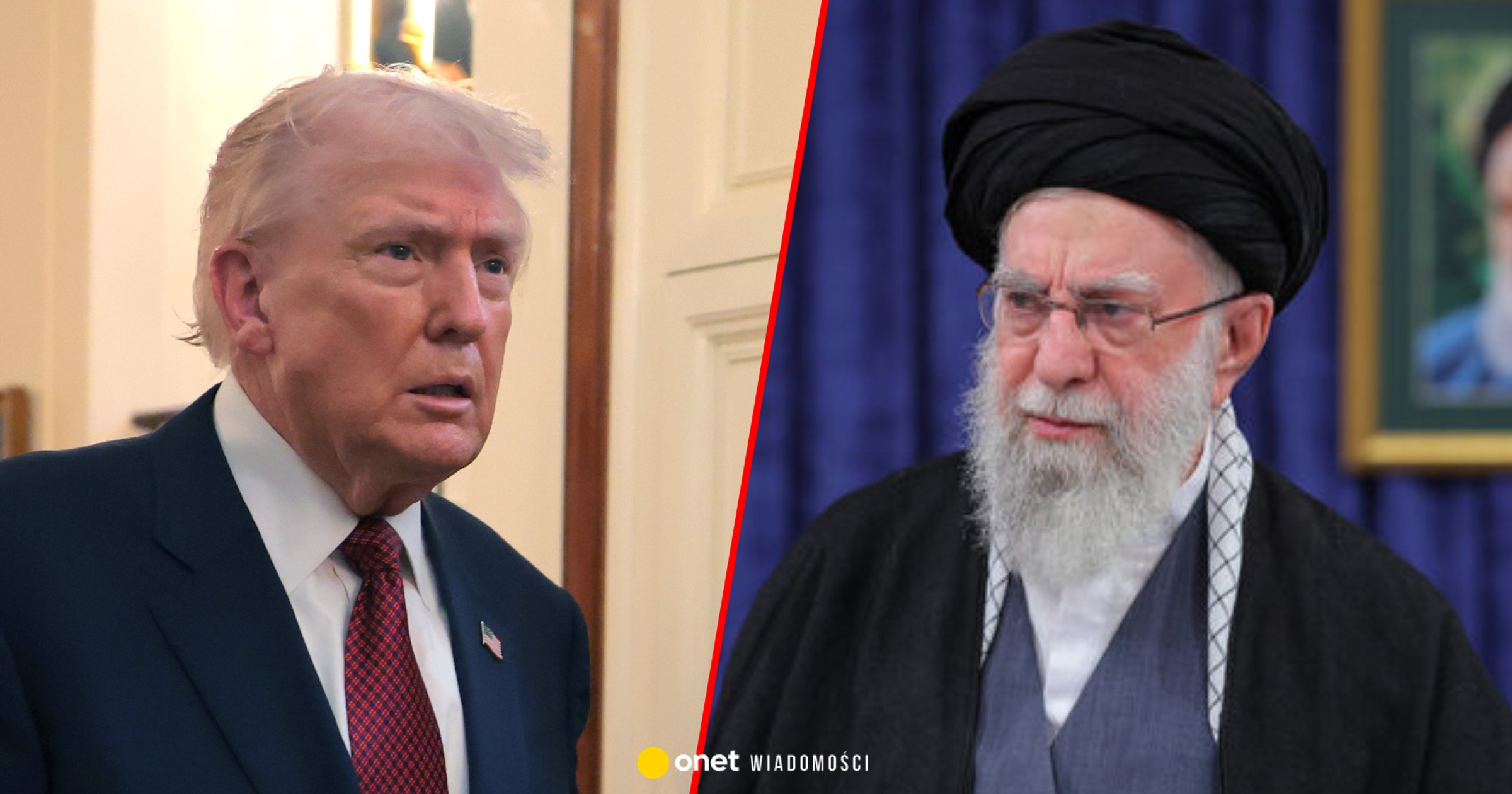
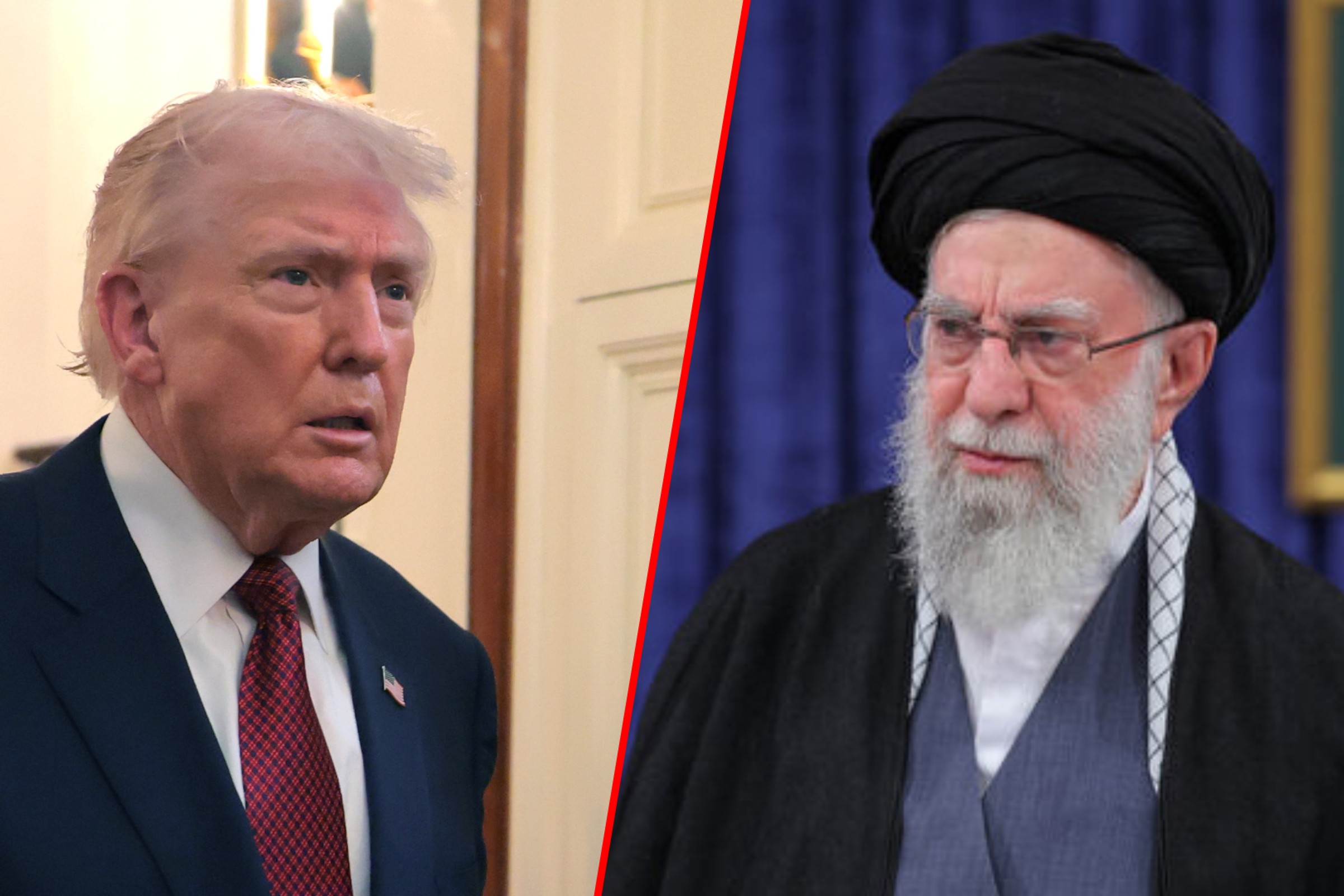
Now Trump says that would be the optimal solution regime change in Iranbut he defines the goals of the negotiations and possible military operation more modestly: for Iran to stop posing a threat to peace, and in particular to US bases and allies in the Middle East.
Trump almost directly says that sending the Gerald Ford aircraft carrier to the region is a demonstration of the seriousness of US intentions and a threat to Iran: either it will make concessions in negotiations or it will be hit severely. In response, Iran's Supreme Leader, Ali Khamenei, reiterates that Iran has every right to its own nuclear program and threatens to sink American ships.
According to “The Wall Street Journal” sources, after the negotiations in Geneva Iran was given two weeks to prepare its proposals for the US. However, it is not certain whether Trump will wait for these proposals – especially since it can be certain in advance that they will not meet American requirements.
Axios journalist Barak Ravid, known for his good contacts in American diplomatic circles, writes that a great war in the Middle East is much closer than many realize. And it won't be a short campaign, like the 12-day war.
After Trump's public threats against the ayatollah regime and the demonstrative gathering of forces in the region, the American president cannot simply withdraw. It would lose face and make it clear that it is possible to ignore US demands and “wait out” the danger.
In the same two weeks, as Iran prepares its proposals for the next round of negotiations, US Secretary of State Marco Rubio is expected to visit Israel. Iran will undoubtedly be the main, if not the only, topic of discussion. Israel has long been preparing for a new war with Iran — and this time, unlike the 12-day war in June 2025, he is happy to hand over the initiative to the United States and is ready to remain in the second line.
After this war, Israel regards Iran's missile program as its main target: the bases and production sites of ballistic missiles with which Iran fired at the Jewish state [zginęło 28 Izraelczyków, kilka tysięcy zostało rannych i straciło domy].
If Trump does strike, what will it look like? Here are the scenarios
According to Foreign Policy's assessment, the most likely scenario is not a US invasion of Iran or a full-scale regional conflict, but a limited, carefully planned attack aimed at changing the balance in the negotiations.
This means that the threat of war and the military attack itself are another, although very important, diplomatic argument. This is consistent with the “peace through strength” doctrine that Trump often preaches – a demonstration of military force and determination is a tool to apply pressure during negotiations.
However, as “Foreign Policy” continues, a different scenario is also being considered in the United States.
The ayatollah regime is weaker than ever, and if enough pressure is put on it, it can be changed. But achieving this goal is almost impossible without a ground invasion, and Trump is almost certainly not ready for it: it is too long and too risky.
Most likely when an American military operation begins the priority task will be to deprive the regime of its leadership: kill [najprawdopodobniej w wyniku nalotu] supreme leader, key military and political figures.
The United States will then need to strike at key military facilities to prevent Iran from inflicting unacceptable damage on U.S. forces and their allies. [przede wszystkim Izraelowi, który z pewnością stanie się głównym celem odwetowego uderzenia].
Simultaneously The United States will likely want to keep some Iranian leaders alivewith whom it will then be possible to negotiate from a position of strength – and who will be able to maintain control over the country.