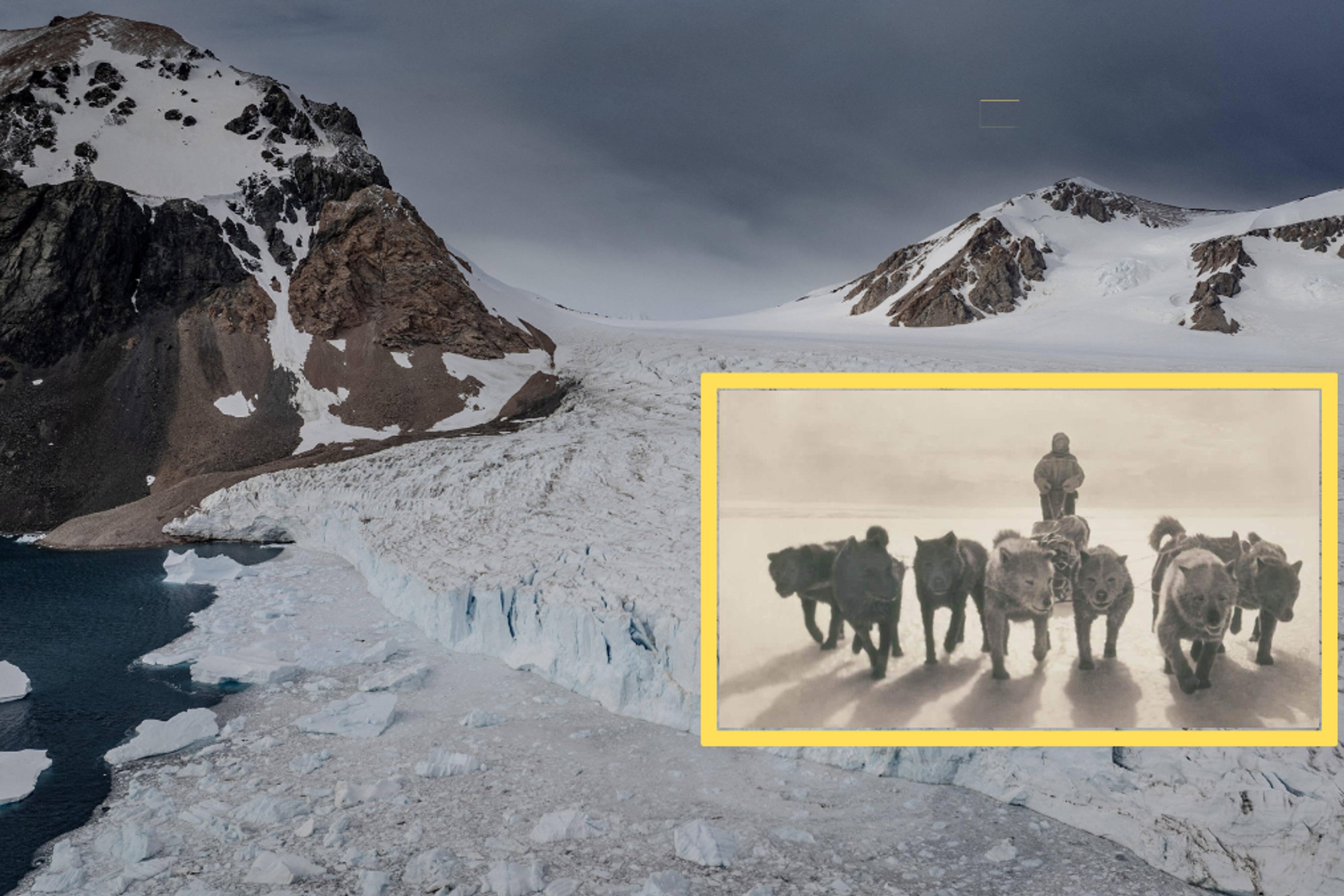
There have been no dogs left in Antarctica for over three decades. The Madrid Protocol of 1991 changed everything. The international agreement included a clear provision that became an important part of the so-called Antarctic Treaty.
Dogs played an important role in the exploration of Antarctica
The first dogs set their paws in Antarctica in 1898 during Carsten Borchgrevink's expedition. The era of exploration of the continent had begun. Roald Amundsen, who was the first to reach the South Pole on December 14, 1911, owed his success to dogs. The help of 97 strong, frost-resistant Greenland Huskies was the key to success.
Why did dogs disappear from Antarctica?
What is the Madrid Protocol?
How long have dogs been present in Antarctica?
What were the reasons for evacuating dogs from Antarctica?
In contrast, the British Robert Falcon Scott relied on Manchurian horses and prototype motor sleighs, which contributed to the tragic end of his expedition in 1912.
Dogs also accompanied Ernest Shackleton during the dramatic Endurance expedition (in 1914–1917) and the Australian Douglas Mawson. They were reliable: they pulled heavy loads, crossed ice crevasses and saved lives in blizzards.
After the era of great discoveries, dogs remained in the service of science. From the 1950s to the 1990s, research stations in Australia, the UK and New Zealand relied on Huskies for daily field work. They transported equipment and supported geologists and glaciologists. At bases such as Davis and Rothera, dogs became full members of the crews.
Everything changed in 1991, when the Protocol on Environmental Protection to the Antarctic Treaty (the so-called Madrid Protocol) was signed. Annex II clearly states: “Dogs shall not be introduced onto land or ice shelves and those dogs present there shall be removed by 1 April 1994.”
The reason for this decision was to protect the delicate Antarctic ecosystem from alien species. There was a risk that the dogs would transmit diseases such as distemper to seals or penguins, or escape and disturb the local fauna.
The evacuation was an emotional event. Australian huskies left the continent in December 1993, British huskies – the last 14 dogs from the Rothera base – said goodbye to Antarctica on February 22, 1994.
The most exciting moment was the evacuation of British dogs from the British Antarctic Survey (BAS). The British kept huskies in Antarctica for the longest time – since 1945.mainly at the Rothera base on the Antarctic Peninsula. The final group of 14 quadrupeds were descendants of those who had served decades earlier. The transport took place by plane, the animals were loaded into crates and transported to Great Britain and then to their new homes.
The dogs found new homes in warmer countries, often with their former owners. Since then, Antarctica has remained dog-free. Snowmobiles, helicopters and tracked vehicles took over the transport. The era of dog sledding on the most hostile continent on Earth is officially over.