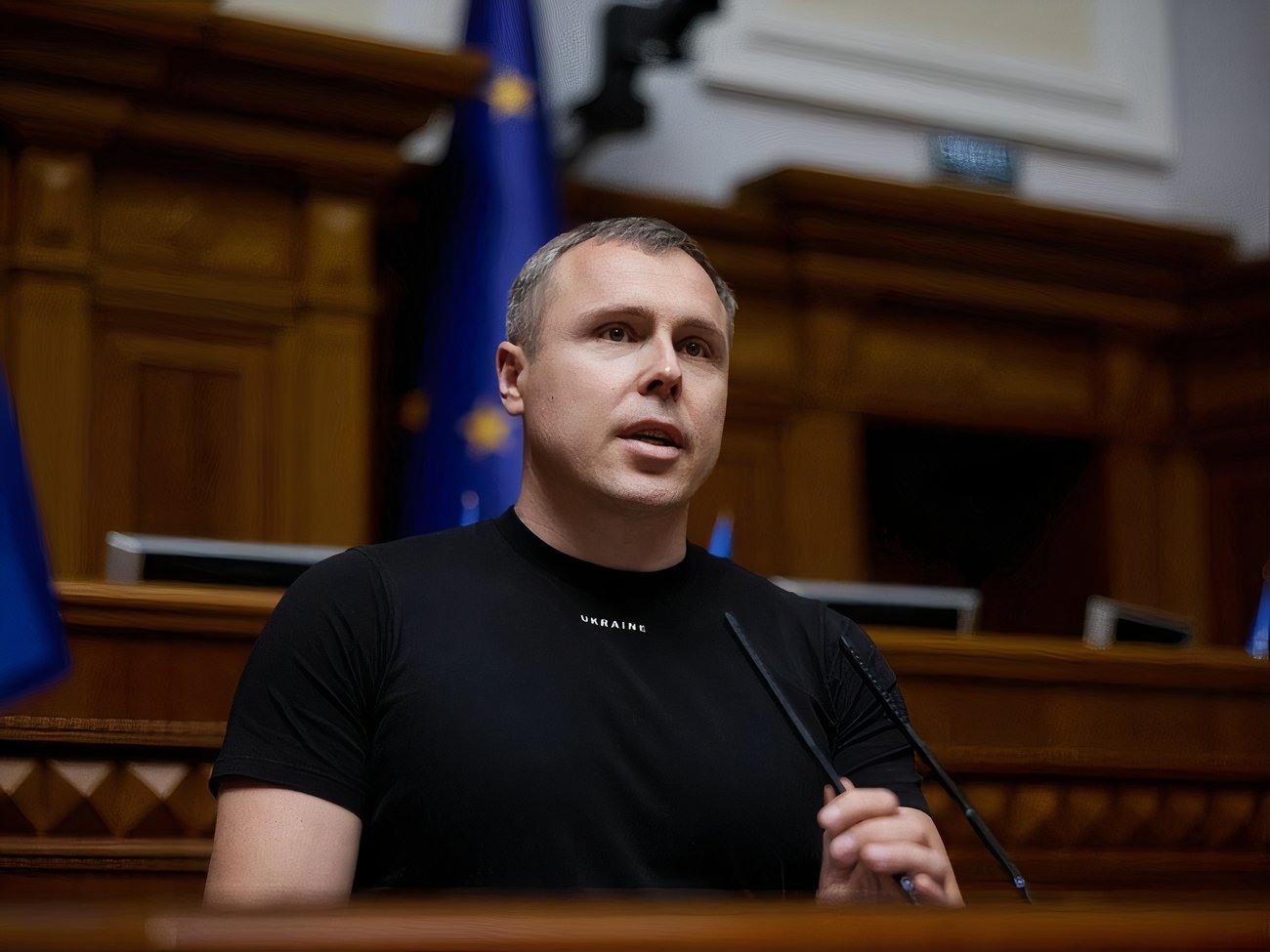
According to him, the Ukrainian side enters negotiations without a sufficiently strong position.
“When we sit down at the negotiating table, we have factors that definitely do not allow us to at least agree on being on the front line, as the president says,” Kostenko emphasized. “I’m not even talking about the fact that we are forced to give up our territories, and this is unacceptable.”
The People's Deputy does not believe that the aggressor country of the Russian Federation has great successes at the front, but Moscow thinks so and the Russians convinced Ukraine's partners of this.
In addition, Russia is trying to increase pressure on Ukraine, in particular by targeting energy infrastructure during severe frosts, Kostenko added.
“They are trying to persuade us to make concessions. And when they present their arguments, there is little to be said here. And you cannot provide any counter-arguments. I believe that at this stage these negotiations are fruitless,” the people’s deputy noted.
As Kostenko pointed out, Moscow's demands go beyond territorial issues.
“Russia demands from us that we surrender territories, we do not surrender these territories. Russia imposes the Russian language, the Russian church, this is important for them. And so we are trying to negotiate with them on the terms of the Russian Federation,” the people’s deputy emphasized.
Kostenko said that “peace is better than war,” but not at the expense of the Ukrainians who live in the territories occupied by the Russian Federation.
“Even if we achieve some kind of peace, we must immediately think about how we will return our territories. No matter what anyone says. Our people remained there. And Ukrainians should not leave their people and their territories to the enemy. We must wait for the right moments, as the president says, diplomatic ones, and prepare militarily,” the people’s deputy concluded.
Context
The first round of negotiations between the delegations of Ukraine, the Russian Federation and the United States in Abu Dhabi took place on January 23 and 24. According to Ukrainian President Vladimir Zelensky, the parties discussed a “peace plan” of 20 points, including “problematic issues,” which were initially very numerous, but “they became fewer.” As Ukrainian Foreign Minister Andrey Sibiga noted, the issues of territories and the Zaporozhye nuclear power plant are the most sensitive during peace negotiations in Ukraine.
On February 4–5 in Abu Dhabi, delegations discussed “methods for implementing a truce and monitoring the cessation of hostilities,” said the head of the Ukrainian delegation, Secretary of the National Security and Defense Council Rustem Umerov.
On February 5, Zelensky announced a new meeting to resolve the Russian-Ukrainian war, which could take place “in the near future.”
As Sibiga said in an interview with Reuters on February 6, the presidents of Ukraine and Russia should personally discuss the most difficult issues that remained uncoordinated during negotiations to end the war.