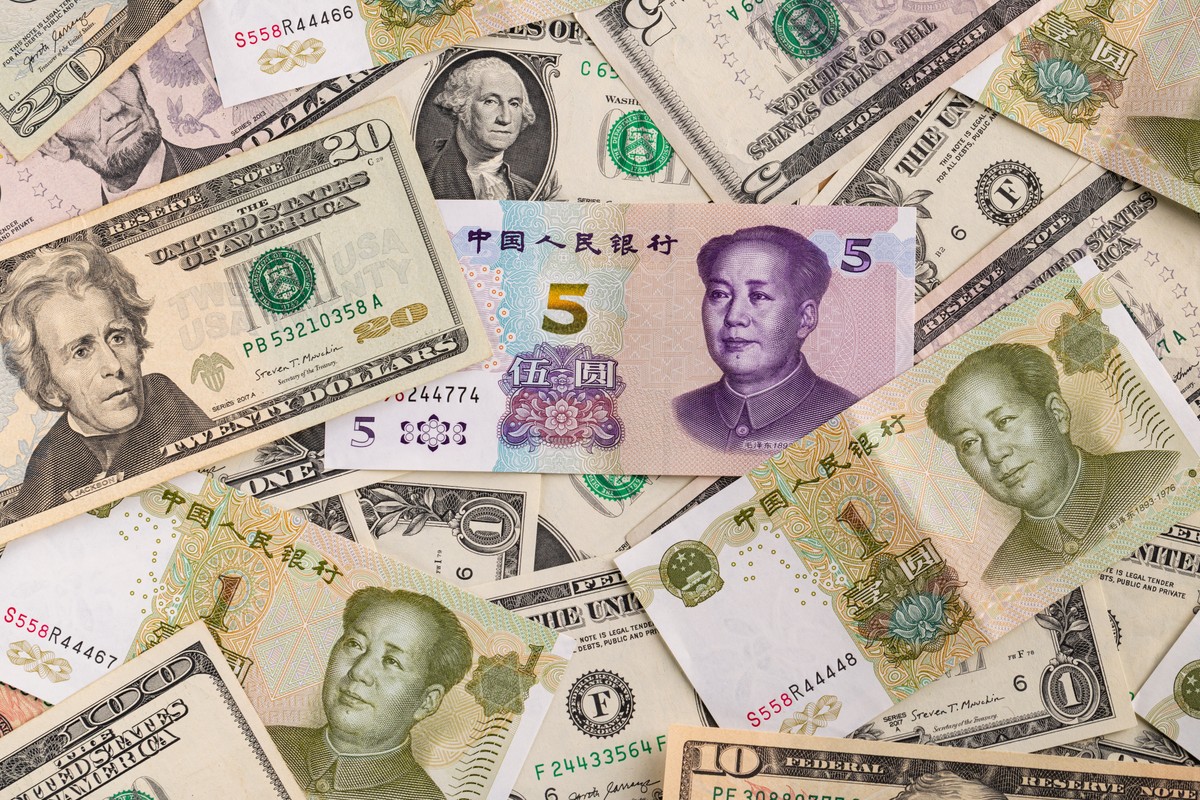
As explained by the Bank of Zambia, a significant part of copper exports goes to China, and Chinese mining companies are increasingly receiving payment for the raw material in yuan. “The key objective of the Bank of Zambia is to diversify and build reserves, and the purchase of renminbi enables this objective.” – emphasized in the announcement quoted by Bloomberg. The institution also pointed out that having the Chinese currency reduces the costs of servicing the debt to Beijing.
The text continues below the video
The mining pillar of the economy
Zambia is Africa's second largest copper producer, and the metals sector plays a key role in its economy. The decision to accept yuan is therefore not only symbolic, but also practical – it concerns one of the most important sources of state revenue.
Read also: Exchange rate of yuan and dollar. China is intervening and sending the strongest signal in years
China's growing presence in Africa
The change in Zambia is part of a broader trend of strengthening China's position on the African continent. In October, Kenya converted part of its debt to China into yuan-denominated liabilities. The government in Nairobi hopes this will save about $250 million a year after restructuring a $5 billion railway loan from the Export-Import Bank of China.
Ethiopia has already started similar talks, and Zambia announced that it would consider further steps in this direction.
In November 2025, Chinese Prime Minister Li Qiang visited Zambia. He assured then that Beijing was ready to expand bilateral trade and cooperation in sectors such as mining, new energy vehicles and artificial intelligence. It was the first official visit by a Chinese prime minister to the country in 28 years.
Debt after the pandemic and difficult negotiations
As Reuters notes, many African countries are now looking for investment and financial relief after the COVID-19 pandemic forced them to take out high loans for health care. This weakened their ability to service their debt and deepened their financial problems.
Analysts cited by Bloomberg indicate that one of the reasons why Zambia's debt restructuring dragged on for more than three years was the large number of Chinese creditors, which made it difficult for the government to control the process. Over the past two decades, Chinese companies have invested approximately $6 billion in Zambia, almost all of which went to the metallurgical sector.
Read also: Angola is the center of international negotiations. It has one of the largest oil deposits in Africa, which constitutes a significant part of its exports and GDP