Parliamentary elections in Moldova may determine the future of the country in the European Union


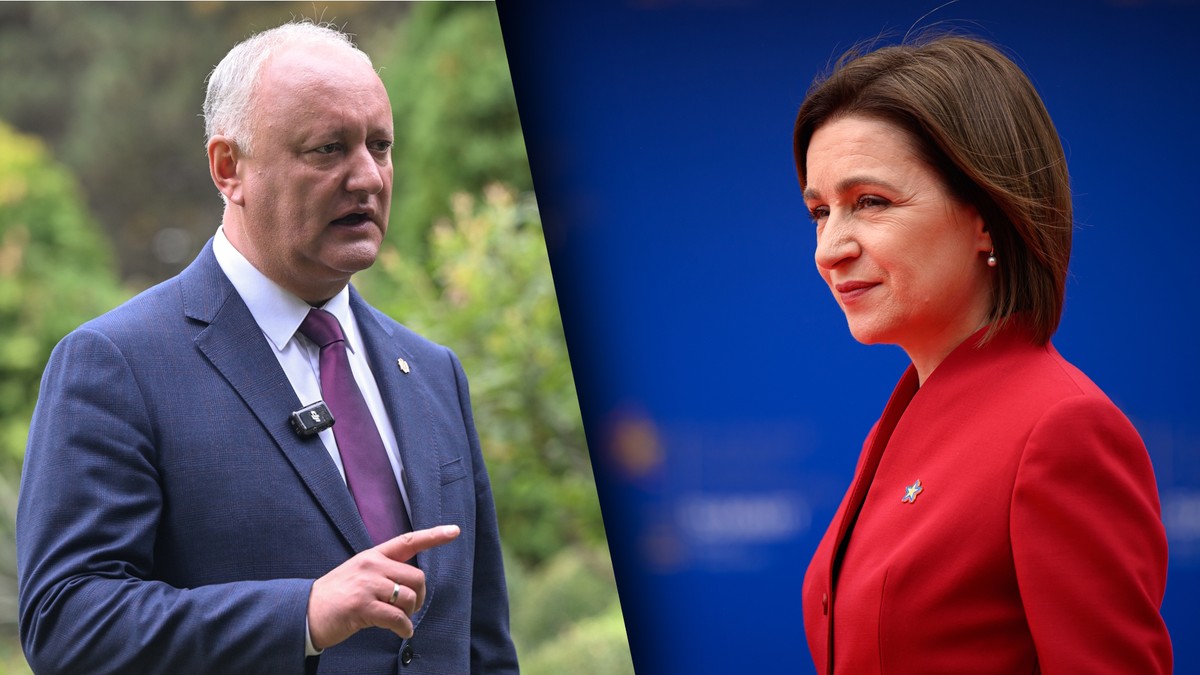
Ruling Action and Solidarity Party (PAS)founded by the President of Maia Sandu, fights to keep the majority in a 101-person parliament. Sandu, which took office in 2020, consistently promotes the pro -European course and announces that Moldova can join the EU in 2030.
However, her party faces a serious challenge on the side pro -Russian patriotic block, which includes Socialists led by former President Moldova, Igora added.
According to recent surveys, the belt may lose the majority, which will force the party to look for coalition partners. Potential allies can be smaller groups, such as the populist our party or nominally pro -European Alternative Bloc.
Read also: Russian propaganda floods Moldova before the election
Elections in Moldova – key topics of the campaign
The most important topic of the campaign is the future of Moldova in the European Union. The belt announces the pursuit of membership in the EU until 2030, emphasizing that it is crucial for the economic and political stability of the country.
However, the pro -Russian opposition criticizes this course, and many voters focus on more mundane problems such as High inflation or the fight against corruption. Moldova, who is one of the poorest countries of Europe, is still struggling with economic challenges, which for many citizens are more important than geopolitical ambitions.
Russian interference in the election campaign
The government of Mai Sandu accuses Moscow of intensifying attempts to destabilize Moldova. Authorities say that Russia uses disinformation, illegal party financing, buying votes and organizing protests to influence the election result.
In recent weeks, Moldovan police have conducted numerous raids in matters related to suspected illegal political financing. Just a few days before the election, 74 people were arrested who were supposed to participate in attempts to raise anxieties supported by Russia.
Moscow contradicts these accusations, claiming that Chisinus deliberately fuels anti -Russian moods for political purposes.
The importance of parliament for the future of Moldova
Although the President of Moldova is elected in direct elections, it is the parliament that plays a key role in shaping the country's policy. Currently controlled by the belt, parliament supports integration with the EU, which requires extensive legislative reforms.
Any pro -Russian majority in parliament could effectively block these activities, leading to prolonged political disputes. The result of the election may therefore determine whether Moldova will keep the course west or will be in a political impasse.
Elections in Moldova are closely observed by European leaders. In August, representatives of France, Germany and Poland visited Chisinau to give support for the pro -European government. The result of voting will not only be a test for Moldovan democracy, but also an indicator of how effectively Europe is able to counteract Russian influence in the region.