regarding Belarus, the USA ceased to be Poland's ally


Onet's information from Polish, Belarusian and American sources shows that the subject of the American-Belarusian dialogue was not actually the international situation. The United States no longer even pretends that it is trying to free Lukashenko from Putin's arms and Belarus from the Russian sphere of influence.
This can, of course, be considered an expression of realism on the American side. In fact, the chances of the regime in Minsk becoming independent from Moscow are slim today. However, if this is the case, the sanctions should be maintained, not abolished.
There are two reasons why the Trump administration decided to lift sanctions on Belarusian fertilizers.
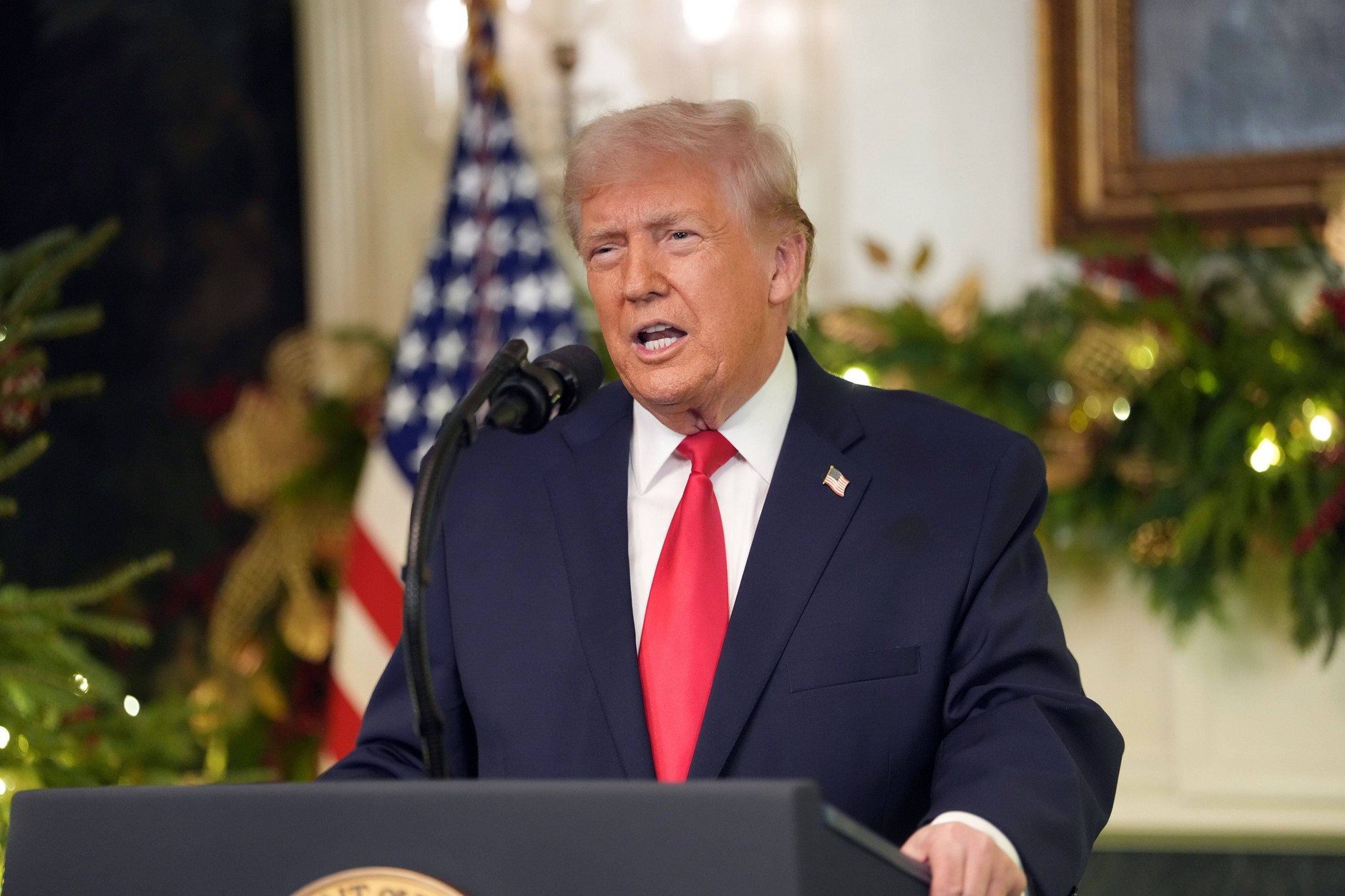
Donald TrumpDoug Mills / POOL / PAP
The first is the desire to increase the supply of potash fertilizers on world marketsthus reducing their price for American farmers. The second is the desire to hit the Canadian economy. Until now, Canada was the main supplier of potassium fertilizers to the American market, accounting for over 80%. sales in the USA.
The mere lifting of sanctions, let us add, does not mean that Belarusian fertilizers will reach the American market. Before the outbreak of the war between Russia and Ukraine (which, let us remember, happened with the support of Belarus), Minsk was responsible for only 5 percent. supplies to the American market.
The problem is that Belarus currently does not have access to Lithuanian ports through which it exported its production to the USA. As an informant familiar with the background of the US-Belarusian talks states in an interview with Onet, one should expect brutal pressure from Washington on Vilnius to unblock Belarusians' access to the port in Klaipėda.
It is in the interest of Poland and European countries to maintain, not lift, sanctions from Belarus
Alternatively, Belarus can, of course, export fertilizers through Russian ports, but this increases costs. However, the calculation may change if Donald Trump introduces tariffs on Canadian fertilizers. Even then, the question arises whether Belarusians who redirected exports to the US to other markets would have spare production capacity.
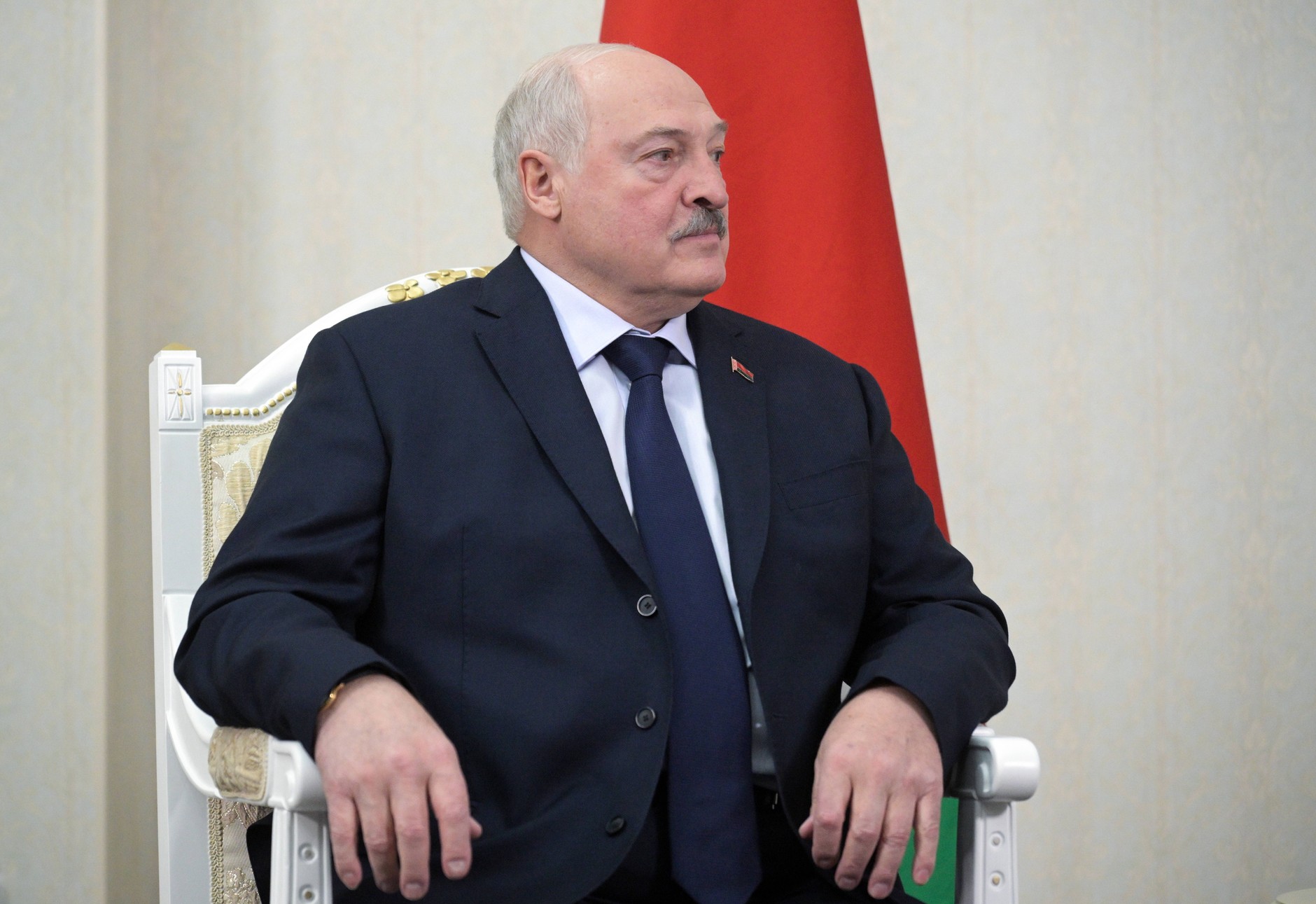
Alexander LukashenkoAlexei Nikolsky, Sputnik, Kremlin Pool Photo via AP / PAP
As Onet's interlocutor states, the main question may not be how much fertilizer Belarus will be able to supply to the American market, but who will be their importer and who will make money on their sale. Access to even just a few percent of the supply, but not subject to tariffs, can be a source of enormous profits.
Importantly, until recently, whenever the West introduced sanctions on Belarus, Russia was happy with it because it increased the Lukashenko regime's dependence on Moscow. Today it is exactly the opposite, and from Russia's point of view, it is beneficial to lift sanctions from Belarus.
This happens for two reasons. Firstly, because Russia is running out of money and the need to subsidize the Belarusian economy is a cost that Moscow will be happy to get rid of. Secondly, in the Kremlin's belief, Lukashenko has no room for maneuver today, and regardless of whether the West lifts or maintains sanctions, Minsk will no longer fall out of Moscow's orbit.
It is in the interest of Poland and European countries to maintain, not lift, sanctions from Belarus. This increases costs for Moscow. Moreover, the worse the economic situation in Belarus, the greater the chance of a social explosion, which is now the only possibility of overthrowing the regime. The point is that this means that in terms of policy towards Belarus, the United States is no longer an ally of Poland.