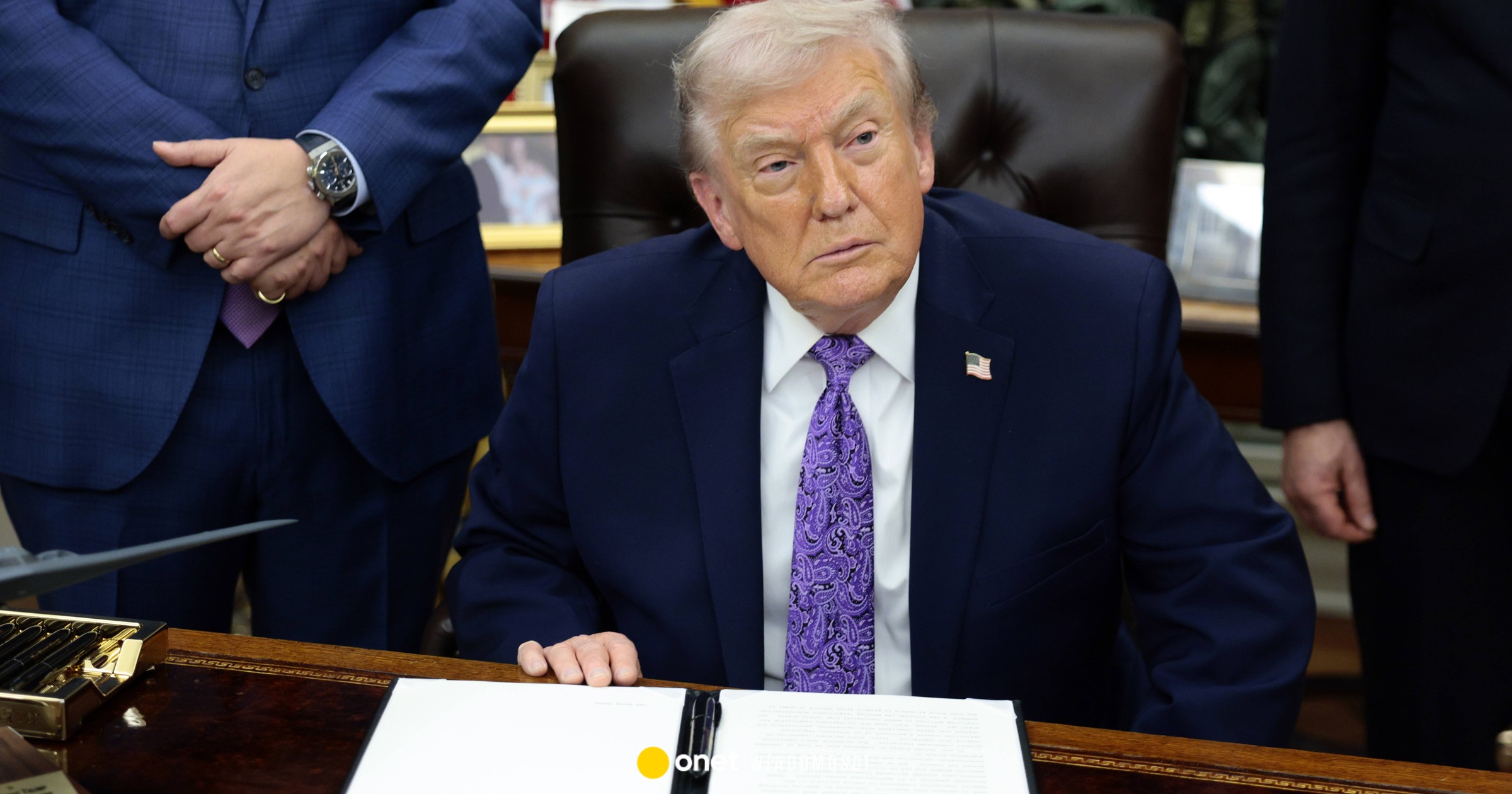
Donald Trump presents himself as an outstanding architect of peace. However, when we take a closer look at his alleged “peace agreements”, we can clearly see how fragile and unstable these structures are. Trump's Ukraine negotiators should closely monitor these experiences and learn from them.
Donald Trump has long boasted about his ability to quickly end conflicts – so intensely that it was even reflected in the introduction to the recently published US National Security Strategy.
Today, this self-proclaimed “chief peacemaker” is focused on a quick end to the Russian-Ukrainian war. According to reports, he wants to reach an agreement before Christmas, putting Volodymyr Zelensky's administration in an extremely difficult situation: it must simultaneously navigate between a flawed approach to talks with the Kremlin and a real risk of losing American support.
But as the Trump administration presses Kiev to speed up negotiations, renewed outbreaks of violence in other parts of the world should raise red warning lights.
Fighting has resumed both between Thailand and Cambodia – despite the “Kuala Lumpur Peace Agreement” signed by Trump – and between the Democratic Republic of the Congo and the Rwandan-backed M23 fighters, despite the agreement concluded and later confirmed in Trump's presence in Washington.
Moreover, Hamas has just threatened to block further work on the US 20-point peace plan, citing alleged violations by Israel. These examples from abroad carry important lessons that negotiators in Washington and Kiev should take very seriously.
Why a signature is not enough
The first is simple, yet often ignored: peace cannot be guaranteed with one solemn signature on a document. Peace is a process, not a one-time event. No one knows this better than Ukrainians, who painfully experienced the failure of the Minsk agreements.
“Minsk I” and “Minsk II” were intended to stop Russian aggression after the Kremlin troops entered Donetsk and Luhansk and after the annexation of Crimea in 2014. However, the world learned how durable these arrangements were when, in February 2022, Russia launched a full-scale invasion.
The truth is that a peace agreement is just one step in a long journey – and the size of that step depends on the content and quality of the agreement itself.
The subsequent implementation of the peace provisions is hard, tedious work requiring determination, resilience and high competence.
Since the U.S. government has chosen to take on the role of mediator, it must also assume some responsibility for implementing the agreements it helps negotiate.
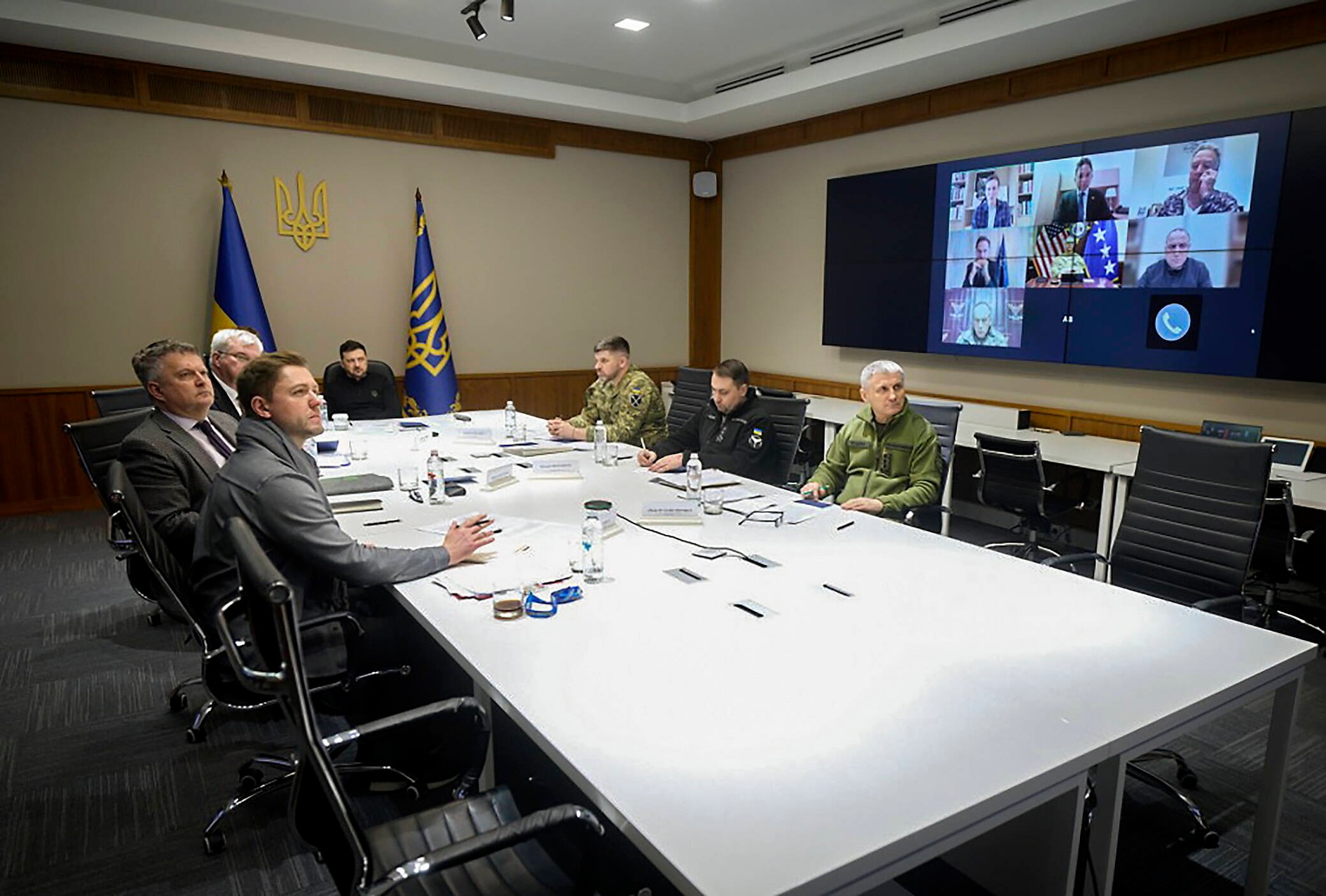
One of the key elements of this responsibility is security guarantees. President Zelensky confirmed that the agreement on defense obligations is one of three documents that American and Ukrainian negotiators are currently working on – alongside the “20-point peace proposal” and the agreement on the post-war reconstruction of Ukraine.
Ukrainian President Volodymyr Zelensky (center) with members of his team during a video conference with US officials on one of the three key peace documents, Kiev, Ukraine, December 11, 2025.PAP
The fact that the U.S. government is considering defense commitments at the alliance level is good news for the sustainability of the peace process. However, the resumption of fighting in Southeast Asia shows that even this does not solve all the problems – after all, Thailand is a formal ally of the United States, and yet blood is still shed there.
The reality is harsh: a guarantee alone is not enough to prevent bloodshed.
Security guarantees are rarely as clear as they appear on paper. In theory, a defense obligation means that in the event of an attack, the guarantor state comes to the rescue. But what if we are not dealing with an outright invasion, but a series of smaller, destabilizing incidents? Or when both sides accuse each other of provoking an event that leads to renewed escalation – as is the case in Central Africa, Southeast Asia or the Gaza Strip?
It is worth emphasizing this again: guarantee alone will not stop violence. This is a lesson that Ukrainians know all too well from the experience of the Budapest Memorandum of 1994. Perhaps some believe that a commitment “based on NATO Article 5” would be more effective, but even it will not fulfill its role if it is not supported by additional, specific mechanisms.
The most reliable way of enforcing obligations is “boots on the ground” – that is, the physical presence of the troops of the guarantor state on the territory of the country covered by the agreement. This is not only a clear signal that deters a potential aggressor, but also the opportunity to have people on the ground who can quickly respond to disinformation and manipulation that influence security decisions. Of course The Kremlin will firmly oppose the presence of American troops in Ukrainebut there are other solutions, such as sending US military personnel as unarmed external observers to supervise the implementation of the agreements.
When an agreement leaves loopholes
This leads to the third key lesson from the renewed outbreak of fighting around the world: the enormous role of third parties in the peace process. In post-war conditions, third forces usually have three basic tasks:
deter aggression,
prevent overreactions to incidents
and supervise the implementation of the provisions of the peace agreements.
Currently, there are no third parties in Central Africa, Southeast Asia or the Gaza Strip that can effectively perform all of these functions simultaneously. Negotiators seeking a permanent ceasefire between Russia and Ukraine they can't make the same mistake.
Third parties are helped in their actions primarily by the precision of the provisions of peace agreements. The lack of specifics creates loopholes that can be exploited by opportunistic players, while the detail and clarity of the provisions facilitate their effective implementation.
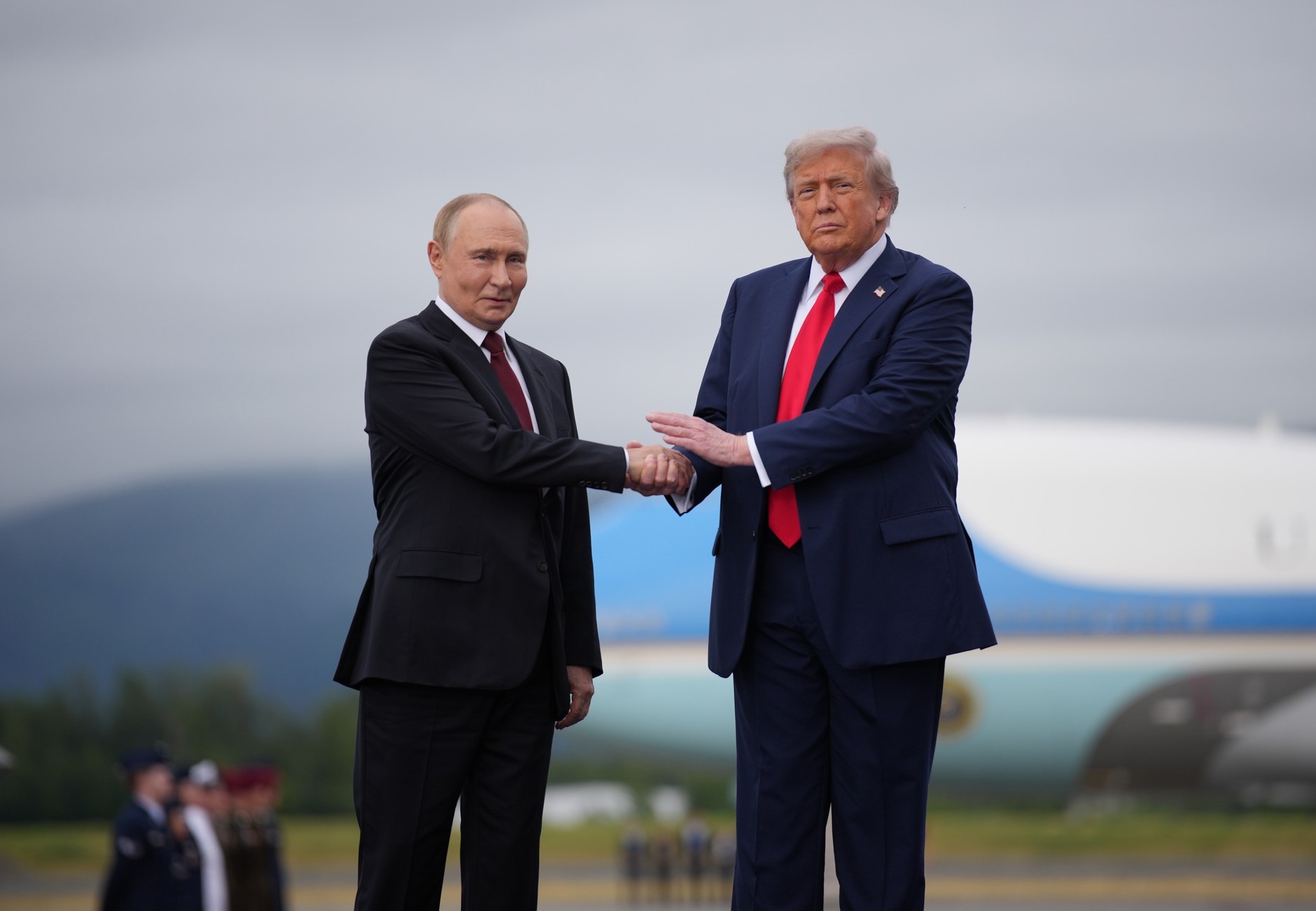
Vladimir Putin and Donald Trump in Alaska, August 15, 2025.Andrew Harnik / Staff / Getty Images
The two-page Kuala Lumpur Peace Agreement was full of generalities — as was the 20-point plan for Gaza. The agreement between the Democratic Republic of the Congo and Rwanda was broader, but still lacked the depth needed to sustain a lasting peace process. American and Ukrainian negotiators must ensure that the arrangements they reach with the Kremlin are clear, consistent and transparent, which will significantly increase the chances of success during the implementation phase.
The ceremony is not the finale
And this leads to a final, extremely important lesson: signing a peace agreement does not mean the end of negotiations. In fact, it is only a transition to their next phase.
After concluding the contract, discussions begin regarding its implementation – setting priorities, interpreting the provisions and resolving disputes. In parallel, negotiations should take place aimed at removing the deep, structural causes of the conflict. Without this, the risk of renewed fighting will remain high.
Therefore, the parties to today's talks must prepare now a clear action plan for tomorrow's negotiations.
Ultimately, the acute security crises in Central Africa and Southeast Asia and the continuing threats to the peace process in Gaza should constitute an important point of reference for Russian-Ukrainian negotiations.
They remind us how important it is not to rush into failure. American commitments must be secured not only during the signing ceremony and not only on paper. Robust third-party oversight is necessary on the implementation of a clearly defined agreement and readiness to continue negotiations even after a ceasefire.
In this context, foreign examples remain a valuable warning, showing why all these elements are absolutely crucial.
I’m Ashley Davis as an editor, I’m committed to upholding the highest standards of integrity and accuracy in every piece we publish. My work is driven by curiosity, a passion for truth, and a belief that journalism plays a crucial role in shaping public discourse. I strive to tell stories that not only inform but also inspire action and conversation.