INTERVIEW “It's hard to imagine what it's like to be a national fighter and, three decades later, defined as an enemy of the people” – about a great Romanian PNȚ politician, almost unknown today

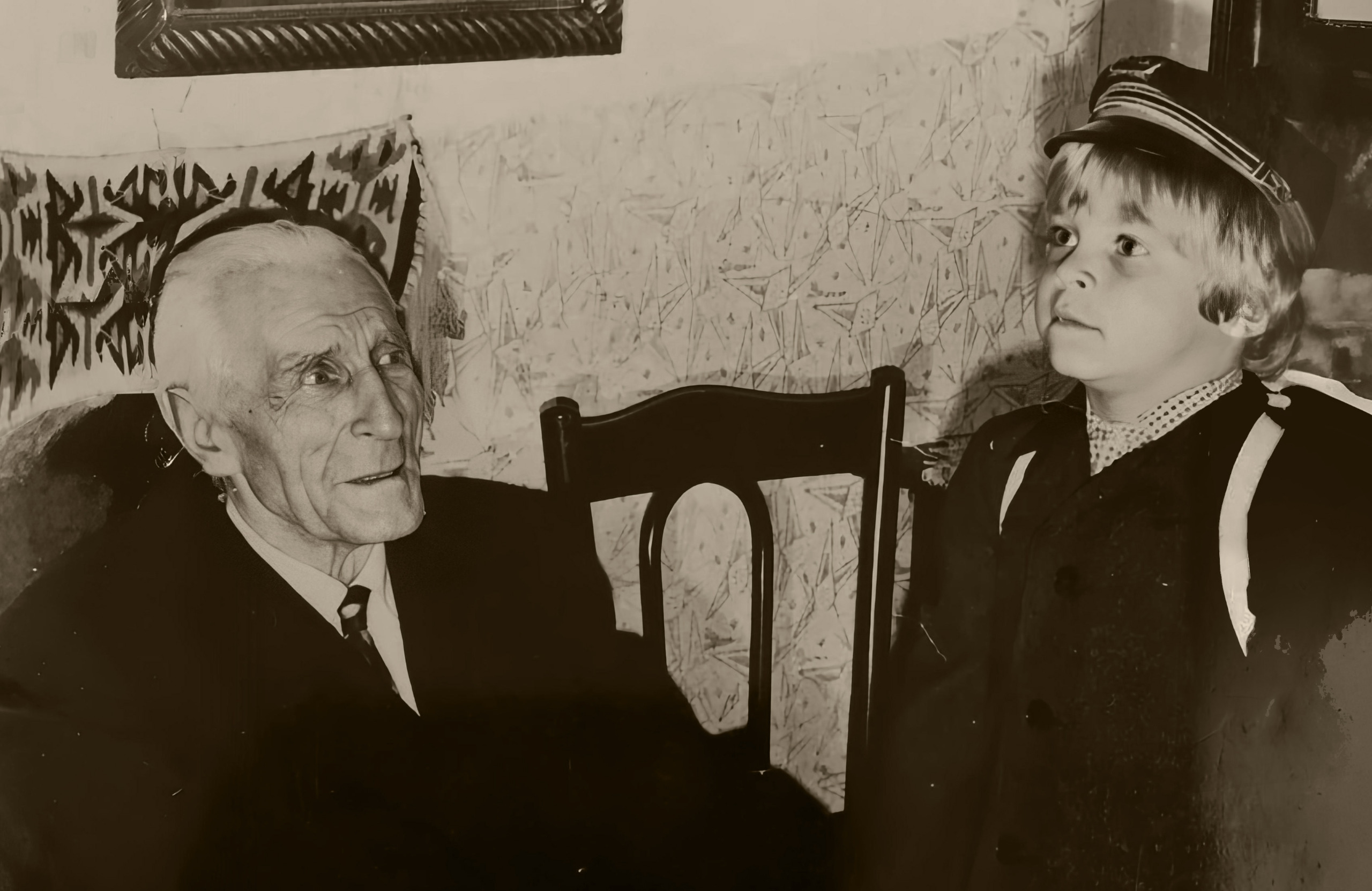
Professor Ioan Stanomir talks about Ilie Lazar as one of the last great politicians of the 20th century, still relevant today. “What these people urge us is not to be abject, not to betray our country, not to deceive our compatriots,” says Ioan Stanomir, in an interview for the HotNews audience. Peasant politician and jurist, Ilie Lazar was the youngest of Transylvania's delegates in 1918 at the union with Romania, and this month marks the 130th anniversary of his birth.
– HotNews: Professor, how would you briefly introduce Ilie Lazar?
– Ioan Stanomir: Ilie Lazar was a politician who belonged to the National Peasant Party, but was involved in all the significant events that defined the 20th century, between 1918 and 1947. His name is linked to the unification of Transylvania, to the unification of Bucovina, it is linked to the interwar period and the fight against the Carlist and Antonesian regimes, but also the fight against communism.
He is one of those who spent a terribly long time in communist prisons and who defined a standard of courage, heroism and resistance.
“That united them and made them indestructible”
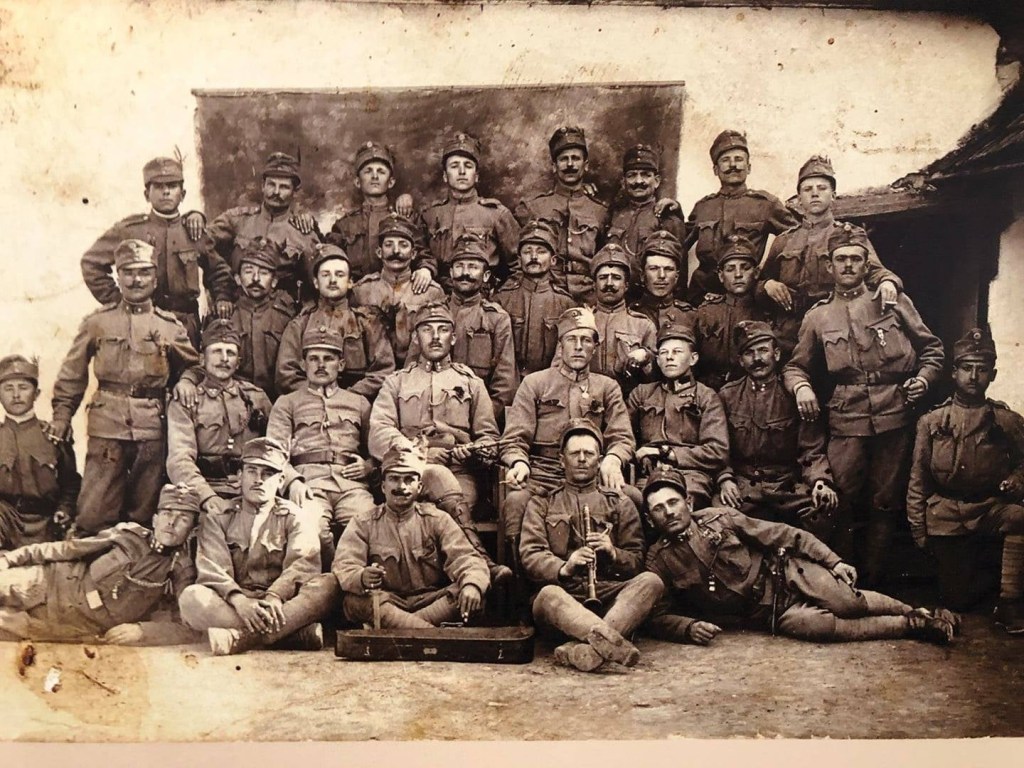
– Was Ilie Lazar different from other politicians of his time or did he fit into the pattern of that period?
– I think the question should be asked not only in relation to Ilie Lazar, but also in relation to Iuliu Maniu. Ilie Lazăr had a privileged and special relationship with Iuliu Maniu, because they both had in common a type of reporting on politics and ethics that was rarely found in the era. Both believed in patriotism, both believed in democracy, both believed in the ability of citizens to express themselves freely without being restricted by the totalitarian state. That united them and that made them indestructible, even if their lives were ended tragically, after 1947, which meant arrest, detention, and in the case of Iuliu Maniu, death in Sighet prison.
– In a text from Contributors you said that he remained loyal to Maniu until the end. What did political loyalty mean then and how does it compare to today?
– I don't really make comparisons with the present because the present is defined by completely different parameters and completely different ways of political interaction, but loyalty to Iuliu Maniu was not valued by everyone. If we look, for example, at Ilie Lazar compared to Armand Călinescu or Mihai Ralea, we can see that Ilie Lazar remained faithful not only to Iuliu Maniu, but also to democracy. Mihai Ralea and Armand Călinescu chose to support totalitarian regimes. Armand Călinescu on the Carlist side, Mihai Ralea on the Carlist side and then on the Communist side. It is a fateful choice that must be remembered as such.
“Devotion to those you represent”
– You said that “the lives of Ilie Lazar show the sensitivity of assuming national dignity”. What does a contemporary assumption of this national dignity look like?
– A contemporary assumption is not different from the one back then. It's about honor, honesty, avoiding demagoguery, devotion to those you represent, avoiding behavior that dishonors you. What they defined then, Iuliu Maniu, Ilie Lazar, Ion Mihalache and closer to us Corneliu Coposu, is not so difficult to achieve. It only matters that you have a kind of moral sense to help you distinguish abjection from honor.
Nina Moica is “from the ethical cut” of those politicians
– There could be voices that compare the politicians of Ilie Lazar's time with those of now. Those people will ask where the “change” of politicians took place. How would you answer?
– First of all, I think we have to put things in their natural place. Not all interwar politicians were like Ilie Lazar or Iuliu Maniu. Not all interwar politicians had the patriotism of Dinu Brătianu, the moral courage of Ion Mihalache. I think these things must be well understood. The interwar period was a period dominated, unfortunately, by a type of imperfect democracy, which later gave way to authoritarian and totalitarian regimes.
Ilie Lazar tried and succeeded in being faithful to the end to a man in whom he recognized the embodiment of these principles. It is about Iuliu Maniu. But he was loyal, above all, to the country he loved and whose birth he contributed to. It is hard to imagine today what it means to be a participant in the Union of 1918 and two decades later to witness the collapse of Greater Romania. It's a heartbreak we can't imagine.
It is hard to imagine what it means to be a national fighter and then, three decades later, to be defined as an enemy of the people and imprisoned, denounced, reviled and crushed. Ilie Lazar went through all this, but he did not leave. And I would say something, there are still today people made from the cloth of Ilie Lazar. The book of testimonies of Mrs. Nina Moica, president of the Association of Former Political Detainees, was recently published. It appeared at Polirom and was awarded the Monica Lovinescu award.
Those who read it can see that Mrs. Nina Moica has that ethical cut that Ilie Lazar also had. So, great characters are formed in the moments when others give in, others are cowards. Their courage is defined against this backdrop of surrender. We honor their courage precisely because others were cowards. Ilie Lazar is remarkable. It is a correction because others have chosen surrender, others have chosen cowardice.
It is not the hero to look for, but classic honestyUm
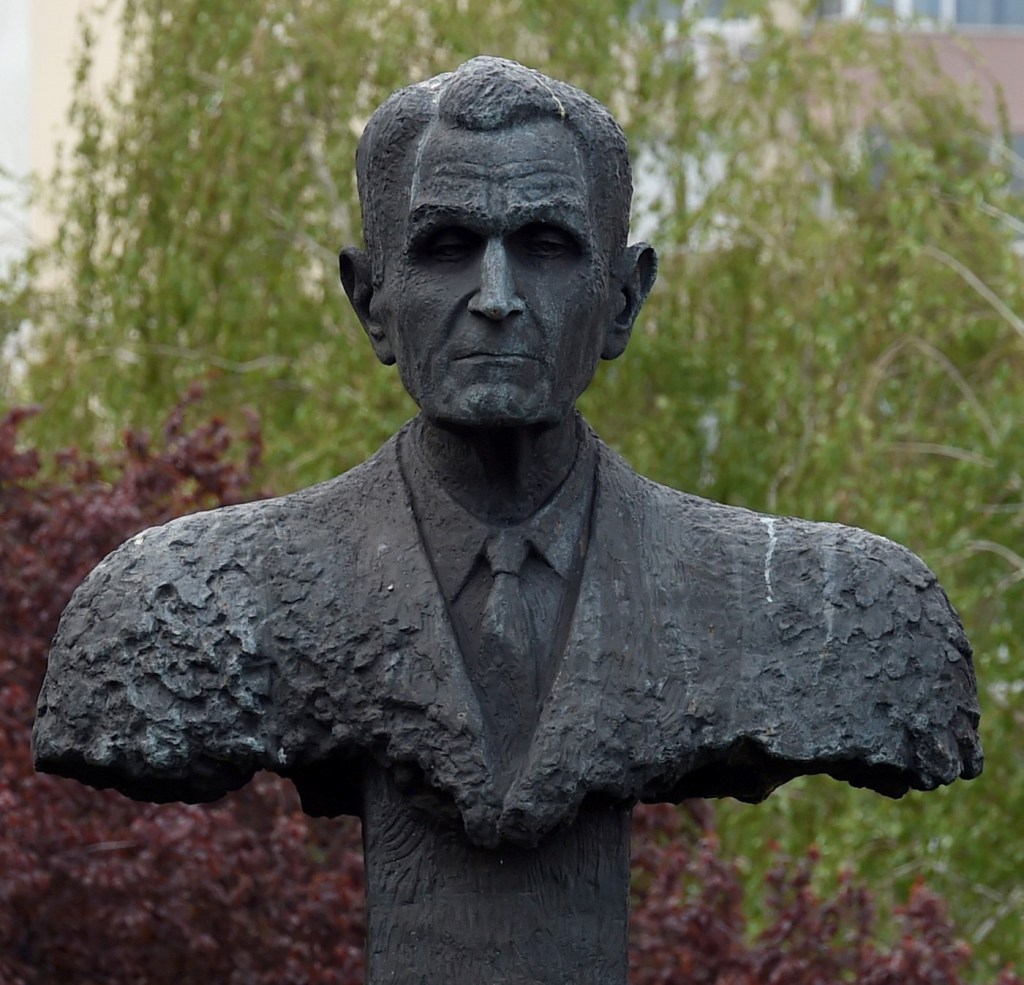
– If Ilie Lazar were alive today, what do you think he would have thought about Romanian society?
– Ilie Lazar should not be invited to pass judgment on our society today. Ilie Lazar, I believe, sets a moral and political standard to which we must aspire. He, Iuliu Maniu, Corneliu Coposu, Elisabeta Rizea, Monica Lovinescu and then, as I said, a personality like Mrs. Nina Moica, a political prisoner.
They were and are the ones who define a standard. We cannot touch it, because we cannot make their sacrifices. We can't be like Corneliu Coposu, we don't have this amazing tenacity to be brave, but we can at least not be scoundrels. I think we can do that. And what they exhort us is not to be abject, not to betray our country, not to deceive our countrymen.
All this is possible today, without necessarily being heroes.
“If it wasn't for them, the Romania we live in today wouldn't have existed either”
– What remains of Ilie Lazar's destiny for us and how can we turn it into something alive, not just a page from the manual?
– These days it will take place in Maramureș, in the birthplace of Ilie Lazar. An emotional event organized by the Corneliu Coposu Foundation (no – the commemoration of the 130th anniversary of the birth of Ilie Lazăr) and Mr. Gherasim, the president of the foundation. Ilie Lazar will be at home there again. As I wrote, these fighters from Transylvania had a special moral structure. They didn't come from nowhere. They came from two centuries of toil, sacrifice, devotion, diligence, culture, faith. This was Elijah Lazarus. This was also Corneliu Coposu. This was also Iuliu Maniu, George Pop de Băsești and Simion Bărnutiu.
When we look at Ilie Lazar or Iuliu Maniu, we must also look at the memorists. Those who affirmed the right of the Romanian nation in Transylvania to be equal with the other nations. We owe them so much.
If they had not been there, the Romania we live in today would not have existed either. And I believe that the extraordinary sacrifice, although the words are dull, the extraordinary sacrifice of Elijah Lazarus is fulfilled in posterity. Because he translates through his existence, into concrete facts, the concept of patriotism.
That, in fact, is his legacy to those today.