President Vucic of Serbia promulgated the controversial justice reform criticized by the European Commission / “A major setback”

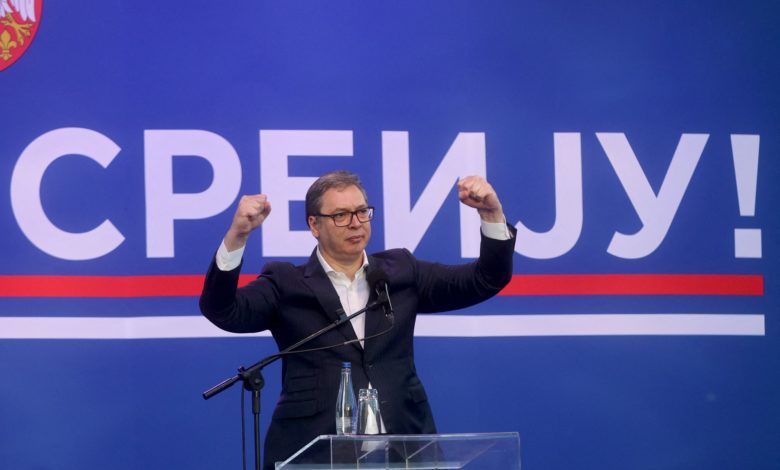
Aleksandar Vucic, President of Serbia, PHOTO: Sasa Djordjevic / AFP / Profimedia Images
The President of Serbia, Aleksandar Vucic, signed on Friday the controversial judicial reform which, according to the European Commission, distances Serbia from joining the European Union and which, according to the opposition, represents a serious setback for democracy, strengthening political control over justice.
Thus, the legislative amendments approved by the parliamentary majority of President Vucic's nationalist party, SNS, entered into force, which, according to the professional associations of judges and prosecutors, NGOs for the defense of democracy and the opposition, put the last vestiges of judicial independence in Serbia under the direct control of the political power, write EFE and Agerpres.
The European Commission asked Belgrade on Wednesday to review its decision “as soon as possible” and harmonize the legislation with European standards.
The European executive estimated that the reform “undermines the independence of justice, as well as the autonomy and functioning of the prosecutor's office” and emphasizes that it was adopted in a “very hasty and less transparent” manner.
The Supreme Prosecutor's Office (SPC) in Serbia had already warned this month that both the content of the amendments and their adoption procedure, without prior consultation with the competent institutions or verification of their compliance with EU standards, represent “a negative precedent and a major setback”.
On Friday, the Minister of Justice, Nenad Vujic, also filed a complaint against the President of the VST, Branko Stamenkovic, for the alleged crime of “irresponsible work”.
The main judicial changes
Among the most criticized reforms is the one related to the Prosecutor's Office for Organized Delinquency (TOK), one of the few judicial bodies that until now had remained independent and which comes under the authority of senior prosecutor Nenad Stefanovic, considered a close associate of President de Vucic, which raised fears about the loss of autonomy.
In addition, halving the number of TOK magistrates will slow its work, including the investigation opened last year into serious corruption allegations related to the reconstruction of Novi Sad train station, where 16 people lost their lives on November 1, 2024, when an awning collapsed, a tragedy that triggered a massive wave of anti-government protests.
President Vucic, who has repeatedly called TOK “a gang of criminals” in recent months, had seven days to sign or reject these controversial amendments.
 The president of Serbia refuses the anticipated and threatens with new arrests after the protest in Belgrade. “No negotiation with terrorists and those who wanted to destroy the state”
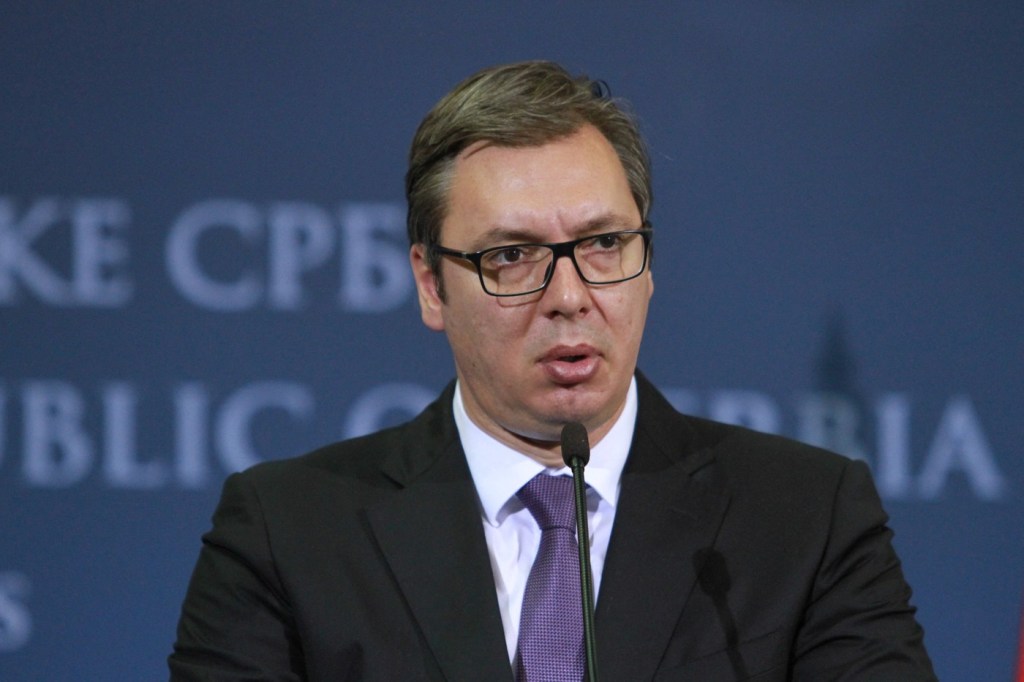 Serbia's President Vucic promises 'strong response' to protesters after new anti-corruption protests