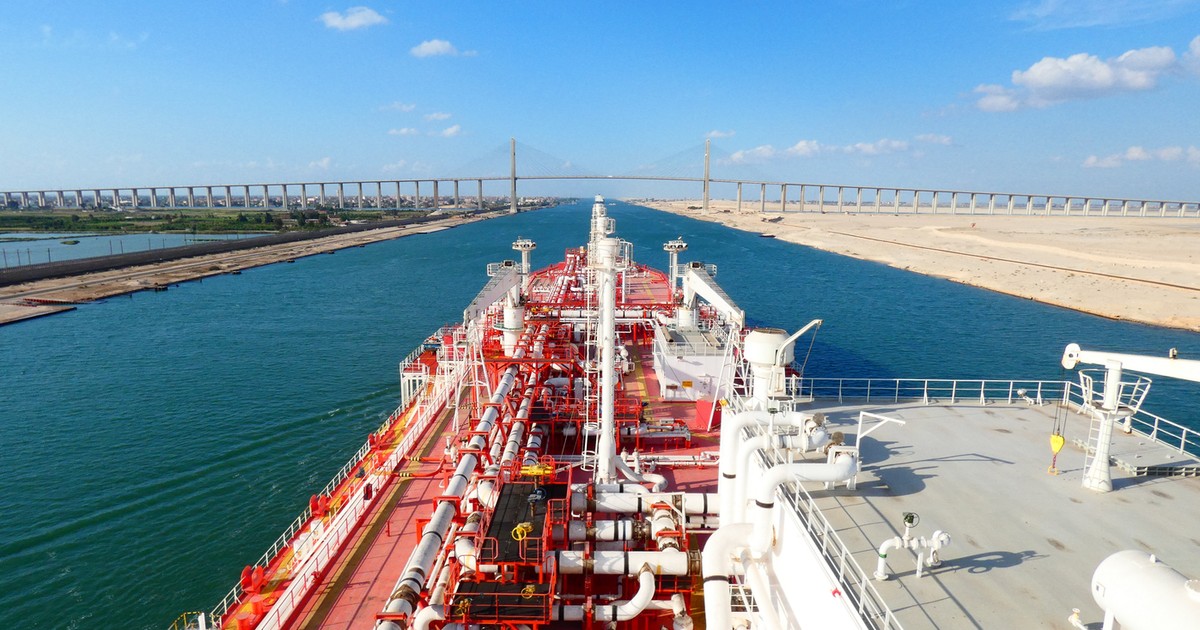
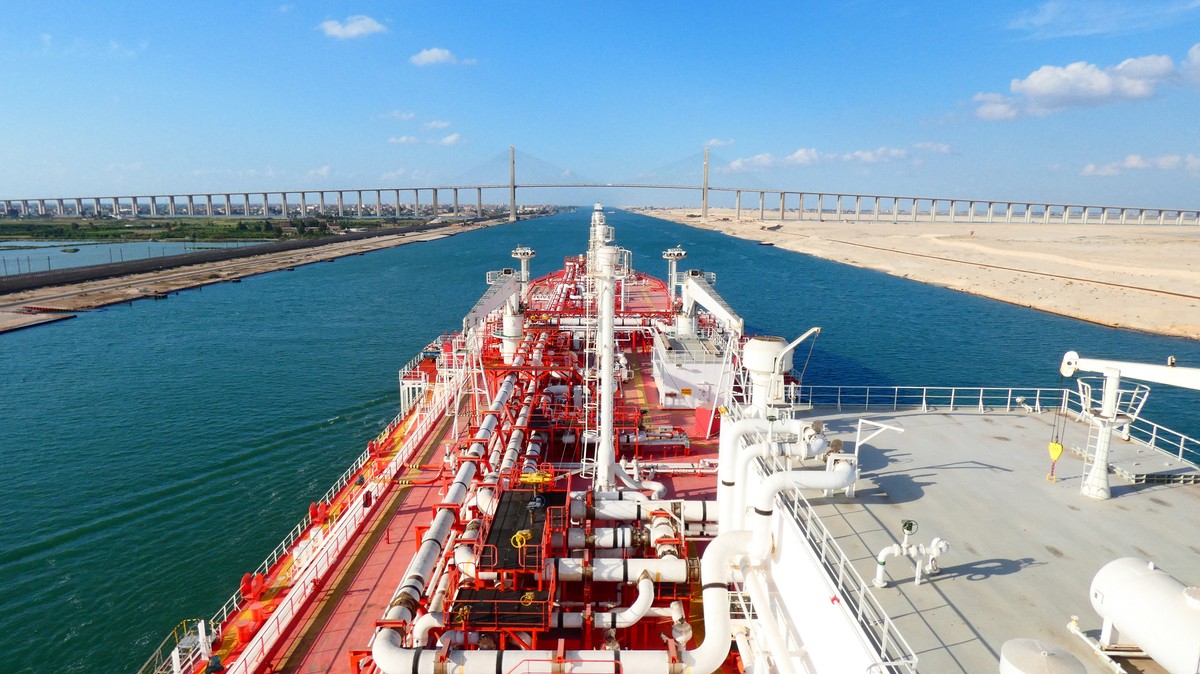
The Suez Canal, a key route connecting Asia with Europe, has become less trafficked since November 2023 due to attacks by Houthi rebels. Shipowners, fearing for the safety of their ships and cargo, directed container ships to a longer route around the Cape of Good Hope.
The text continues below the video
According to data from the US Defense Intelligence Agency, from November 2023 to June 2024. container traffic through the Suez Canal decreased by approximately 90%. and then remained at this low level.
Uncertain agreement and actions of the Suez Canal Authority
The agreement between Hamas and Israel and the Houthi rebels' declaration to suspend attacks on merchant ships have sparked cautious optimism. However, as experts note, stability in the region is still in question.
The Suez Canal Authority is taking intensive steps to convince shipowners to return. Admiral Ossama Rabiee, chairman of the Suez Canal Administration, met with representatives of the largest shipping companies, offering them discounts and assurances of improved safety.
Nevertheless, shipowners remain skeptical. Michał Madej, Sea Freight Import Manager at DSV-Global Transport and Logistics, emphasizes that the risk associated with freight via Suez is still too high. An example would be shipowner who had to use naval escort while crossing the Channel. Currently, the route through Suez is used sporadically, mainly on return flights, i.e. with smaller loads.
Stability is a priority for shipowners
DSV's ocean freight analyst team indicates that a return to regular shipping through the Suez Canal would require significant investments and route reorganization. After two years of using an alternative route around Africa, economies and businesses have adapted to increased transit times. Experts emphasize that predictability is a key element for shipowners, and the current political situation in the region does not guarantee stability.
— A permanent reduction in the number of incidents in the Red Sea region is essentialto reduce the cost of insurance policies. Without this, the return of shipping to the Suez Canal route remains unlikely, says the expert.
Faster transit versus logistical challenges
The possible restoration of regular services through the Suez Canal would bring benefits such as shortening transit timebut also with challenges. Experts point out the possible overload of European ports, which are already struggling with congestion (traffic jams at the entrance to the port). An increase in the number of ships calling at ports could increase logistical problems, such as longer waiting times for customs clearance or warehousing.
Michał Madej adds that in key ports such as Hamburg, Rotterdam and Antwerp, the filling level of warehouse yards reaches up to 90%. The accumulation of incoming goods could deepen these difficulties, especially since some cargo must wait to be transhipped to smaller feeder ships (smaller container ships that collect containers from smaller ports and deliver them to the main hubs).
How to prepare for the return of shipping through Suez
Experts emphasize that importers should now consider cooperation with large logistics operators who are able to alleviate potential difficulties associated with the return of shipping through the Suez Canal. An important factor is the availability of warehouse space and comprehensive customs services.
— In the event of long-term political stabilization in the Red Sea region, the question will not be whether container shipping will return to the Suez Canal route, but when and how sudden this change will be – summarizes Michał Madej.