INTERVIEW A scene from Budapest that Irina Margareta Nistor wants to see in Bucharest: “Not only were there a lot of people in line, but they were also very young”


Is Bucharest a city to love? Yes, with one condition, says film critic Irina Margareta Nistor: “There must also be a form of love of the city towards you, it must be something that comes from both sides. I mean, you can't be the only one to love him and he can ignore you and leave all the mud and all the mess for you. Let works be started that never end, let our gas be cut off and let it be cold to wrap yourself with the cat!”.
- Film critic, Irina Margareta Nistor is known for secretly dubbing, during the communist period, more than 3000 films recorded on video cassettes and brought from the West.
- Before the elections for the Capital's City Hall, HotNews invited the public to look at Bucharest differently than we often do – to see not only what we are not satisfied with in the city, but also what is good about it. You can read the interviews with the writers Radu Paraschivescu and Ioana Pârvulescu and the actress Ana Ularu.
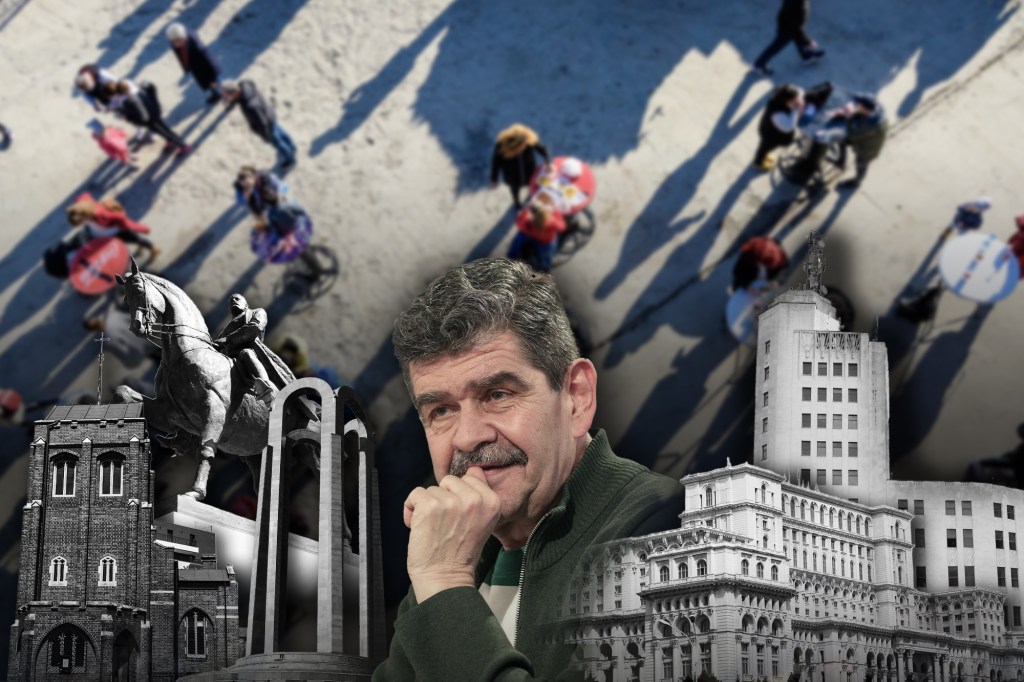 INTERVIEW. Radu Paraschivescu, before the elections in Bucharest: “I would change only one thing about this city”
From her first money, earned as a student on a translation, Irina Margareta Nistor took her mother out to the Capșa restaurant, the emblematic restaurant in Bucharest, where she used to go with her parents to eat hazelnut parfait as a child. The memory from that time, from the end of the 70s, is connected to another one, experienced recently in another capital.
“I recently returned from Budapest, and there was a huge queue at the New York Café (no New York Café), where all the great writers used to come and which they say is the most beautiful in the world. Not only were there a lot of people in the queue, but they were also very young, I don't know if I saw two who were over 30 years old. We also have Capsa today, only the Hungarians were clever enough to call some bloggers to write about this place and become very fashionable”, says the film critic, in an interview for the HotNews audience.
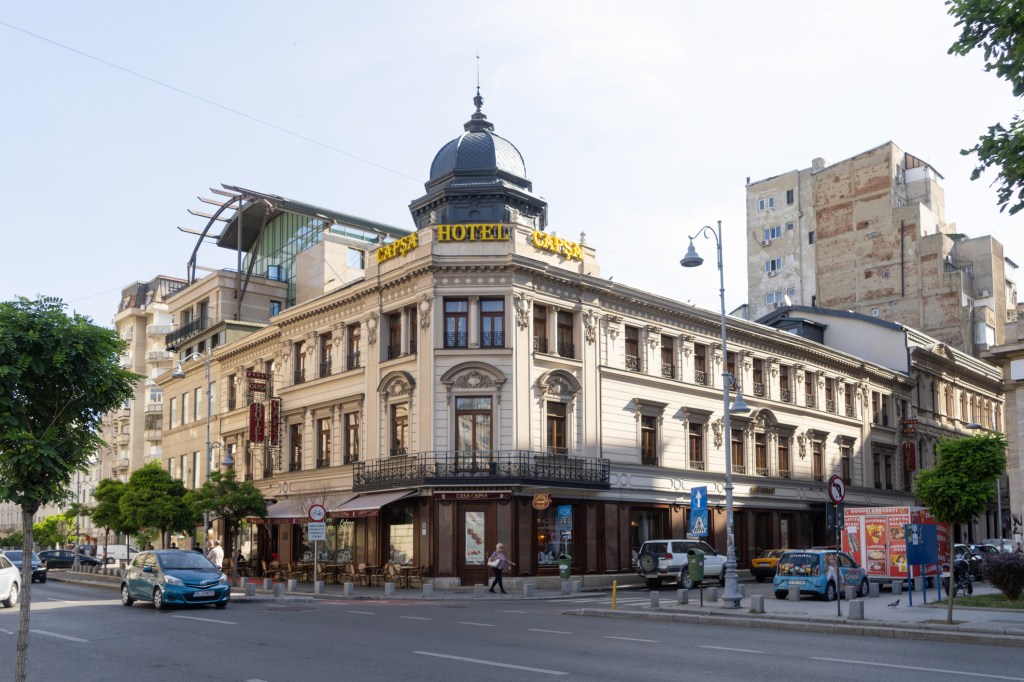
The example he gives becomes a plea for the need to put more value on the beautiful places in the capital of Romania.
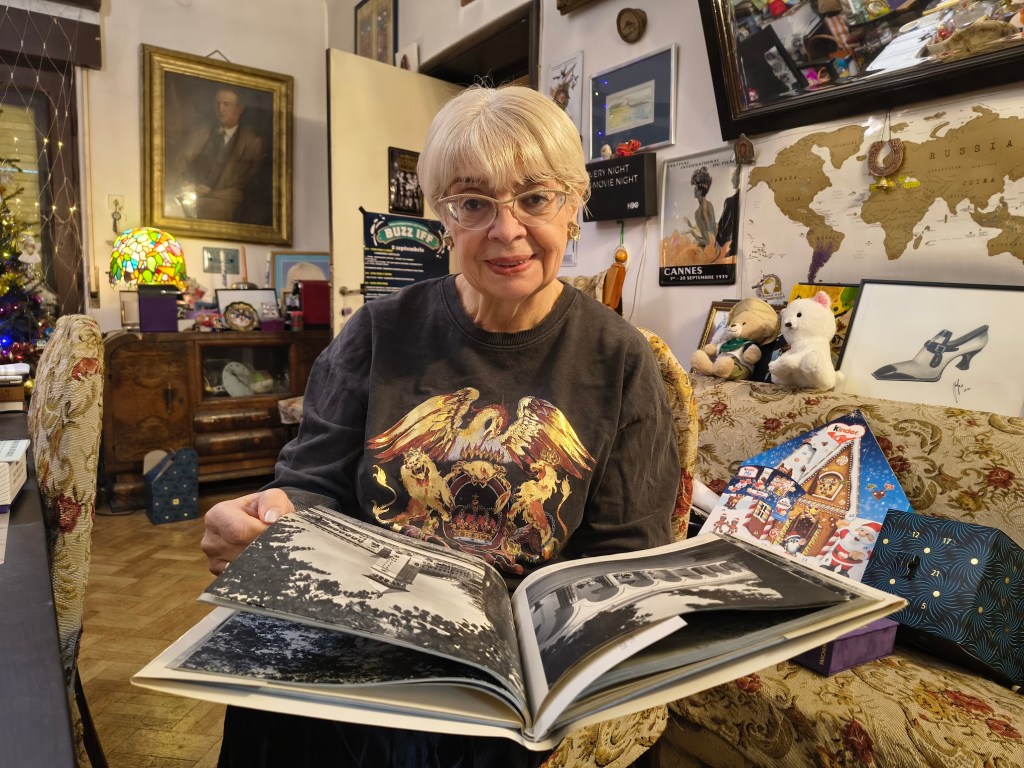
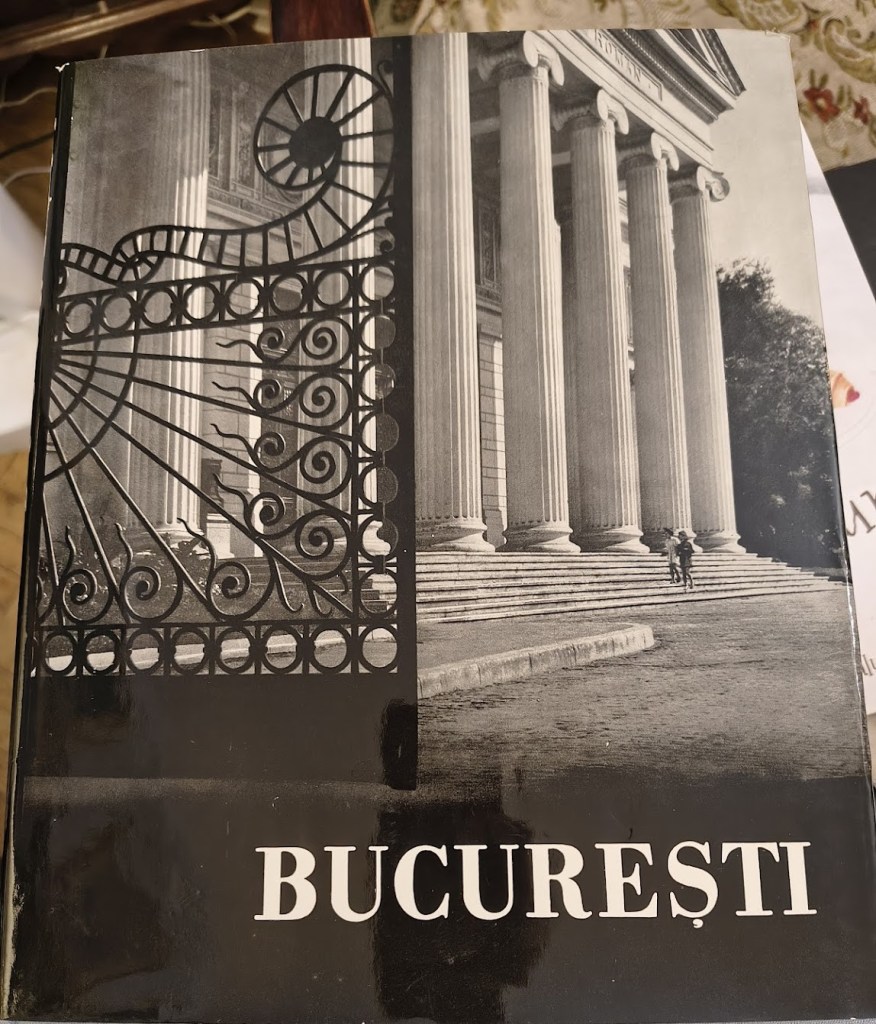
I met Irina Margareta Nistor in her childhood home, built at the end of the 1930s in an area of the Capital that was spared from the communist demolitions. He flips through an album with photos from Bucharest, which he recently received from a friend – by coincidence, the album was edited in the year of his birth, 1957. On the cover is the image of the Romanian Athenaeum.
“I learned that Maurice Ravel gave a concert at the Ateneum, but I learned it from a foreign conductor”
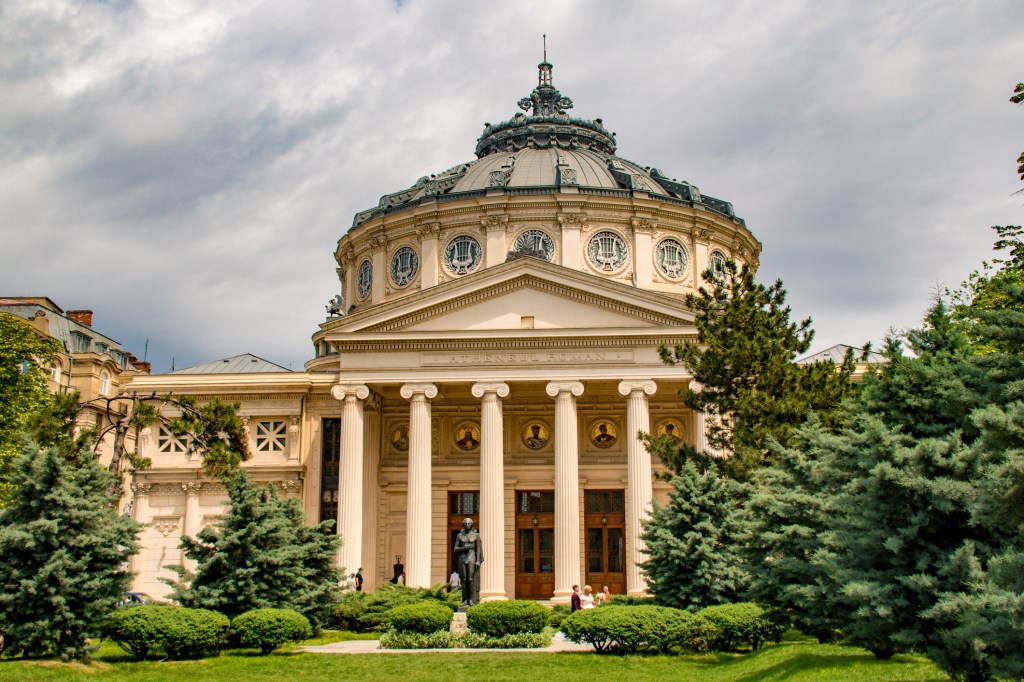
“The Athenaeum is really my favorite building in Bucharest. It is so beautiful, it has a certain kind of mystery. I was watching, especially now, when it was the Enescu Festival, that groups of people came who wanted to visit it even during the concerts. They were told, of course, that they could not enter, but I thought it was very nice that people wanted to see it”, says Irina Margareta Nistor, whose family has lived in Bucharest for five generations.
 Ana Ularu, the actress who played alongside Tom Hanks, declaration of love for Bucharest: “I still hope that minds will come back to their heads and that the image of the city will be respected”
However, he believes that the stories related to the Romanian Athenaeum, but not only, should be promoted more, to be known by people. For example, during the interwar period, the great French composer Maurice Ravel conducted a symphonic concert at the Athenaeum. “I recently learned that Maurice Ravel gave a concert at the Ateneum, but I learned it from a foreign conductor, I think it was good that we had this information,” says Irina Margareta Nistor.
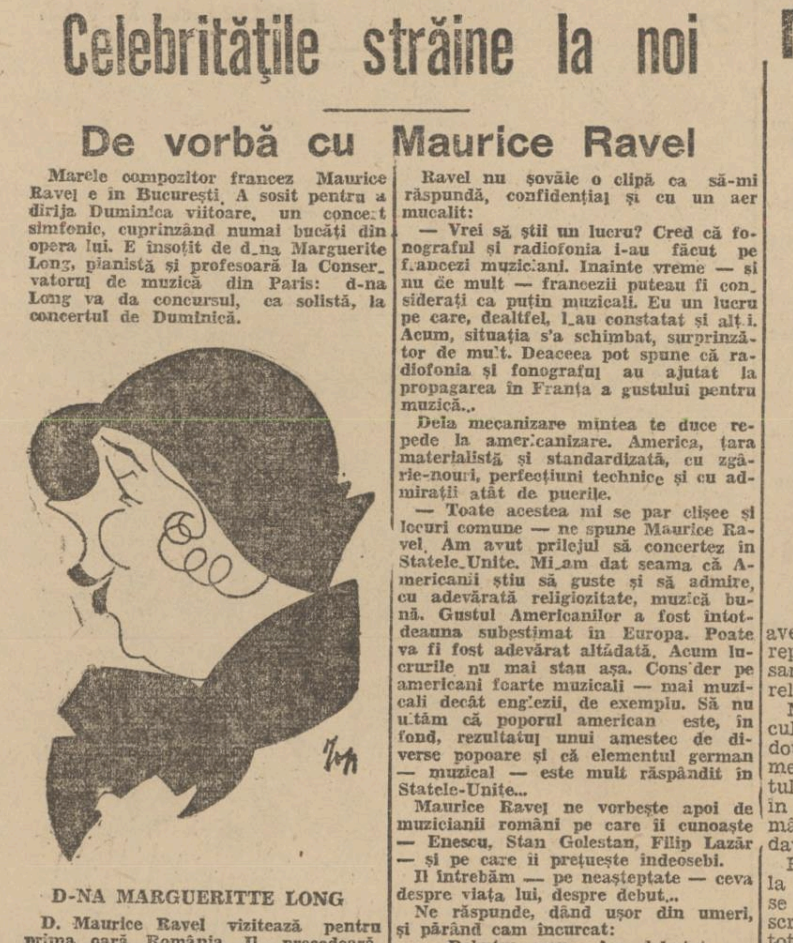
In 1932, Maurice Ravel came to the capital of Romania to conduct a concert composed of his work, stayed at the Athénée Palace hotel and took Bucharest for a walk as a tourist. In an interview for the “Dimineața” newspaper, the composer spoke about the Romanian musicians he valued: George Enescu, Stan Golestan, Filip Lazăr.
Beyond this historical episode, the Athenaeum remains a must-see on any tour of the city. Another could become, in the opinion of Irina Margareta Nistor, the Foișorul de Foc, one of the essential buildings for the history of the city, which we often pass by without looking at them. Another, the Armenian Church, with its amazing library. “My favorite church is the Armenian Church, it's absolutely extraordinary. Next to it, in the same courtyard, is the most beautiful library in Bucharest, with some old books, beautifully placed, including on the walls. It's a library with soul”, explains Irina Margareta Nistor. On the map of a guided tour in Bucharest, the film critic would also put the Zambaccian Museum, but also the Bellu Cemetery.
“Participating in the life of the city is a form of love”
Before the elections for the Capital City Hall, HotNews invited the public to look at Bucharest differently than we often do. We tried to see not only what we dislike about the city, but also what is good about it. In this context, we called some personalities from the cultural world to answer the question: “Is Bucharest a city to love?”.
 INTERVIEW. Before the elections, the “Bucharest writer” recalls that the city also had excellent mayors, such as the one who gave birth to the expression “La Bulivar, birjar! La Bulivar!…” / “This city has a civic conscience”
For Irina Margareta Nistor, Bucharest is a city worthy of being loved, but with one condition. And he says it with humor:
“To love him is to return to him with joy and to have some places that you really want to see again. To participate in his life is a form of love. But there must also be a form of love of the city towards you, it must be something that comes from both sides. I mean, you can't just love him and he will ignore you and leave you with all the mud and all the mess. Let there be works that never end, let us be cut off the gases and let it be cold to wrap yourself with the cat!”.
What Budapest has and Bucharest does not have
One of Bucharest's great losses is the death of the cinemas on Magheru Boulevard – Scala, Patria, Studio, draws the attention of the film critic, who recalls that Budapest has no less than 11 art cinemas.
“We still have a few art cinemas, which are included in other institutions – the Peasant's Museum, the French Institute, they are not independent. Now we are trying (no – Asociația soudăt.org, the Cinema Europa volunteers and the Cinema Europa ambassador, Irina Margareta Nistor, as much as possible, to restore Cinema Europa, the former Miorița, which actually turned 90 years old last week,” says the film critic. Another cinema lost today is Bucharest, from Elisabeta Boulevard.
Irina Margareta Nistor notes, however, the revitalization of Bucharest theaters, where the plays are performed today behind closed doors. “I would like us not to forget that in the 90s there were more actors on stage than spectators in the hall, that is, it took some time until we got here”, points out Irina margareta Nistor.
“I was very happy that Chris Simion succeeded in making Grivița 53 (not the first theater built from scratch after the Revolution), now efforts are being made to build another theater for young people, a real theater, not a basement in which we take refuge. The Luni Theater reopened, from Green Hours, and I was happy again. Of course, Marcel Iureș's theater is formidable, the ACT theater,” enumerates Irina Margareta Nistor.
Instagrammable buildings of the Capital
In recent years, a series of initiatives have highlighted emblematic buildings in Bucharest. “One of my recent favorite places is at Mița Biciclista, which I know how to decorate during the holidays, where there are some very nice tours. There are Initiatives, but it is based on the principle that the man sanctifies the place”, says the film critic.
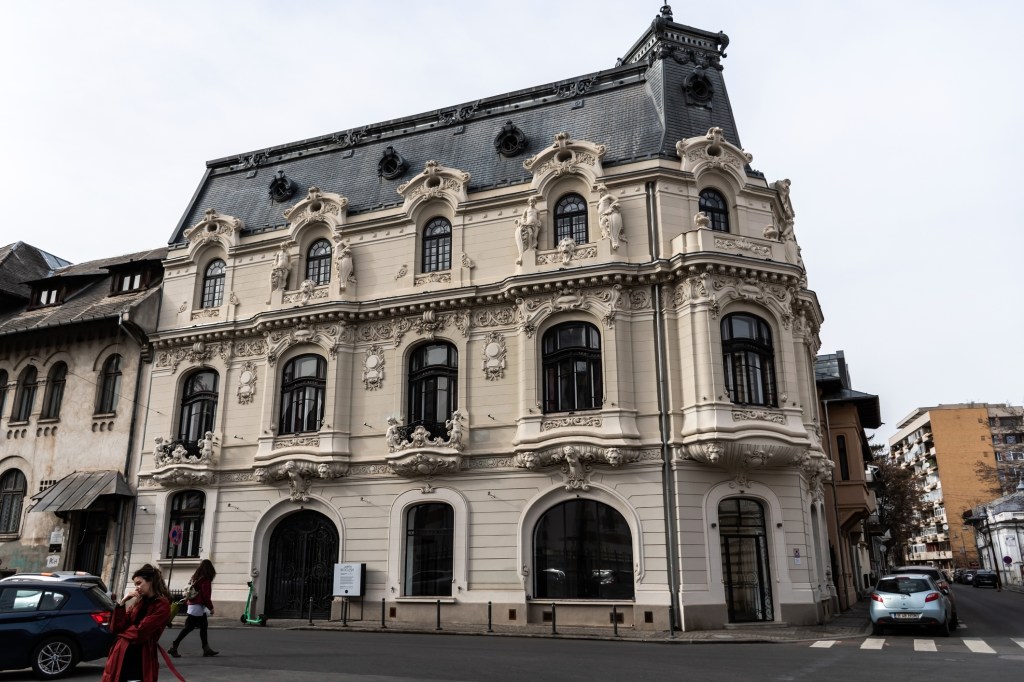
Another building that shines today is the Corinthia hotel, on Elisabeta Boulevard. “It took a long time until they did it, but what came out is the hat! The Continental is beautiful again, it's beautiful first of all because there, in the balcony, was King Mihai and that's what they ennobled forever. Then there's the Novotel, which they built in such a way that it looks like the National Theatre”, says Irina Margareta Nistor.
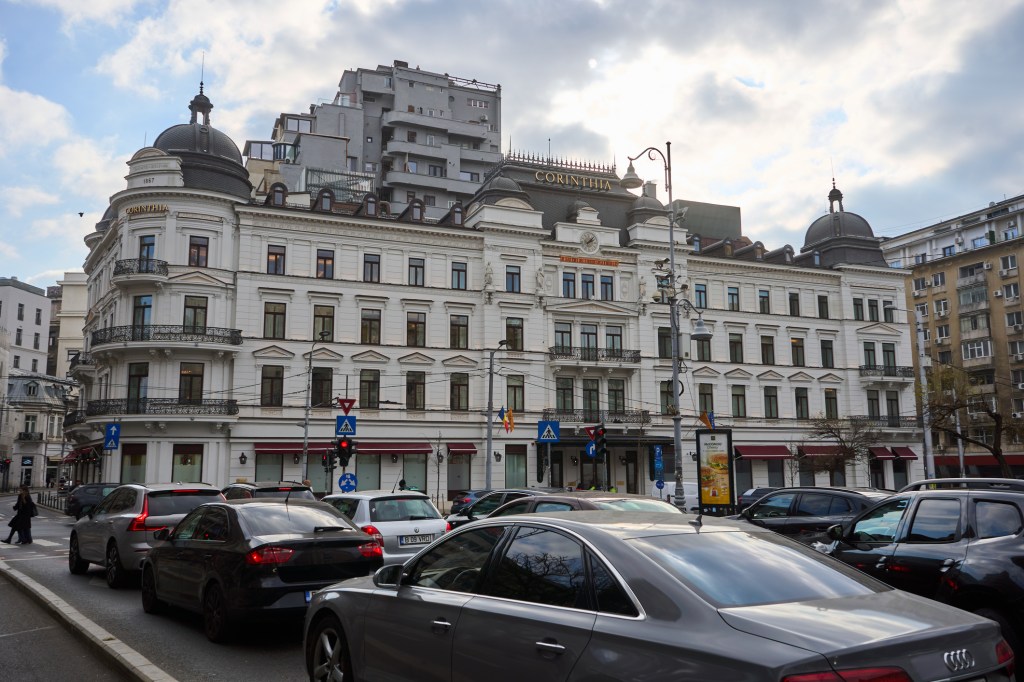
She talks about the spirit of Bucharest, which gathers people from all parts of the country: “It's a cosmopolitan spirit, no one can count how many actually come here from Bucharest, there are people from everywhere. And we can see very well, even now, when there are algae. I had fun because I was with various people, who were sitting here, but who said: “I can't vote, because I don't have a Bucharest ballot”.
A proposal for Bucharest
Beyond the places, the spirit of the city also lies in the small things. What are the details that differentiate it from other capitals? “Our florists. It's full of flowers in Brussels and Paris, but our flowers have more soul, thanks to those who sell them. Who call for you, not necessarily to haggle with you. I get home late in the evening and see that the florists often stay until the morning”, believes the film critic.
Another brand of Bucharest are the confectioneries: “For me, it's a great nostalgia from my own childhood, when they used to take me to Nestor (no building demolished in the 1977 earthquake) or they used to take me to Capșa. It was something extraordinarily beautiful. Now it's become like this, a kind of cramped, it has no elegance anymore”, says the film critic.
A chapter in which Bucharest is good, in his opinion, is that of bookstores: “The bookstores are again very nice, there are relatively many and they are very varied. Not all of them have cafes, normally all of them should have cafes. I would also like, I have been saying this for some time, to have at least one open until the morning, like in South America. Let's have a bookstore and a cinema open until the morning.”
READ ALSO: