Waymo, Google's self-driving car division, under investigation following an accident in which a child was hit

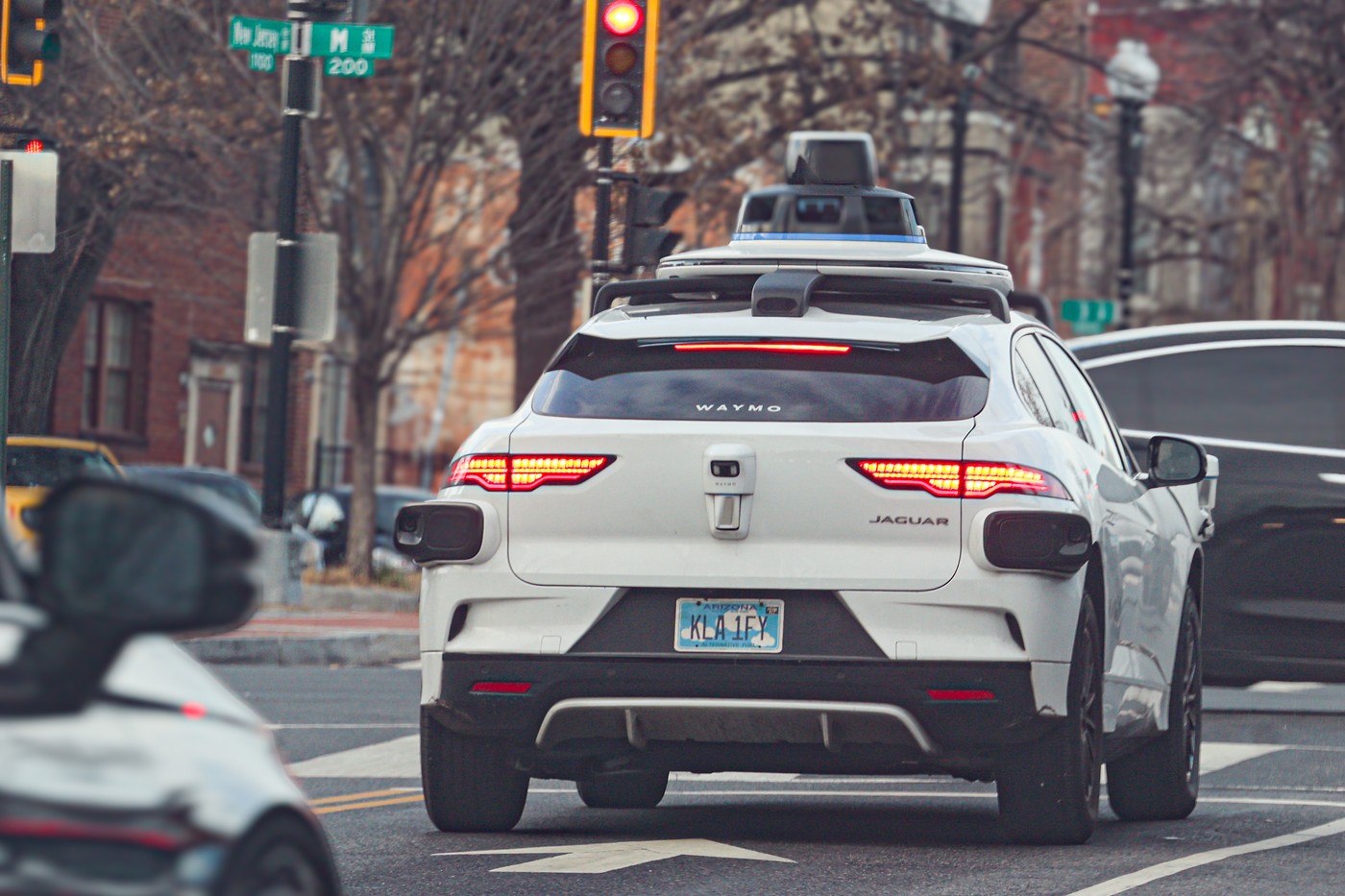
A driverless Waymo vehicle moves through traffic on a street in Washington, DC, January 2026. Credit line: Robyn Stevens Brody / ddp USA / Profimedia
A Waymo robotaxi hit a child near a school in Santa Monica, California, triggering strict scrutiny of how artificial intelligence handles safety in critical areas, according to Reuters.
The National Highway Traffic Safety Administration (NHTSA) announced on Thursday the opening of an official investigation following an incident on January 23. During rush hour at an elementary school, a child running across the street from behind an illegally parked SUV was hit by a Waymo autonomous vehicle.
At the time of the impact, the area was extremely busy, with numerous other children, a traffic officer and several parked cars present. The child suffered minor injuries from the impact.
Waymo, the autonomous vehicle division of the Alphabet (Google) group, also reacted on Thursday, stating in a blog post that it will cooperate fully with the authorities. The company claims that the minor “suddenly entered the roadway” from behind a large SUV, ending up directly in the path of the car.
According to technical data provided by Waymo, the autonomous system detected the pedestrian as soon as it became visible, activating emergency braking that reduced the speed from 27 km/h to below 10 km/h before the moment of impact.
In that context, NHTSA launched a preliminary evaluation to determine whether Waymo's system showed the necessary caution given its proximity to an elementary school during rush hour.
The agency said it plans to examine the “intended behavior of the vehicle in school zones and surrounding areas, particularly during normal student pick-up/drop-off times, including but not limited to compliance with posted speed limits” and that it “will also investigate Waymo's post-impact response.”
According to Waymo's simulations, a “fully attentive” human driver in the same situation would have hit the pedestrian at a much higher speed, about 22 km/h. The company emphasized the prompt reaction of the system: immediately after the impact, the robotaxi called the emergency services, remained on the spot, and later retreated safely to the side of the road under the supervision of law enforcement.
A series of serious violations reported in Austin, Texas
On the very day of the incident, the US National Transportation Safety Board launched a second major investigation into the Alphabet division. The investigation centers on a series of serious violations in Austin, Texas, where self-driving vehicles have been caught illegally overtaking stopped school buses at least 19 times since the start of the school year, endangering the safety of students.
Waymo recalled more than 3,000 vehicles in December to update software that caused the vehicles to overtake stopped school buses loading or unloading students, increasing the risk of a crash. NHTSA opened an investigation in October into Waymo vehicles near school buses.
Although Waymo claims the Austin incidents did not result in collisions, the School District reported five more violations in November, even after the software update. Despite a formal request from schools to suspend rides in student drop-off areas until the problems are fixed, Waymo has refused to halt operations, a fact confirmed to Reuters.