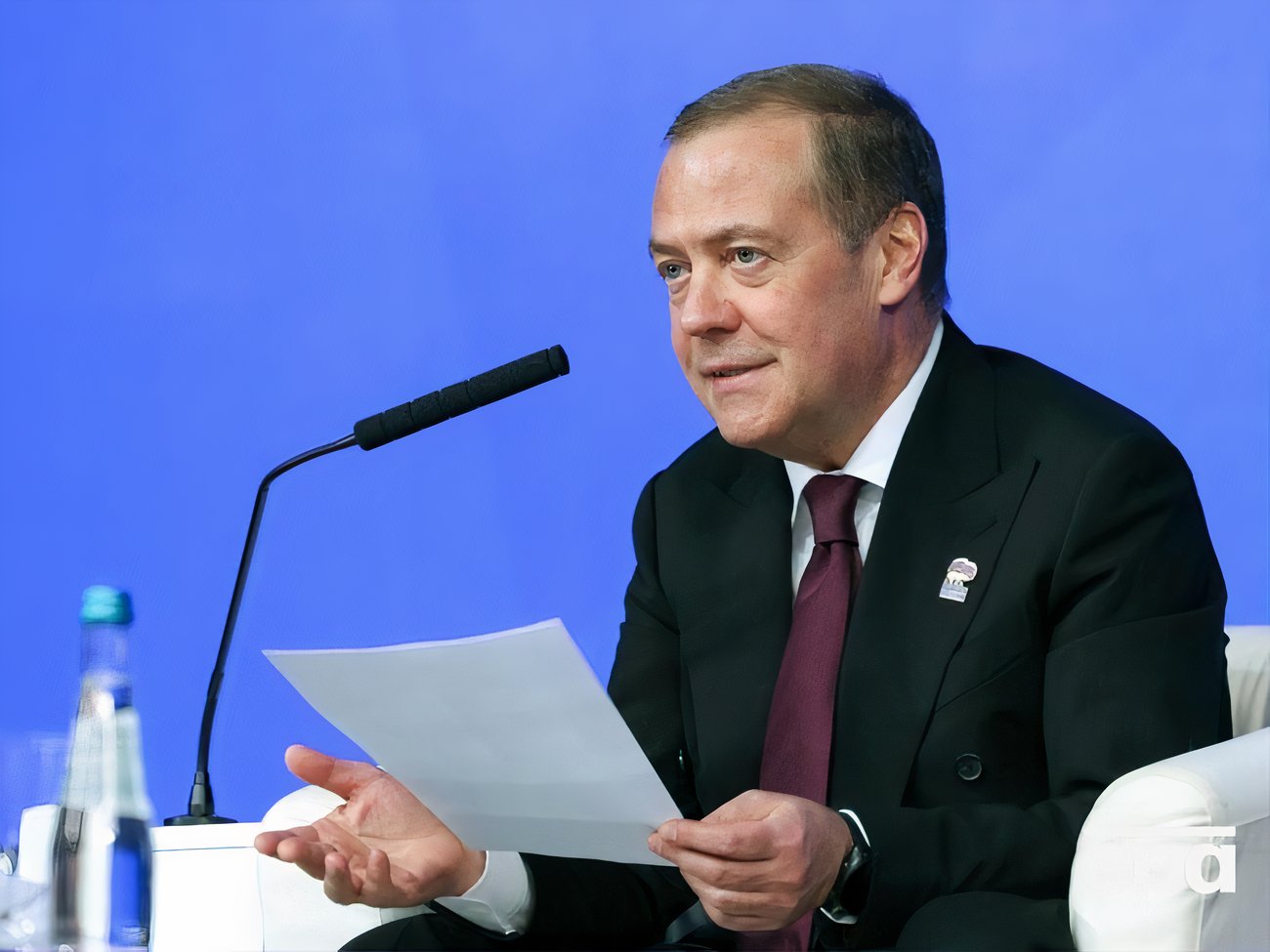
“If the distraught European Union nevertheless tries to steal Russian assets blocked in Belgium by issuing a so-called reparation loan, such actions within the framework of international law can be qualified as a special kind of casus belli with all the ensuing consequences for Brussels and individual EU countries,” he wrote.
According to the propagandist, the return of these funds can no longer take place through the courts, but through “real reparations paid in kind by the defeated enemies” of the Russian Federation.
Context
On September 10, European Commission President Ursula von der Leyen announced new strategy to support Ukraine at the expense of frozen Russian assets. The media explained that the proposal of the so-called “reparation loan” suggests that the country could be provided with financing from frozen Russian assets without their outright confiscation.
In October, Belgian Prime Minister Bart de Wever immediately called three conditions under which he will agree to support the idea of a “reparation loan”.
On November 7, the European Commission warned EU countries about the risk of annual costs of up to €5.6 billion if they do not agree on the creation of a reparation loan for Ukraine worth €140 billion at the expense of frozen Russian assets.
On November 15, Valerie Urbain, director of the Belgian depository Euroclear, which manages frozen Russian assets, said she “does not rule out” lawsuits against the European Union in case of a decision on their confiscation.
On December 3 in Brussels, the European Commission again discussed the proposed a “reparation loan” for Ukraine worth €165 billion, formed using funds from frozen Russian state assets. This initiative has already provoked resistance from Belgium, which believes that its position has again been ignored.