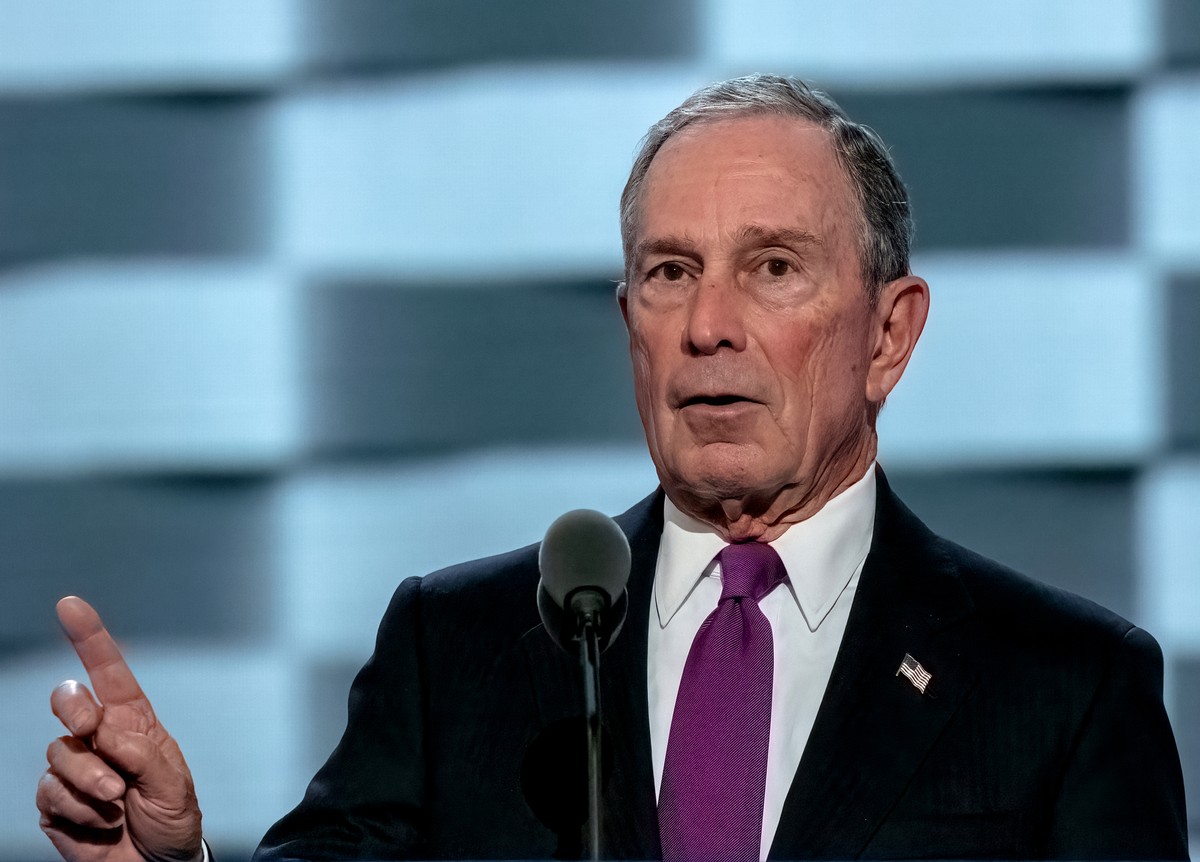
In an article published on Wednesday, Bloomberg indicates that the “peace plan” for Ukraine pushed by the United States may have the opposite effect. In his opinion, such a solution could strengthen Russia's position militarily, which would pose a threat to Europe and increase the burden on the US. Bloomberg notes that in such a situation, the Pentagon would have to direct more support to NATO allies, which would limit the United States' ability to counter China's activities in the Indo-Pacific region.
The rest of the article below the video:
According to Bloomberg, the history of Vladimir Putin's actions indicates that Russia could violate a possible agreement. In such a case, the US would face a dilemma: either risk involvement in a larger conflict or lose credibility as a global leader. Bloomberg points out that abandoning Ukraine would be a signal of America's weakness, which could prompt other countries to develop their own nuclear programs for fear of lack of support from Washington.
“The liberal order that the United States supports and benefits from would be undermined,” Bloomberg warns. He adds that in such a situation, countries such as China could feel more confident in realizing their territorial ambitions.
Bloomberg emphasizes that US interests are best protected by a strong Ukraine, which will be able to defend itself in the long term thanks to the support of Western weapons and intelligence technologies.
“Regardless of what agreement the White House ultimately supports, it should in no way weaken this possibility,” notes the former mayor of New York, who managed one of the world's largest cities from 2002 to 2013.
Read also: Media: Ukraine agrees to the controversial point of the peace plan
Michael Bloomberg, currently one of the richest people in the world (according to Forbes, he ranks 17th with a fortune of $109.4 billion), once again expressed his strong position on supporting Ukraine. His voice in this discussion fits into the broader context of international debates on the future of the conflict in Eastern Europe and the role of the US in the global order.