Ukrainians cross the border illegally. They want to avoid service


Alex Trykhanov had not seen any human being for many days. However, he saw moose, deer and lizards. And tracks in the snow, probably from a bear. Aleks has been on the road for six days, carrying 40 kg of luggage. He trained a lot to prepare his body for illegal escape from Ukraine. Aleks is 26 years old and completely healthy. No border guard would allow him to legally leave the country.
Less than four years after Vladimir Putin ordered an attack on his neighbor, More than 5 million citizens left Ukraine. In September 2025, approximately 1.3 million of them lived in Germany. A significant proportion are single mothers and their children. A quarter of refugees are men — even though Ukraine has introduced a travel ban for men of military age between 23 and 60.
Recently, the number of newly registered refugees increased significantly again as President Volodymyr Zelensky allowed the departure of young men aged 18 to 22, who are still too young to serve in the army.
Some men are in Germany because they lived abroad before the war and simply never returned. Other Ukrainians were allowed to leave: people with three or more children, single parents, people with disabilities or caring for a close family member could cross the border. The rest left illegally, some thanks bribes or forged certificates. Others illegally they crossed the green border.
“I didn't want to serve in the army”
Trykhanow is one of tens of thousands of “mushroom pickers”. This is the name given mainly to young Ukrainian men who sneak through swamps and fields at night to Belarus and Moldova or cross the Carpathians towards Romania.
— I've waited a long time. I thought maybe something would change, says Trykhanov, who escaped in May. “I didn't want to serve in the army,” he adds. Also because he heard bad news from the front. About corrupt officers who stole money intended to equip their subordinates. About sold humanitarian aid or senseless orders. “I didn't want to sacrifice myself for this corrupt system,” he says.
So he behaved discreetly, lived unobtrusively, did his job. However, it was becoming more and more difficult. Because officials from TCK, the dreaded Ukrainian recruitment office, over time even started hunt young men. — As a Ukrainian, at some point you develop a seventh sense towards these people. When you go shopping or to work, you look out for TCK minibuses, says Aleks.
Some of his friends hardly left the house. He himself was almost caught twice. Suddenly, buses stopped nearby and men jumped out and tried to pull Alex into the vehicle to send him to the front. — Both times I managed to escape and hide. But then I realized: maybe you won't succeed the third time, Trykhanov says.
Poland, Moldova, Romania and Belarus
Leaving the country using bribes has become more and more expensive over the years. Anyone who accepts bribes faces severe penalties. Self-help groups have been created on the Internet, where young Ukrainians give each other advice on how to escape. Group members discuss, among others: about which of the neighboring countries are best for escaping.
The border region of the Republic of Moldova is sparsely populated, but flat and full of clearly visible fields, which increases risk of detection. Belarus is difficult to access, the border areas are swampy and vast, and the other side is threatening interrogation and arrest.
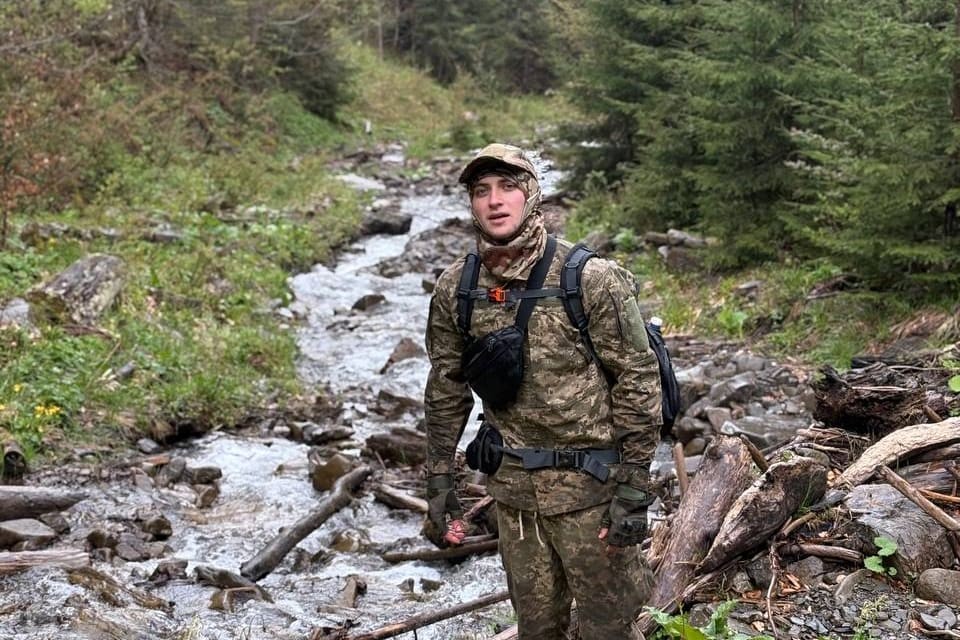
Alex Trykhanov in the Carpathians (private archive of the hero)Die Welt
Poland is risky: it is the only neighboring country with border guards deports captured refugees. This is both a curse and a blessing, because Ukrainian border guards are apparently lazier here and rely on their Polish colleagues to catch the escapees and bring them back.
However, Romania seems to be the most popular. Crossing the Carpathians is very physically demanding, dangerous and usually takes several days. However, the area is so remote that it is difficult to monitor.
Preparing to escape
It is equally important equipmentas forum members point out. It is recommended to wear an anti-drone poncho, which prevents drones equipped with thermal cameras from detecting fugitives, and to wear sturdy footwear. Thanks to this, you can get through dense bushes and avoid paths where camera traps are often hung in trees.
GPS watches for navigation are better than cell phones because cells – even without SIM cards – can send signals that can be located by border guards. Ground pepper or tobacco is intended to irritate sniffer dogs.
Trekking poles help in the mountains, and ski goggles protect your face from the brush. Headlamps should be covered with red parchment because only red light allows human eyes to adjust to the dark. Signal races are useful for scaring away bears.
Please bring a change of warm, dry clothes, preferably waterproof. People crossing the border in wet weather have a greater chance of success: border guards then become more lethargic, and the quality of images from surveillance drones deteriorates. If there is also a strong wind, the drones may not be able to take off at all.
War fatigue
Alexei (name changed) also escaped a few months ago through the Carpathians and now lives in Switzerland. He comes from Avdiivka in Donetsk. He has been experiencing war for 11 years and is fed up with it. He hates Russia and accuses Ukraine of ignoring the war in the eastern part of the country for too long. — Most of Ukraine woke up only in 2022, he complains. — We should have acted much earlier.
He never experienced discrimination from his compatriots because he fled. Trykhanov, too, can count such cases on the fingers of one hand. — In Germany, Ukrainians never reproached me for running away, he laughs. -Why would they do that? After all, they are here themselves.
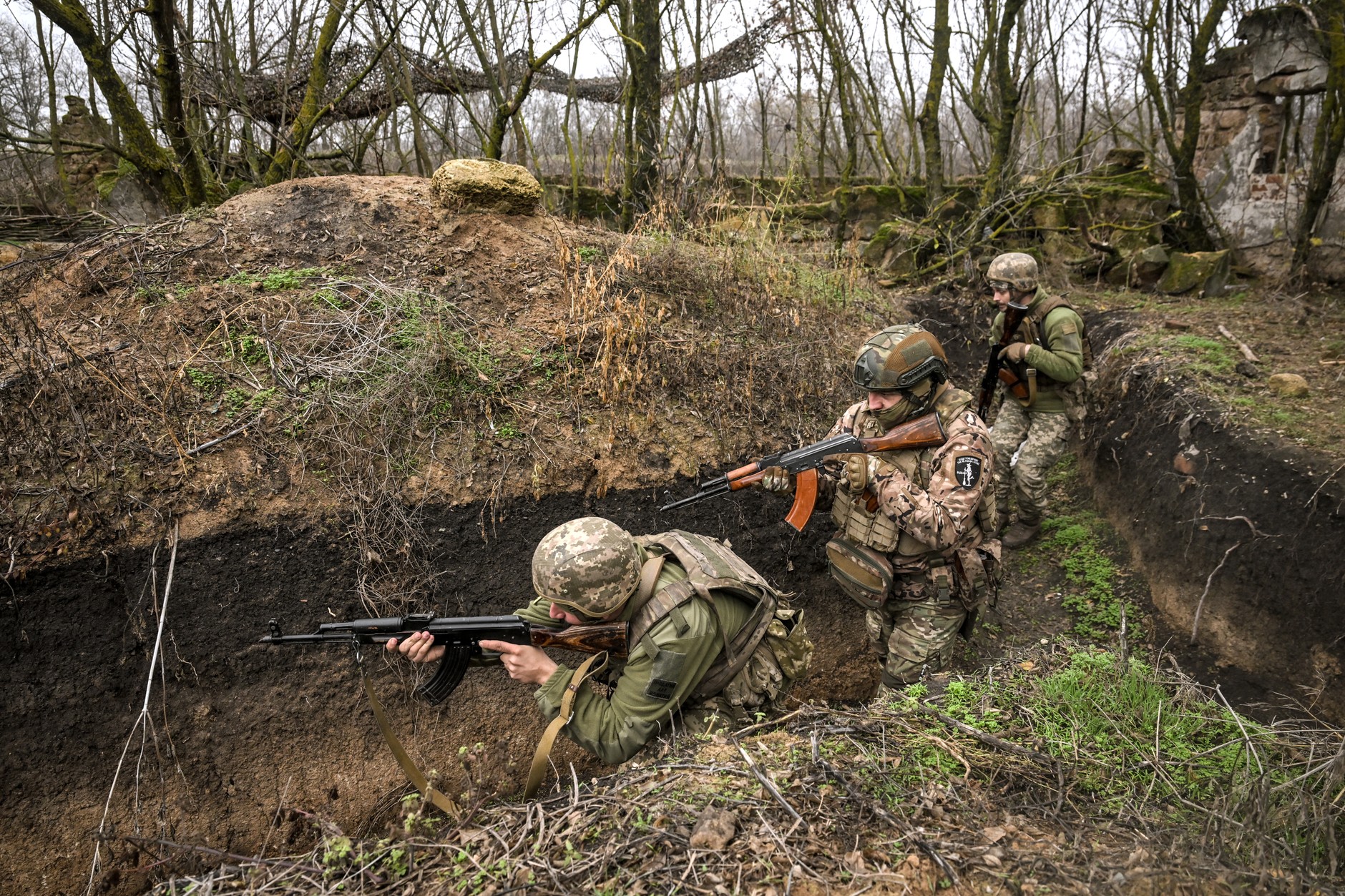
Ukrainian soldiers (stock photo)Dmytro Smolenko / AFP
Only in Ukraine did he have someone talk to him on the street. He asked why he was running around Kiev and not at the front. — Most of them, however, are war invalids who suffered greatly. Or widows of soldiers, says Aleks. He estimates that most Ukrainians are tired of the war. Citizens can understand young men who are looking for safety.
A survey conducted in Ukraine shows a similar picture. The number of people who strongly oppose giving up the territories has dropped to 54%. At the beginning of the war it was still 82 percent. 69 percent Ukrainians support ending the war through peace negotiations. The number of people supporting uncompromising continuation of hostilities until victory dropped from 73 percent. at the beginning of the war to 24 percent
The promised land
— The most difficult thing about escaping is getting there, says Trykhanov. The closer you get to the border, the more often you encounter military checkpoints. Special services control railway stations near the border. They are looking for young men with large backpacks who allegedly “want to pick mushrooms”. So Trykhanov asked his Azerbaijani friend who lives in Kiev to go ahead of him and explore the destination railway station. Due to the fact that the friend is not a citizen of Ukraine, he could move freely in the border area.
When Trykhanov's train approached the station, the Ukrainian remained in telephone contact with his friend. If he noticed suspicious people on the platform, for example TCK, Aleks would jump out of the moving train. The friend also went to the local post office and collected Trykhanov's luggage, which had been sent earlier so as not to arouse unnecessary attention on the train.
Stories on forums testify to inhuman hardships. Some people tell how they struggled through the mountains with fever and diarrhea because they drank contaminated water. Others filtered salty river water using their T-shirts. One of the Ukrainians told about shots fired by border guards. Indeed, several Ukrainians were shot while trying to cross the border. One of the escapees says that the TCK caught him at the railway station. The Ukrainian was already sitting in the car going to the police station, but he jumped out of it at the traffic lights.
Others say that Romanian loggers treated them to sausages and tea abroad. Romanians claim that almost every day they see completely exhausted Ukrainians in the forest. Others post photos with a thumbs-up in front of schnapps and caviar – many celebrating a successful escape beyond the border fence.
Trykhanow currently lives in Tempelhof. He found a job as a warehouseman because he wants to be free and does not want to be dependent on the employment office. He likes Germany, the salaries are good, although he complains about the bureaucracy. – I sent the first letter in my life in Germany, to an office – he says. No one accuses him of running away. “I'm safe now,” he told his mother on the phone as he crossed the border. She cried with relief.