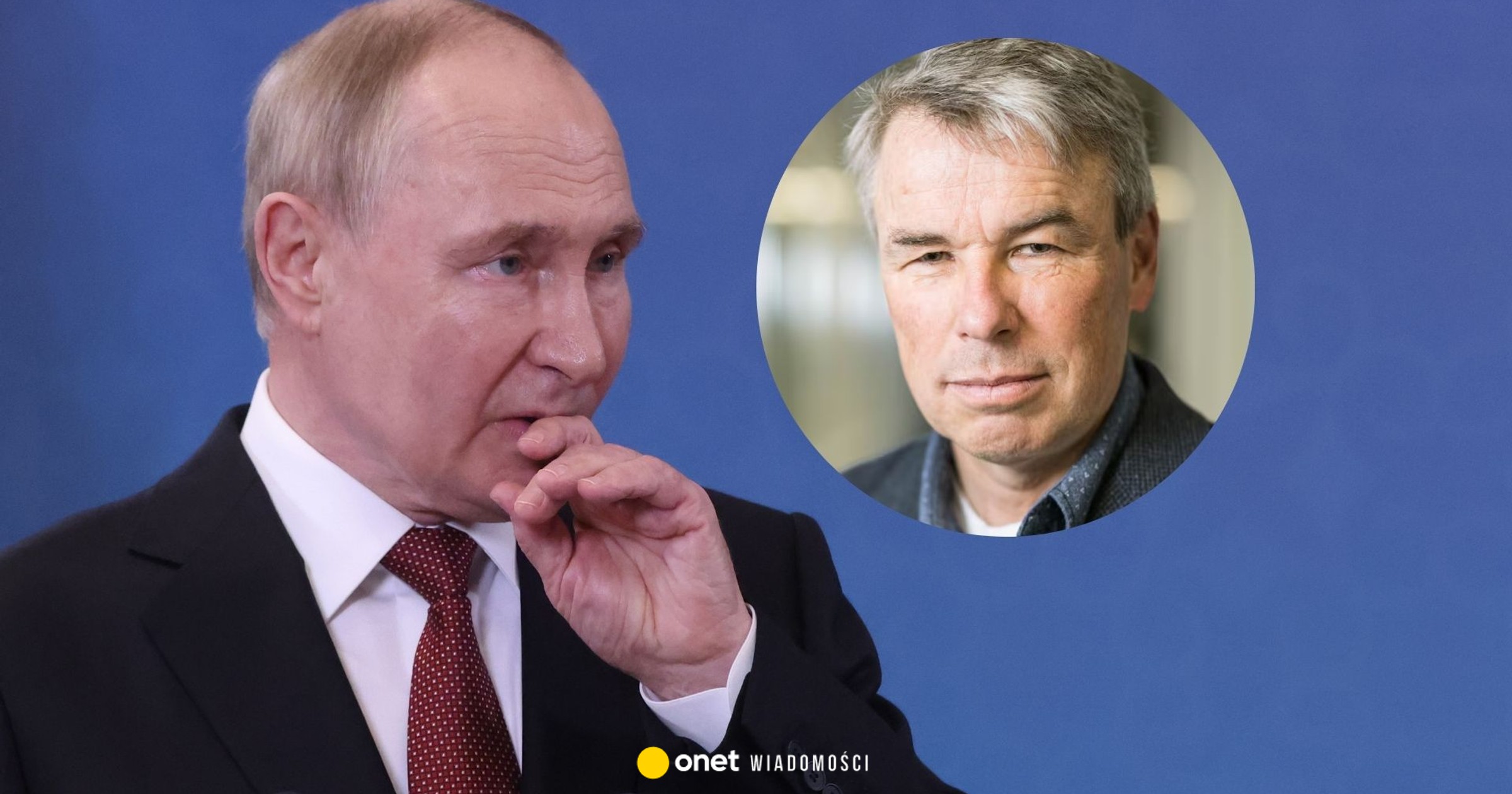
For 25 years, Putin has consistently sought to turn society into an involuntary mass without any political views. However, according to the expert, the war in Ukraine that causes a hole in the state budgetcan change social mood. Russians no longer trust the Kremlin. According to the independent Russian public opinion research institute Levada Center, 58 percent the country's inhabitants are concerned about rising prices.
— Putin also seems to realize that the window of opportunity for waging war in Ukraine is closing, says Schmid. In short: Putin must make the most difficult decision since the beginning of the war: whether he wants to continue it at all costs, or finally address the real problems of his country – before it is too late.
Vladimir Putin is under real pressure for the first time since the beginning of his war against Ukraine. Not from Donald Trump. It's the economy that's stagnating. The situation in Russia is the most dramatic in years.
The article continues below the video
In 2026, Russia faces a budget deficit of $100 billion. (approx. PLN 365 140 million, calculated at the current exchange rate). Ordinary people in this huge “empire” are feeling the full force of the crisis for the first time.
Several Russian regions are literally running out of money. According to the Russian rating agency Expert RA, on September 1, the Kalmykia region in southern Russia had only 496,000 in its account. hole. (PLN 1,814,000), i.e. 0.1%. of its annual budget, the city of Arkhangelsk only 0.03 percent. — even Belgorod, until recently an important economic center, was penniless at the beginning of September.
Last year, incomes fell in 53 of 89 Russian or Russian-controlled regions. Teachers' salaries were reduced in twelve regions. More than three-quarters of the country is struggling with gasoline supplies. And this is only the beginning of the crisis.
The Kremlin increases taxes
The situation in Russia is partly a consequence of Ukraine's targeted attacks on the Russian oil industry. In the regions, cars are stuck in traffic jams, sometimes for hours, in front of the few gas stations that are still open.
Ulrich Schmid, Russia expert and professor of Eastern European studies at the University of St. Gallen, comments on the escalating situation. — Putin is still trying to keep his “promise of normality.” He allegedly did not declare war on Ukraine at all – he convinces the public that he is conducting a “special operation” in Ukraine that has no impact on the everyday lives of Russians, says the expert.
However, Russians see with their own eyes how taxes are constantly raised.
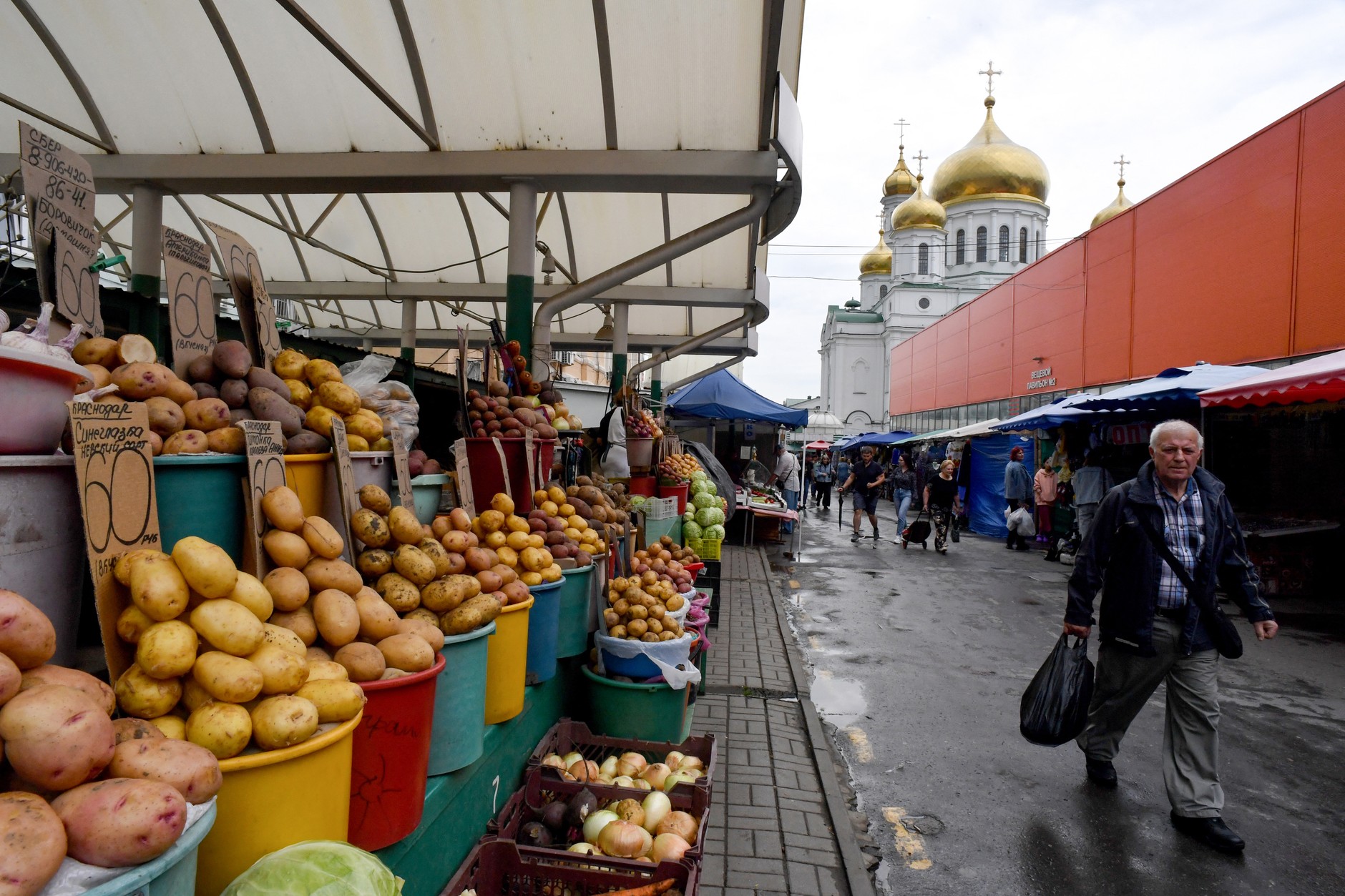
Market in Rostov-on-Don (illustrative photo)Olga Maltseva AFP / AFP
— At the moment, the Kremlin seems to focus not on savings, but on increasing state revenues, primarily through tax increases, explains Schmid. While cuts are being made to the education system, for example, citizens are being asked to bear the costs of the war, which already consumes about a third of the state budget.
On January 1, Moscow wants to increase VAT from 20 to 22 percent. In addition, taxes on income and on small and medium-sized enterprises will increase. From next year, these funds will be allocated to a greater extent for the police and internal security. Putin wants to spend $47 billion on this. (PLN 171,660 million) – the same amount as for education and health combined.
Is this a sign that he fears growing public anger? International sanctions (e.g. exclusion of Russian banks from global payment systems) and Ukrainian attacks on the oil industry are slowly starting to bear fruit.
From the point of view of Russian war planners, what is particularly disturbing is the reduction in the lucrative financial allowances that soldiers receive after signing military contracts. In at least three regions (Belgorod, Chuvashia and Tatarstan), bonuses for participation in the war were reduced by 75%. It will therefore be increasingly difficult for Putin to find motivated soldiers to participate in his extremely expensive madness.
I’m Ashley Davis as an editor, I’m committed to upholding the highest standards of integrity and accuracy in every piece we publish. My work is driven by curiosity, a passion for truth, and a belief that journalism plays a crucial role in shaping public discourse. I strive to tell stories that not only inform but also inspire action and conversation.