The total debt of the world has reached a huge record level, over three times higher than the global GDP


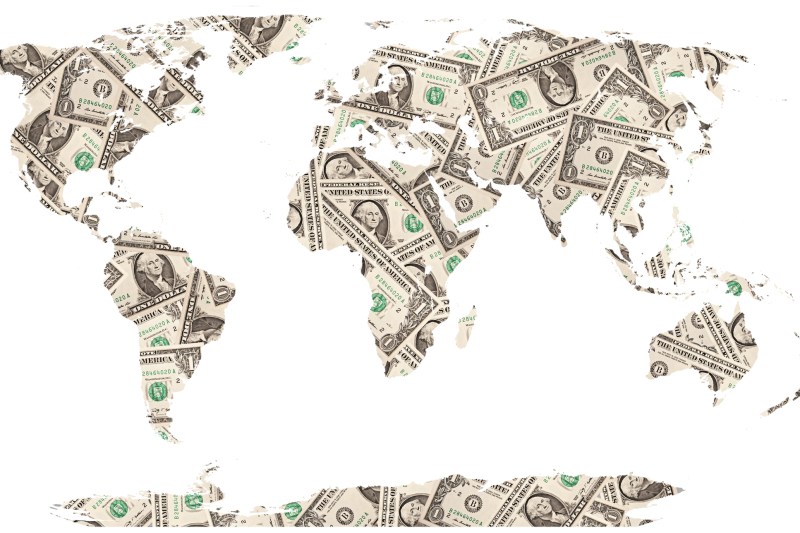
The total debt of the world is still growing. Photo: © Iatlo | Dreamstime.com
The global debt reached a record level of $ 337,700 billion at the end of the second quarter, driven by the improvement of global financial conditions, by the depreciation of the US dollar and a more relaxed monetary policy of the main central banks, according to a quarterly report quoted by Reuters.
The Institute of International Finance (IIF), a commercial group in the field of financial services, has announced that the global debt has increased by over $ 21,000 billion in the first half of the year, reaching $ 337 billion.
China, France, the United States, Germany, the United Kingdom and Japan have registered the highest increases in the level of dollars, although part of it was due to the dollar depreciation, he found IIF.
The US currency depreciated by 9.75% from the beginning of the year to a currency basket of the main trading partners.
The total debt of the world, more than three times higher than the global GDP
“The extent of this advance was comparable to the increase registered in the second half of 2020, when the political measures related to pandemic led to an unprecedented accumulation of global debt,” said IIF in his global debt monitor report.
Analyzing the ratio between debt and GDP – an indicator of debt repayment capacity by comparing what is produced – Canada, China, Saudi Arabia and Poland have registered the highest increases. The report found that this report decreased in Ireland, Japan and Norway.
Overall, the global ratio between debt and production continued to decrease slowly, being just over 324%. However, in emerging markets, the report reached 242.4% – a new record.
The total debt on emerging markets increased by $ 3.400 billion in the second quarter, reaching a record level of over $ 109,000 billion.
Public debt has grown suddenly in G7 and China countries
Emre Tiftik, the Director of Sustainable IIF research, said in a webinar that the increase of military expenses will put pressure on government balance sheets due to the intensification of geopolitical stresses.
Tiftik mentioned that the van of the debt is mainly recorded in the public debt, which has grown suddenly in G7 countries and in China.
He added that the reactions of the bond market are tougher in advanced economies, the 10 years yields of G7 being close to the highest level in 2011.
He warned that tax tensions could intensify in countries such as Japan, Germany and France, urging caution in the so-called “Bond Vigilates”-referring to investors who sell bonds of countries whose finances consider them unsustainable.
“While the rates of public debt increased suddenly on emerging markets in the first half of the year – especially in Chile and China – the market reaction was stronger on mature markets this year,” said IIF.
The report reported concerns about US debt, mentioning that short -term loans represent about 20% of total debt and 80% of treasury shows.
He warned that this addiction could increase the political pressure on central banks to maintain interest rates at a low level, endangering the independence of monetary policy.
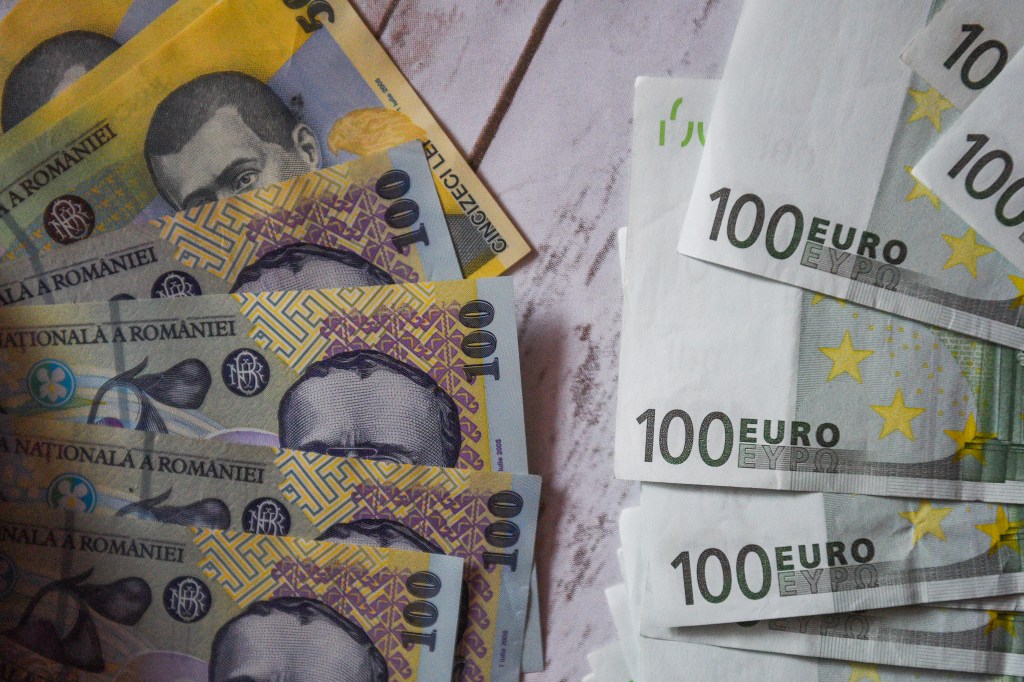 Romania's public debt increased to 55.8% of GDP in the first quarter of 2025. We are in the top 4 countries with the most accentuated – Eurostat
 Ilie Bolojan announces how much Romania pays for the borrowed money: “This costs the Moldovan Highway”
Photo: © Iatlo | Dreamstime.com