“Damaged phone effect”. Expert: Trump interprets Putin's words badly

Mariia Tsiptsura, Onet: Are the statements that appear after Trump's conversations with Zelnski and European leaders are a real step towards negotiations, or not yet?
Volodymyr Fesenko, political scientist: For now, I would only call it a revival of the negotiating process. Both Alaska and Washington are rather a pre -election Trump fever. He wants to show a quick result. However, I don't see real steps towards the room yet.
Although the subject of the Zelanski and Putin meeting, as well as the three -sided peak with Trump's participation, is actively discussed. But here we see a very restrained and cool reaction of Russia. Apparently they are not in a hurry and do not intend to agree on the meeting in the near future. And what is surprising to me – even Americans do not show much activation yet. And without their mediation, such a meeting will not happen.
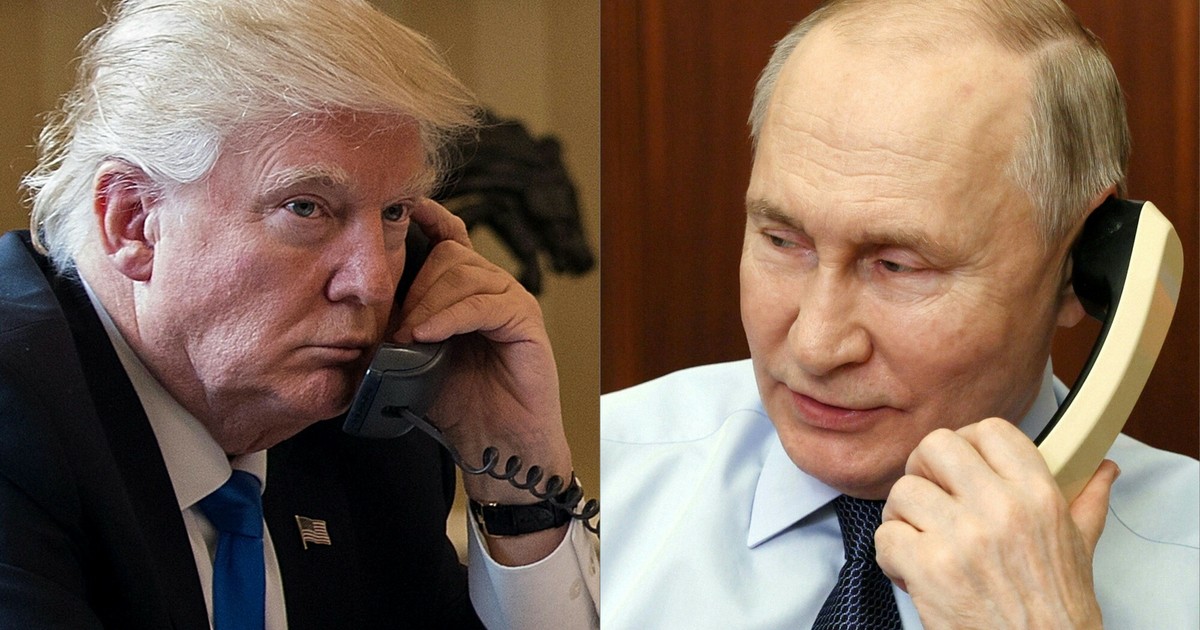
Because Putin doesn't want it. In his style, he suggested that “it is possible”, but he did not present any specific proposal. Trump received it as consent. So we are again dealing with the effect of a damaged phone. Trump interprets Putin's words differently than they were spoken. As a result, we are dealing with a paradox: Trump is a negotiations catalyst, accelerates the process, but at the same time there is confusion and initiatives that are unlikely to bring us closer to the room.
Even if Putin and Zełent were meeting, it is difficult for me to imagine how they would talk, and even more so reach an agreement. There is mutual hatred and absolute contradiction between them. If there is no real broker, the meeting can turn into a farce. There are currently suggestions that Americans can offer a compromise variant, but there are no confirmations. Without a compromise solution that could be the subject of discussion, as well as without the help of Americans and without their emphasis on Putin, there will be no quick changes.
So you are skeptical?
Yes. I see a lot of activity, but there are no specific premises that would allow progress. The only positive is that Zelanski's visit to Washington's European leaders went without negative emotions. Safety guarantees have begun. But you have to be a realist and not expect a revolution. They will not provide us with collective defense, especially outside NATO.
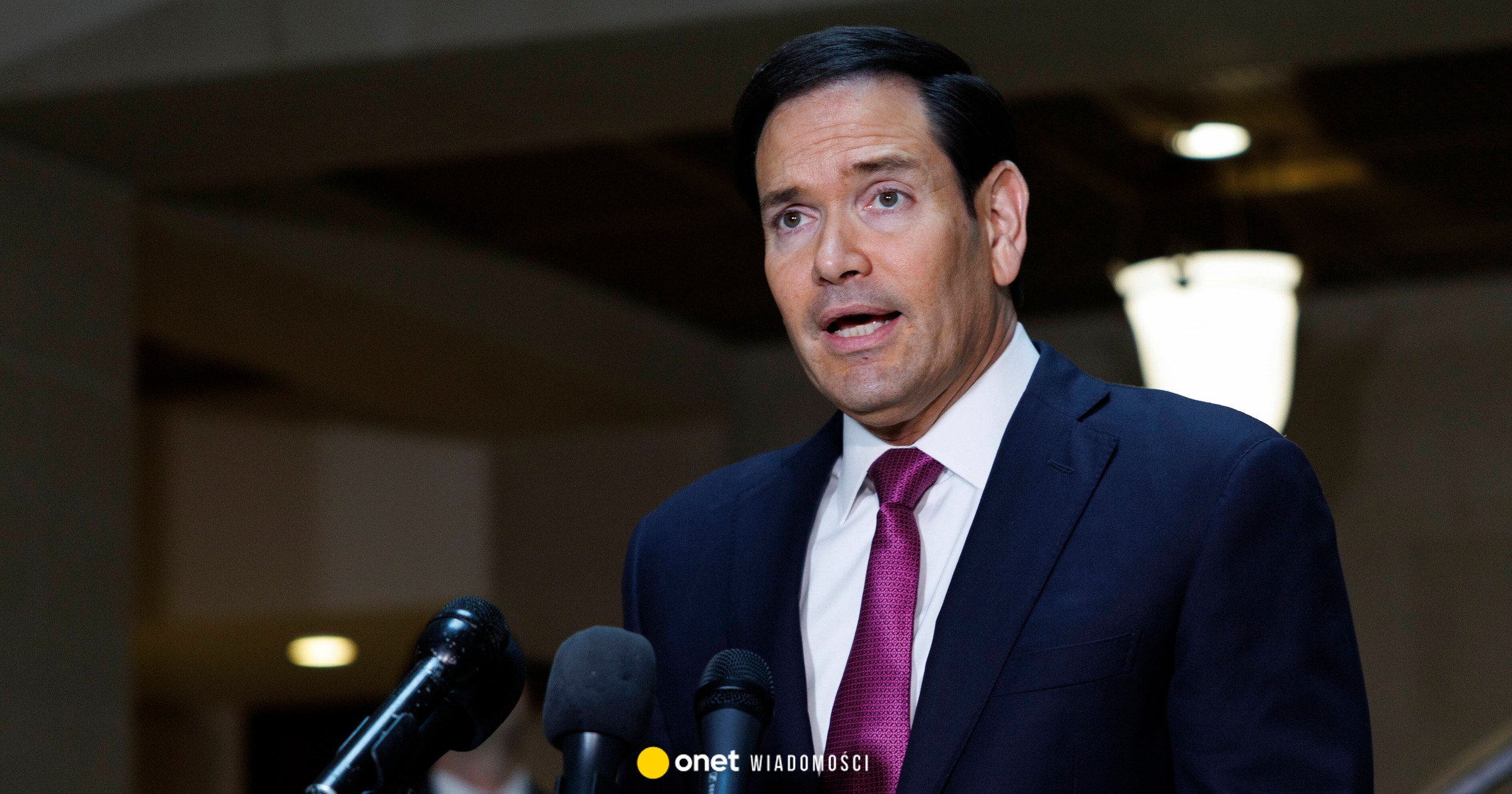
Nobody will fight for us. And if these are consultations, it's not enough for us. Another issue is to discuss the presence of the military of European contingents after the war, American logistics support and weapon packages. You can also consider a treaty similar to that it was concluded with South Korea or Japan. This idea is right. Marco Rubio claims that in a week they will be able to propose something specific. That is why I think that the end of August will be very intense and controversial as part of these negotiations. And then you will be able to draw conclusions whether progress will take place or whether there will be a break in the negotiating process.
The fight for Donald Trump is underway
Isn't it too early to talk about security guarantees? After all, all security guarantees require Russia's consent. And this consent apparently will not be.
It is also a subject of dispute. Russia's consent will not be obvious. However, the demand for a warranty for Ukraine should sound now. The more so because from what is happening now, two processes are important. First of all, there is a fight for Trump. Putin won the first round in Alaska. He convinced Trump to his position, primarily regarding the end of the war. Putin proposed a peace treaty and Trump supported him. In fact, however, it is a blind street, which will not lead to a fast room, on the contrary, it will drag the time maximally or quickly lead all negotiations to the impasse, because in key issues the parties have diametrically different positions. This applies to both the status of occupied territories and the issues of security guarantee.
In Washington, we were able to drag Trump a bit on our side, but not completely. And then the second question arises, the main problem, which will still be the subject of disputes – what will be the form of the end of the war: a peace treaty or arms suspension. The compromise will most likely consist in the fact that they will also talk about both the first and the second. But if Russia does not agree to talk about the suspension of weapons, there will be no progress, even if Zelanski and Putin meet. There will be no answer to the basic question: what to talk about? And is Putin ready to talk about the end of the war?
There are no such signs yet.
Yes. Europeans understand this. They perfectly see that Putin does not want to end the war. Trump doesn't understand it. Again, he has illusions about Putin. Europeans do not oppose his initiatives – let him try. But they wait for Trump to understand that everything is heading to a blind street, and starts putting pressure on Putin, forcing him to hang a weapon. Therefore, for now everything that is happening is an active, sharp tactical fight around the process, not a peaceful process itself.
After all, how real is Zelanski and Putin's meeting, even with Trump's participation?
Very doubtful. For example, a meeting for two. There is a lot of strange information around this concept. Initially, this idea was reported by the Russians, but they have been withdrawing from it lately. If such a meeting takes place, it is only thanks to the Americans and their efforts.
As for the three -way meeting: here the problem arises. It's a matter of tactics. Trump may think that he will be able to agree on this meeting. But the question is what? To agree something, it must be approved in advance. There must be a compromise. For example, a weapon suspension. You can get along even during one meeting: suspension of weapons in the air and at sea and start negotiations on the procedures for agreeing and ensuring the suspension of weapons on land. Everything is clear here. But it is much harder with a peaceful agreement. You need to understand what to do with topics in which there is an insurmountable contradictions.
The only possible variant is the return of the Americans to the proposed peace agreement of April or to its new version. Then this may be the subject of discussion. However, if they talk about a peace agreement, it is possible to maximize the start of work of some working groups on this agreement. And this can take a long time. And here there can be no quick solution. That's why I don't expect a miracle. However, a tripartite meeting can take place if Trump insists, and then Putin may agree.
Earlier you said that Putin did not want it.
Yes. Putin does not want to meet with Zelanski. It is emotionally and psychologically very unpleasant for him. And this is not about their theses of legitimacy. Propaganda can say what he wants. But psychologically Putin does not want to communicate with Zelanski. However, Trump insists. And this is a problem for Putin. He will have to react somehow. That's why I will say this: the meeting can take place. But there will be no breakthrough. There are two options. Either it can introduce negotiations to a new stage, or he can show that Putin does not want to get along. And here the question arises, how Trump will react: whether he will put pressure on Putin again, or will he wait for something again. But there is also an important issue.
What?
Trump will be in a hurry. For him, it is important to show progress within a month, one and a half because he dreams of a peaceful Nobel Prize. Therefore, I will try to achieve at least an indirect result. Therefore, negotiations will last, but for now there will be no serious results.