Just a few hours before the armistice in the commercial war with China expires, Trump keeps the mystery about the future move: “We will see”

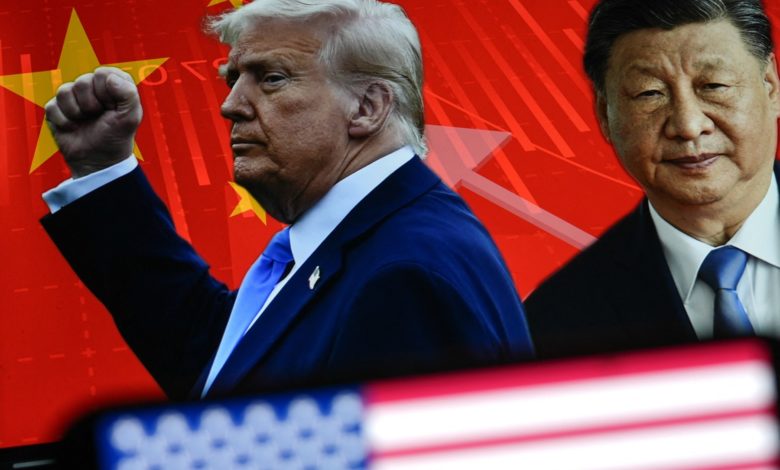
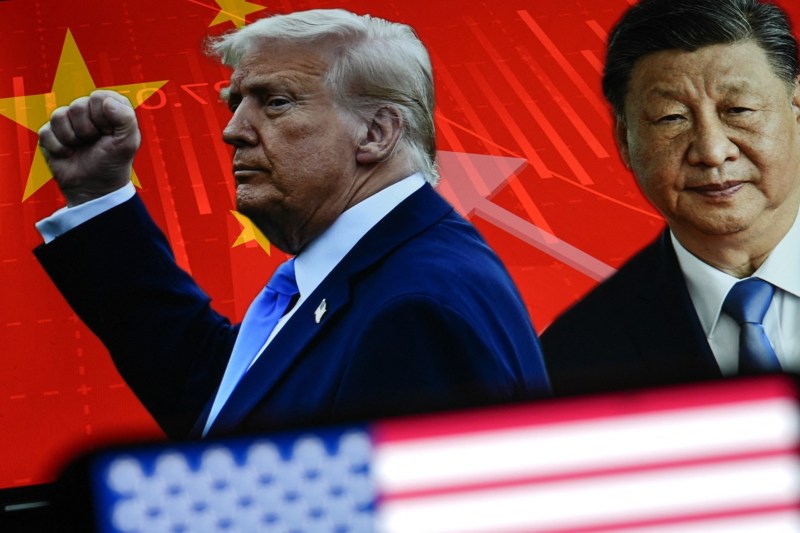
Photo illustration depicting US President Donald Trump and Chinese leader Xi Jinping. Photo: Dilara Irem Sancar / AFP / Profimedia
President Donald Trump said on Monday that the United States “treats China very beautifully”, in the context in which Beijing said it was following positive results, a few hours before the commercial armistice expires between the two countries, writes AFP.
While the United States and China have imposed increasing tariffs on the other party's products, reaching three -digit prohibitive levels and disrupting trade, both countries have agreed to reduce them temporarily.
But the 90 -day suspension of the entry into force of more severe taxes expires on Tuesday, and all eyes are now directed to the future.
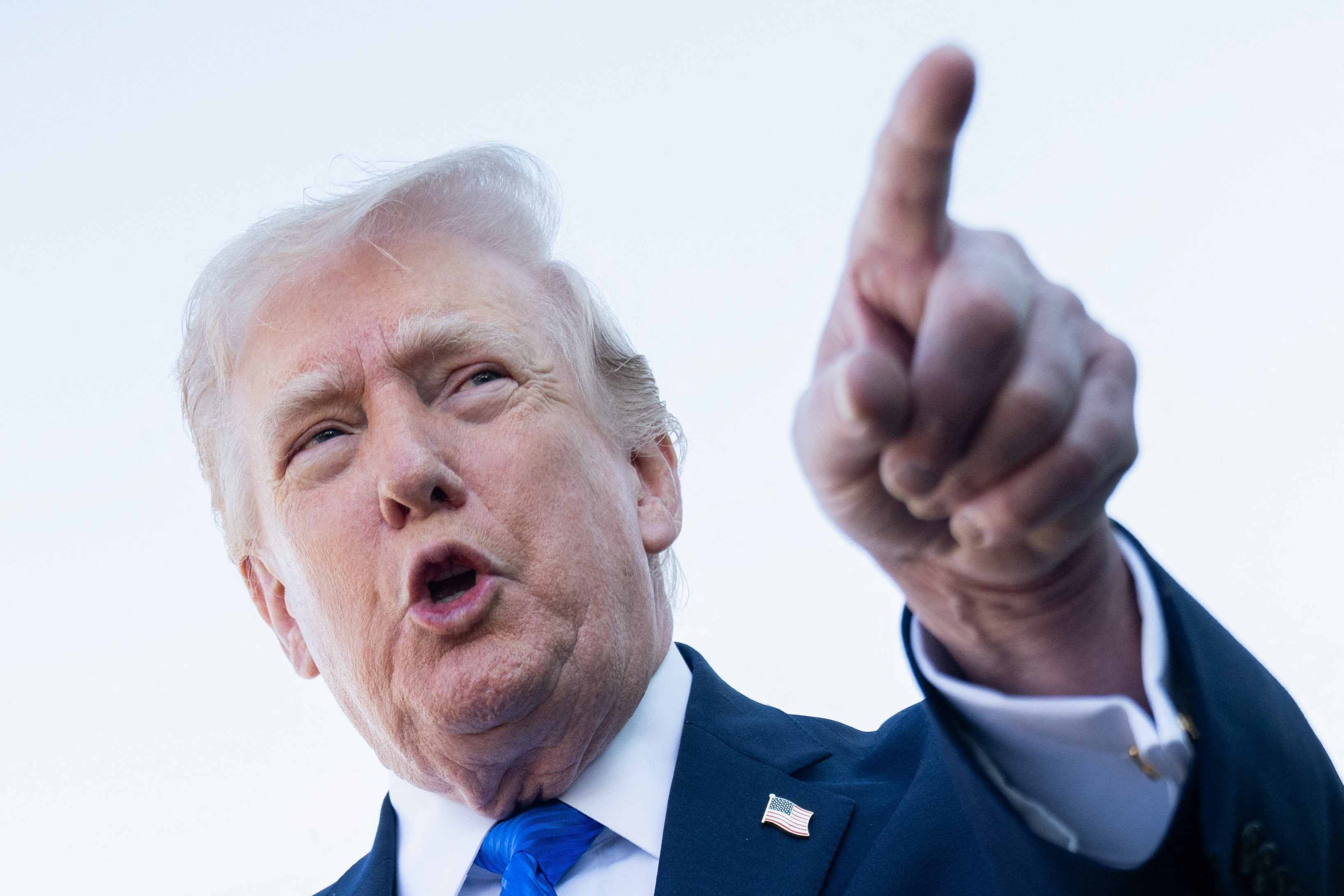
Asked Monday, at a press conference at the White House about the deadline, Trump said: “We will see what will happen. They collaborated quite well. The relationship between me and President XI (Jinping) is very good.”
Trump also praised the income from customs duties collected by his country this year, stating that “I collaborated very well with China.”
“We hope that the US will collaborate with China to respect the important consensus that has reached during the telephone call between the two heads of state,” said the spokesman of the Chinese Foreign Affairs, Lin Jian, in a statement.
He added that Beijing also hopes that Washington “will make efforts to achieve positive results based on equality, respect and mutual benefit.”
A fragile armistice
Although both parties have reached an agreement to reduce tensions after high level discussions in Geneva in May, their armistice was fragile.
In June, important officials from the economic field met in London, against the backdrop of disagreements, and American officials accused their counterparts of violating the agreement. Political decision makers met again at Stockholm last month.
Even though both countries seemed to try to postpone taxes, American commercial emissary Jamieson Greer said last month that Trump would have “the last word” of such an extension.
Last week, American trade secretary Howard Lutnick said in an interview that Trump is likely to extend the break by another 90 days.
The White House did not answer questions about this topic on Monday.
Trump said on Sunday night in a post on social networks that he hopes that China will “rapidly increase his soybeans”, adding that this would be a way to balance trade with the United States.
For the moment, the new US rates applied to Chinese products this year are 30%, while the appropriate taxes imposed by Beijing on American products are 10%.
After returning to the US management in January, Trump imposed a “mutual” fee of 10% on almost all commercial partners, in order to combat commercial practices considered by Washington as unfair.
Last Thursday, these taxes increased at different and higher levels for dozens of savings of the world.
The major partners, such as the European Union, Japan and South Korea, are now facing a 15% American tax for many products, while the level has reached 41% for Syria.
The “mutual” rates exclude the sectors that have been targeted separately, such as steel and aluminum, and those that are the subject of an investigation, such as pharmaceuticals and semiconductors.
Trump has targeted certain countries separately, such as Brazil, against the background of the process aimed at former President Jair Bolsonaro, accused of planning a coup, and India, due to the purchase of Russian oil.
Canada and Mexico are subject to a different tariff regime.