Russia modernizes its nuclear facilities near the borders with Europe. What do satellite images look like

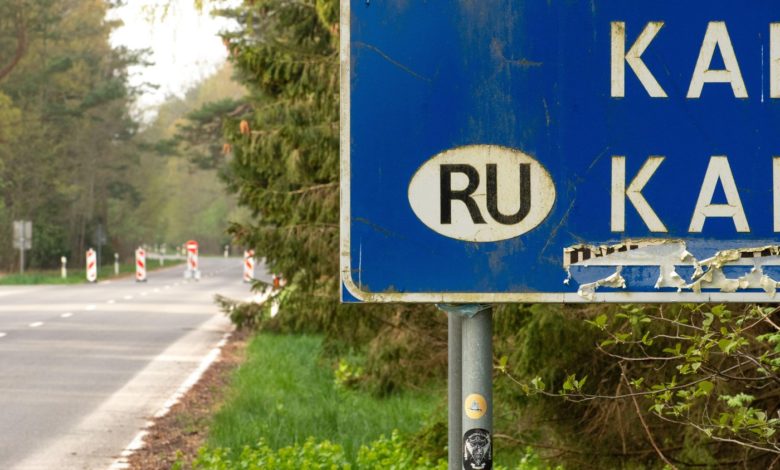
At the border between Lithuania and Russian Exclava Kaliningrad. Photo: Michele Ursi / Alamy / Profimedia
Satellite images show that Russia has expanded and modernized at least five nuclear installations near borders with Europe in recent years, SVT television, citing new images from Planet Labs reported on Monday.
One of the most notable evolutions is registered in Kaliningrad, where the Russian military base, of which there are suspicions in the West that it would house nuclear weapons, has gone through a significant reconstruction, Kyiv Independent and Agerpres write.
The images taken in May 2025 show the addition of a triple fence, new buildings and advanced communications equipment. Polish Foreign Minister, Radoslaw Sikorski, had previously stated that up to 100 tactical nuclear focoa could be stored.
Kaliningrad, a Russian militarized exclaim between Poland and Lithuania, is a major concern for NATO due to its advanced missile systems and expanding nuclear infrastructure.
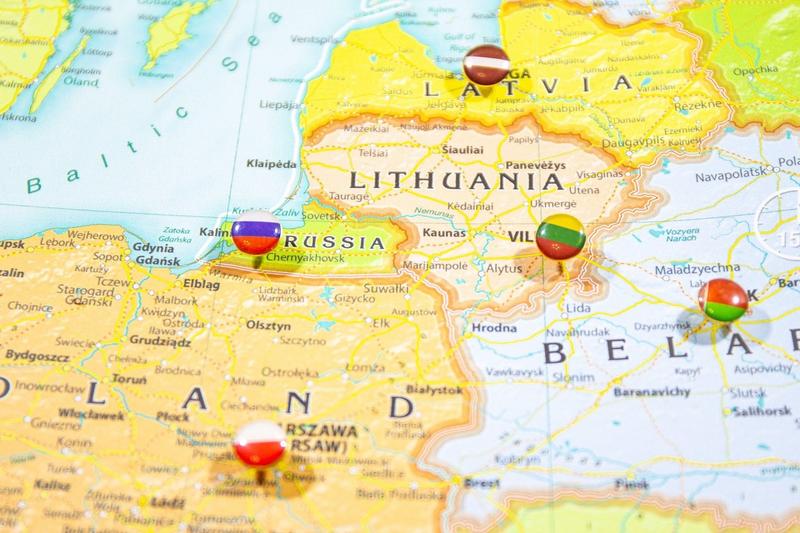
The basis of Osipovici from Belarus, a former Soviet nuclear weapons warehouse, is also under renovation. Satellite images show new anti -aircraft defense facilities and a modernized charging platform for railway logistics.
In Novaia Zemlia, an archipelago removed from the Arctic, a long time associated with nuclear tests from the Soviet period, several new buildings have appeared, strengthening its role of potential place to carry out future test activities.
According to the images, in the Kola Peninsula, near the borders with Finland and Norway, Russia has built about 50 storage bunkers for ballistic missiles that can be launched from submarines and a specialized pier to load these rockets.
In recent years, Russia has modernized at least five of its nuclear bases, one of which is located in Kaliningrad, The Swedish Broadcaster SVT Reported, Citing Planet Labs Satellite Imagery for May 2025. pic.twitter.com/97xsqgj2cs
– Hromadske int. (@Hromadske) June 16, 2025
“We know and follow the situation for a long time”
The Swedish Minister of Defense, Pal Jonson, reacted to the publication of these images, stating that Stockholm “closely monitors” Russia's nuclear capabilities.
“We know about it and we have been following the situation for a long time. We are talking about Russian investments in nuclear capacities and the implementation of its new doctrine,” he noted.
Sweden officially joined NATO in March 2024, after decades of non -alignment, invoking the main reason to escalate the Russian threats.
The Kremlin has repeatedly resorted to nuclear threats to exert pressure on Ukraine and Western countries since the beginning of its large -scale invasion in February 2022, the Ukrainian publication The Kyiv Independent recalls.
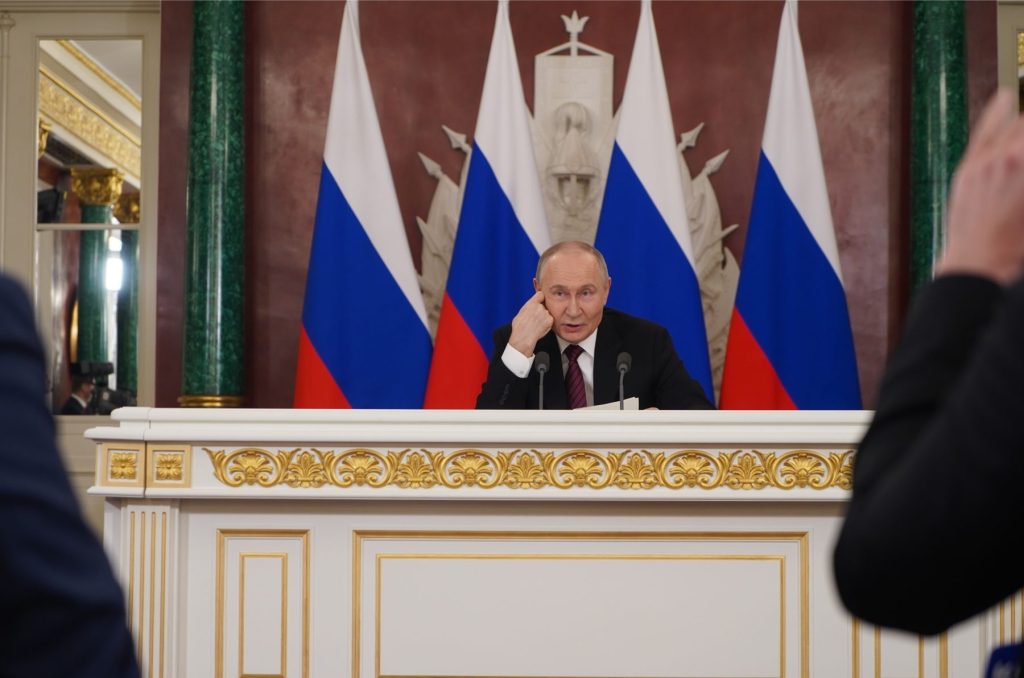
On March 5, 2023, Russian President Vladimir Putin announced his intention to carry out tactical nuclear weapons on the territory of Belarus, claiming that he would be a response to alleged UK plans to provide Ukraine with poor uranium.
On June 14, 2023, President Aleksandr Lukașenko announced that Belarus had begun to receive the first tactical nuclear weapons.
On May 26, 2025, the head of the Ukraine's Foreign Intelligence Service, Oleg Ivașcenko, said that, despite Lukașnko's statements about the conduct of Russian nuclear weapons on his country, so far there are no nuclear focios in Belarus, Liga notes.
In his annual report, Sipri (Stockholm International Peace Research Institute) reports the resumption of the armaments between the nuclear powers.
NATO Secretary General Mark Rutte had previously appreciated that Russia could attack the North Atlantic Alliance in five years.
 “Moscow is already preparing its next move.” Warning of US Ambassador to NATO
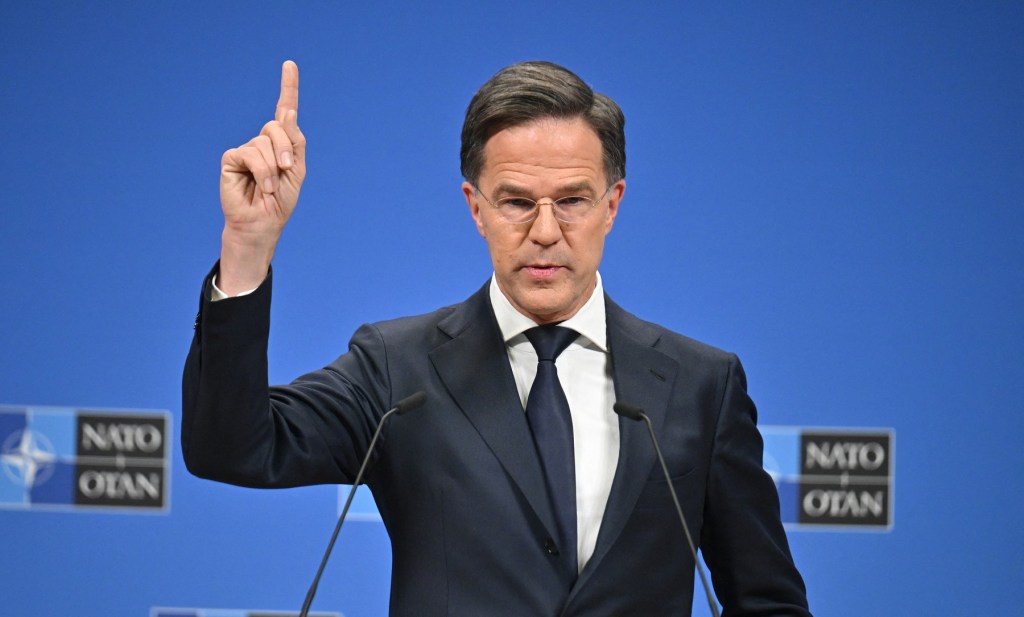 Rutte warns Putin directly: the NATO reaction “will be devastating” in the case of an attack by Russia