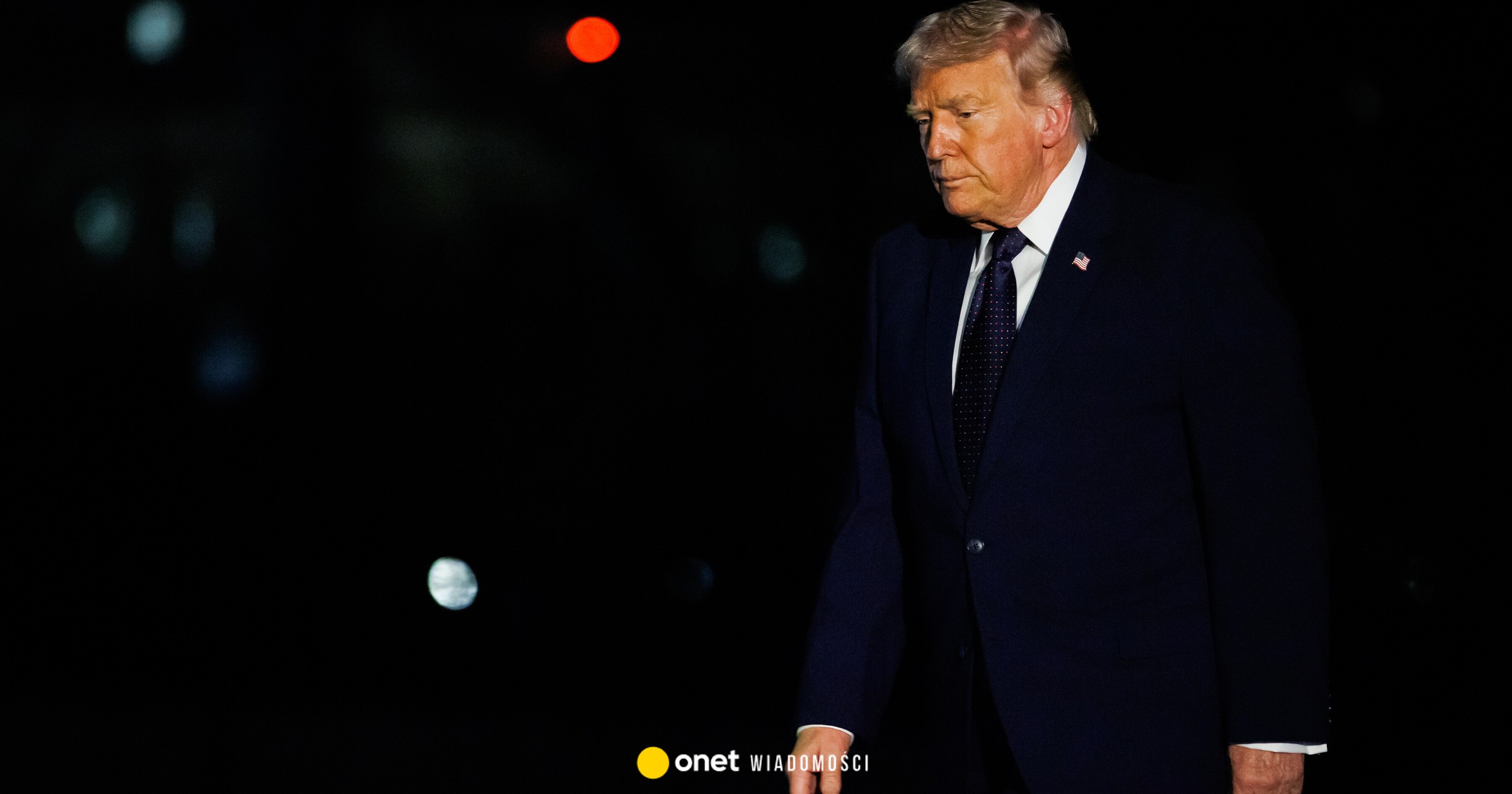
The new US rates, imposed by Donald Trump imports from dozens of countries, radically change commercial relations and give headaches to American consumers. Customs tax specialists have been forced to explain to the latter who pays and who collects taxes.
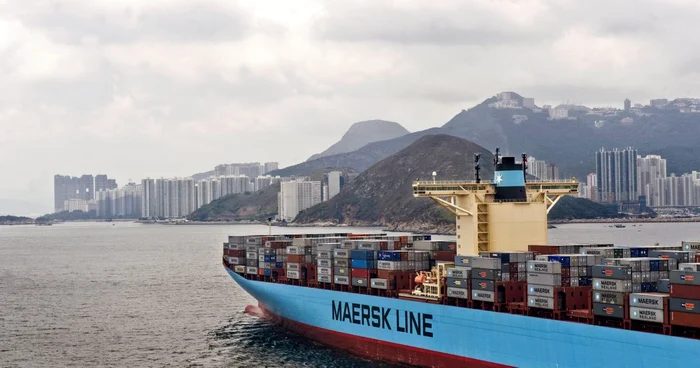
The new US rates radically change commercial relationships. Photo archive
As the radical increases in American tariffs begin to redefine the country's commercial relations, American consumers receive an intensive course on how import taxes work. Bloomberg presented the basic items.
Technically speaking, a tariff, also known as customs duty, is a fee that must be paid for either an import or for an export, but almost always for the first. It usually writes the publication, is calculated as a percentage of the value of a good (as declared during the customs process) and assigned according to the country of origin of the article or the category of good or material.
By an order from July 31, the Trump administration has set a 10% basic tax for almost all goods from almost all US trading partners. Some categories of imports, as well as goods in certain nations, are experiencing substantially higher rates.
Why do the US impose high customs rates
President Donald Trump has taken over the mandate promising to implement customs tariffs on an unmatched scale in recent decades and has long argued that taxes will stimulate domestic production and prevent the US from being “deceived” by other countries.
Although its rates bring billions of dollars to the US government, the long -term economic effects remain unclear. Critics say taxes will increase costs for US consumers and businesses and exacerbate inflation.
Who pays the rates
Despite the president's insistence that the rates are paid by other countries or non-American companies, import taxes are paid either by the importer or by an intermediary, such as a customs agent acting on behalf of the importer. Studies have shown that the burden of tariffs is, finally, diffuse, exporters, importers and consumers all support some of the costs.
How American Tariffs are collected and applied
The secretary of the treasury is responsible for establishing the regulations regarding the collection of customs tariffs, but the customs and border protection service in the US or CBP, is the government body in charge of applying regulations in almost 330 entrance ports from all over the country – which include the border crossing points on the roads or on the railway, The agents check the documents, carry out audits and collect taxes and penalties.
The goods that cross the borders are assigned numerical codes within a standardized nomenclature called “Harmonized International System”. The rates can be attributed to specific product codes, for example, to the chassis of a truck or to wide categories, such as electric vehicles.
If the CBP establishes that the goods have been “transborted” or sent through a country with a favorable tariff rate compared to the country of origin, the respective goods will face a tax of 40% plus the applicable penalties. It is not clear how this determination will be made, although it seems to be discouraging the flow of goods of Chinese origin in the US.
Where the money goes
The money is collected at the time of customs clearance and deposited in the general fund of the Treasury Department. The importers must prove that they have taken “reasonable attention” in the interpretation of the tariff rates and in their application. If Vama finds that an importer has not correctly described the quantity, category or origin of a particular product – either intentional or negligence – it must pay the adjusted tariff and may face penalties.
What happens if an American orders something directly from a foreign exporter
The Trump administration has over the electronic trade industry announcing that packages worth $ 800 or less will no longer enter the duty-free stores, regardless of origin.
The news will probably be a blow to consumers who have reached the cheap goods sold by online markets such as Shein Group Ltd and Temu.
Starting with August 29, packages shipped through commercial carriers such as FedEx, UPS and DHL will no longer qualify for the “de minimis” exemption – named after a Latin term that translates into high lines by “too small to count”.
The goods shipped through a postal system will face temporary fixed taxes between 80 and $ 100, depending on the country of origin, for six months, after which the standard tariffs will be applied.
Trump has imposed rates between 10% and 41% for dozens of countries
Donald Trump signed on July 31, a decree that requires an increase in customs tariffs for dozens of countries around the world. The highest rates are applied to Syria.
The new customs rates vary between 11%and 41%, the highest being applied to Syria, while the European Union (EU), Japan or South Korea will be subjected to a 15%surcharge, a measure aimed at “Restructuring of global trade for the benefit of US employees“According to a statement sent by the White House, according to AFP.
Also, Mexico I granted a 90 -day extension of the deadline for concluding a tariff agreement.
EU rates come into effect on August 7
Rates for 68 countries and the 27 Member States of the European Union will enter into force on August 7 and not from August 1, as initially expected. The extension reflects the need for the Government to have longer to harmonize the tariffs, according to a high official who spoke to the reporters under the condition of anonymity.
The rates were set at 25% for India's exports to the US, 20% for Taiwan and 30% for South Africa, before the deadline of Trump for the conclusion of commercial agreements with countries around the world. Switzerland is facing a 39%rate, and Serbia of 35%.
Separately, the White House announced that Canadian imports will be subjected to 35% rates, not 25% as they are today. This growth applies only to products that do not transit within the North American exchange agreement. “Canada could not cooperate to reduce the flow of fentanil and other drugsI “entering the United States, indicated the White House.
Some of the poorest countries in the world have been affected by the new rates, including Syria, who are facing 41%rates; Laos and Myanmar – 40%; Libya – 30%; Iraq, with 35%, and Sri Lanka, with 20%.
Trump said the new rates are going “very well”. In an interview with NBC News, he added that it is “too late” for countries mentioned in Thursday to avoid tariffs, but that it is open to offers.
“This does not mean that someone will not come in four weeks and say we can reach some kind of agreement“He said, according to The Guardian.
Also, the spokesman for the White House, Karoline Leavitt, said that countries who have not received a preliminary letter on Trump tariffs or have not negotiated a commercial framework will be notified of probable rates, either in the form of a letter or an executive order of Trump.
Some of the listed countries have concluded agreements to reduce tariffs, such as Pakistan, who face 19%taxes, while others did not have the opportunity to negotiate with the Trump administration.
Countries not listed in the order will be subjected to a 10%basic tariff, the administration said.
China is facing a separate term for its higher rates, established for August 12, with an extension of the armistice agreed in principle, but which must still be approved by the White House.