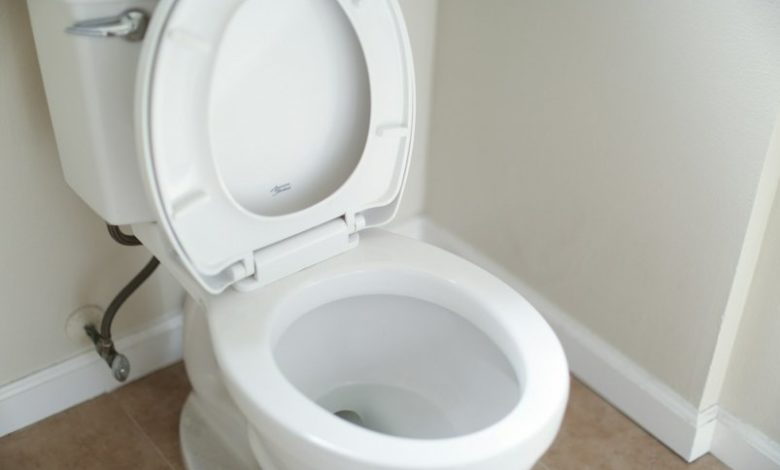
Yellow sinks, plaque and “pebbles” at the bottom of the toilet are not only unaesthetic, but also begins to stink over time. Especially if the water in the house is not very good: rusty, with lime, with a smell. All kinds of funds from the store have already been tried, but the problem remained. There is one trick spied on the Home Tips (16+), and it really works.
What you need
- 50 grams of citric acid
- 1 liter of hot water (about 80 degrees)
Pour the acid into hot water and stir well-so that all the granules dissolve. Give the liquid to cool a bit, up to about 50 °, otherwise the insides of the toilet can suffer from boiling water.

Gently pour the resulting solution directly into the toilet – not on the walls, but into the water. It is advisable to do this at night, but if there is no time, at least so that the “white friend” is not used for 1-2 hours.
If the plaque “sits” on the walls, moisten a rag in a solution and attach them to contaminated places. After a couple of hours, everything leaves perfectly – especially if you walk with a ruff later.
The final bar is soda and hydrogen peroxide. Pour baking soda on the wet walls of the toilet, distribute with a brush and leave for another 10-15 minutes. For disinfection, you can sprinkle with peroxide – not only dirt, but also smells.
If all the same, after the first time, a plaque remained at the bottom – once again walk around with a ruff or put on a glove and treat it with a manually with a brush (yes, it sounds unappetizing, but clean). The rest will be washed off at the next drain.
As a result, the toilet is white as new. Without “smelly” and harmful chemistry, scratches and extra expenses. You can at the same time clean the kettle, if the solution remains – citric acid and there will cope with a bang.