2025-06-23 07:36
publication
2025-06-23 07:36
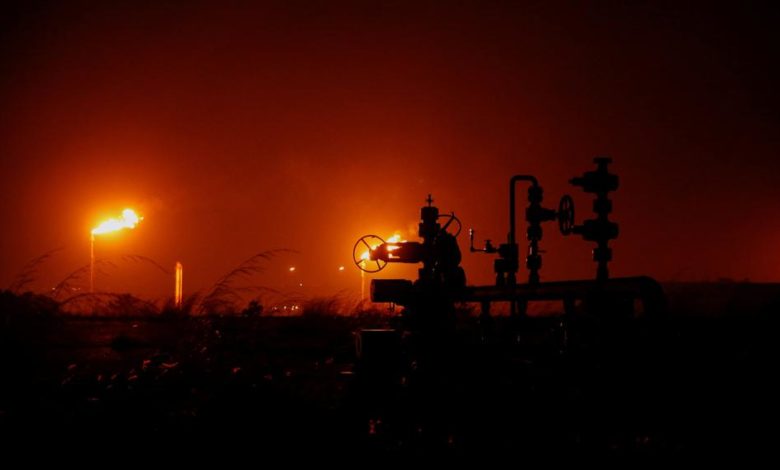
Oil prices on the Fuel Exchange in New York are rising in response to the US attack on Iranian nuclear facilities. There is a moderate fever in the Middle East, and in the oil markets – the brokers inform.
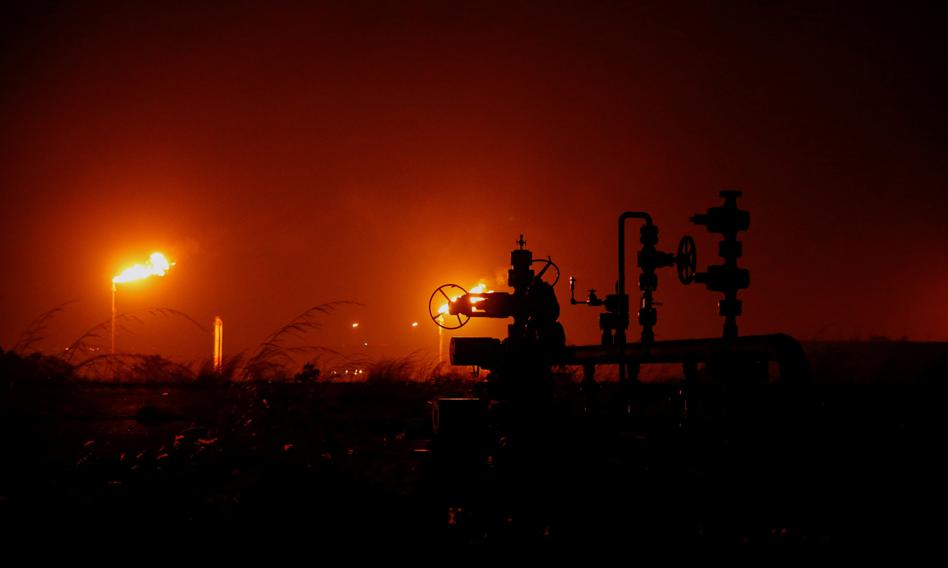
A barrel of West Texas Intermediate oil in VII supplies costs 74.71 USD at Nymex in New York, above 1.18 percent.
Brent on ICE on VIII is valued at 77.90 USD for a barrel, up to 1.16 percent. and increased earlier by almost 6 percent.
On the night of Saturday to Sunday, the US was attacked by three Iranian uranium enrichment plants in Ford, Natanz and Isfahanie.
The United States has been joined by the Israeli offensive against Iran, whose declared goal is to destroy the atomic program of this country.
US Minister Pete HegeSth then announced that the Iranian nuclear program was destroyed.
During the Sunday conversation with the President of France Emmanuel Macron, the President of Iran Masud Pezeszkian announced a response to the US attacks on nuclear facilities in his country.
The spokesman for the Ministry of Foreign Affairs Iran Esmaeil Baqaei, in turn, stated that Tehran is ready to defend himself with all available means.
Markets' attention is particularly focused on possible disturbances in the supply of crude oil through the Strait of Ormuz, the main thoroughfare for the transport of oil and natural gas.
Above the exchanges of pregnancy, the specter of a rapid increase in energy prices.
While the Minister of Foreign Affairs Iran Araghchi said that his country reserves all options for responding to the US attack on its nuclear objects, there are no signs of actual disturbance of the physical flow of oil.
Iran has the ability to carry out a sensible retaliation by attacking individual tankers and ports, and the perspectives of oil transport in the Strait of ORMUZ are far from the script of “total closure” – say RBC Capital Markets analysts.
“The Iranian army may sink tankers or cause serious damage at the port of Fudżajra,” says Dr. Helima Croft, the main strategist of freight markets at RBC Capital Markets.
“In the current situation, Iran does not have to carry out any complicated operations to force oil companies to avoid the Strait of the Ormuz” – he adds.
If the Iranian authorities recognize that their survival is at risk, they can put pressure on all other allied groups in Iraq and Yemen to help, and this increases the risk of attacks on energy infrastructure.
“It may take a few days or even weeks before we see the Iranian response to the unprecedented US attack” – indicates the RBC analyst and warns against the reflex statement that: “the worst is behind us at this stage.”
(PAP Biznes)
AJ/ ASA/