Inscop survey: over 40% of Romanians, worried about the possibility of a conflict/war in which Romania is involved


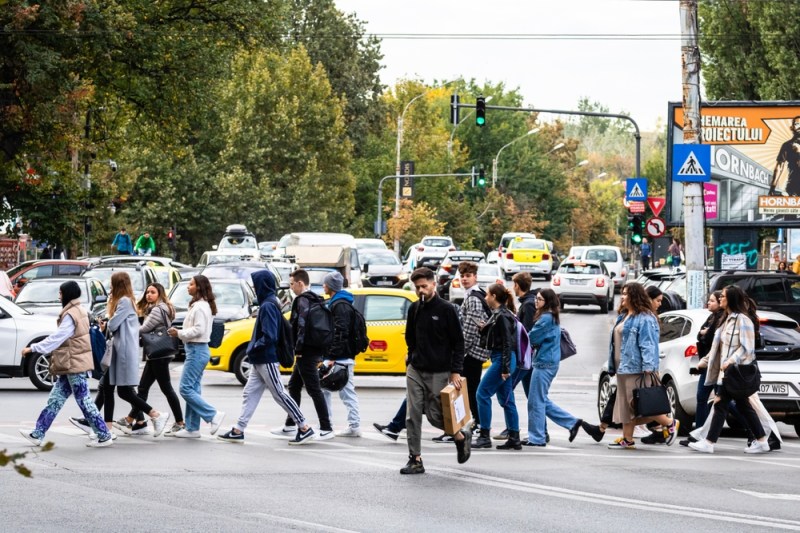
Young people on a street in Romania. Photo: Vlad Ispas / Shutterstock
The possibility of a conflict/war in which Romania is involved is by far the most important source of concern for almost 42% of Romanians, a barometer inform.ro-Inscop Research made between 26-30 May 2025at the command of the news platform informa.ro.
41.7% of Romanians are worried about the possibility of such conflict/war.
They are worried about the possibility of a conflict/war in which Romania will be involved in PSD voters and gold in higher proportions than PNL and USR voters, women in higher proportions than men, people over 60 years older than 18-29-year-olds, state employees in significantly higher proportions than private employees.
The following problems that worry about the Romanians are:
- Worsening health status (15%)
- Price rise (14.9%)
- Decreased fundamental rights and freedoms (9.2%)
- Decreased income (8.2%)
- Losing job (5.4%)
- Environmental damage (1.6%)
- Other issues (2.4%)
- I do not know/do not answer (1.6%).
“Most of the Romanians (almost 42%) are worried about the possibility of a conflict/war in which Romania is involved, which represents a percentage of almost three times higher than the following sources of concern, namely the worsening of the health (15%), respectively the increase of the prices (almost 15%). Such perceptions. High, and a strong majority supports the increase of expenses for the endowment of the Romanian Army, as the previous Inscop researches were surprised, ”says Remus Stefureac, the director of Inscop Research.
Barometer Informa.ro-Inscop Research is a monthly opinion poll conducted by Inscop Research at the command of the news platform informa.ro, in partnership with the Thinking Group strategic think.
The data were collected on May 26-30, 2025, the research method being an interview through the questionnaire. The data were collected by the CATI method (telephone interviews), on a sample of 1,150 people, representative on the significant socio-demographic categories (sex, age, occupation) for the non-institutionalized population, aged 18 years and over. The maximum admitted error of the data is ± 2.9%, to a degree of 95%.