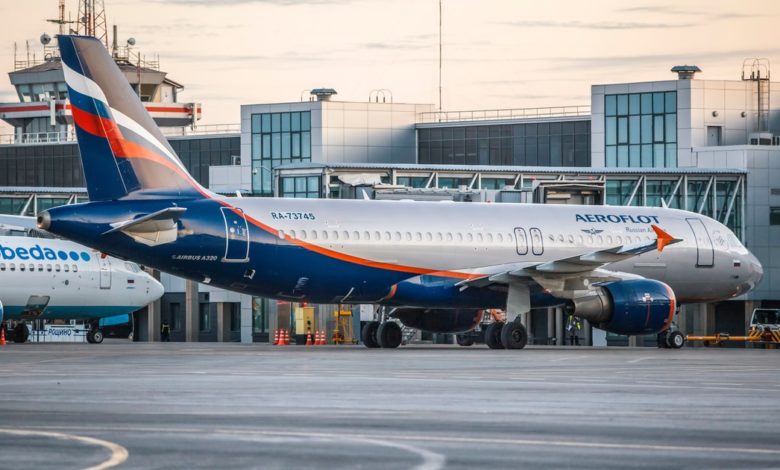
According to the American Trade Department, from January to April 2025, Russian citizens were issued 26,935 visas for a trip to the USA, i.e. by 10.1 percent more than in the same period in 2024. Of these, 3345 are business visas (an increase of 15 %), 21,469 are tourist visas (an increase of 11.2 percent), and 2121 are student visas, which is a 5.3 percent decrease. compared to the previous year.
The number of Russians arriving in the US at the beginning of 2025 set a record of all time, notes Robin Brooks, an older employee of the Brookings Institution. According to him, the trips of Russian tourists to the USA They fell violently in the months preceding Russia's invasion of Ukraine, but then they only grew.
23,801 Russians arrived by air (an increase of 12.1 percent), 794 arrived by ship (an increase of 53.3 %), and 2340 Russians crossed the limit by land, which is a decrease of 13.8 percent. compared to last year. Most Russians traveling to the USA were in the age group from 35 to 44 years old – 2 59. Russians from 55 to 64 years (1375 people) came second.
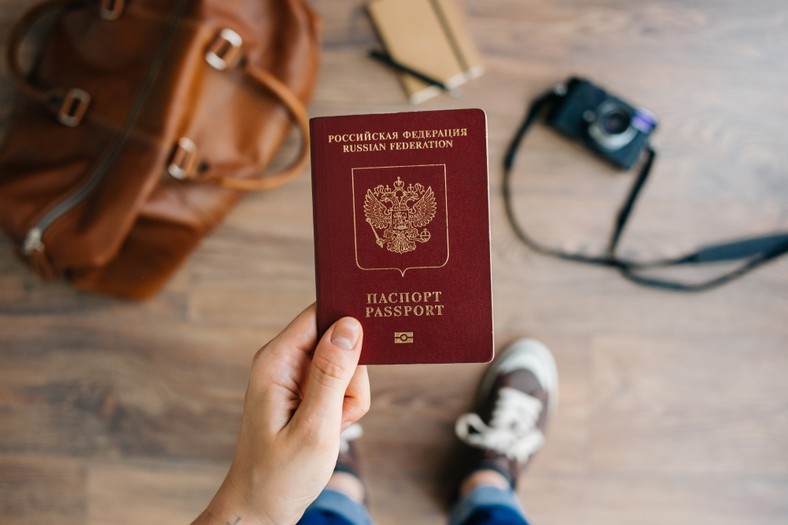
Russian passport. Illustrative photo
Data on the increase in tourist traffic also reflect the mood in Russia. For the first time in 13 years, the Russians They stopped considering the United States as the greatest enemy of their country. According to the Lewada center survey, in May 2025 40 percent respondents recognized the United States as one of the “most hostile” countries in the world. The percentage of such answers dropped by almost half in a year (by 36 %).
Currently, according to the Russians, the most “hostile” country for Russia is Germany: They were indicated by 56 percent respondents, although in the pre -war years there were only 16 percent.and in the previous decade – only about 5 percent Second place with a result of 49 percent Great Britain took, and the third to Ukraine – 43 percent During the three years of war, the number of those who consider Ukraine as an “enemy” increased by 13 percent, but remains lower than in 2015-18: then this share reached 50 percent.